
Last updated September 23, 2026
Seasonal Insulation Care for Buena Park: Year-Round Homeowner’s Guide
The Santa Ana wind season is the most underrated insulation event in Southern California. When those sustained 40-60 mph pressure differentials hit Buena Park from October through November, they expose every unsealed bypass in your attic that sits dormant the rest of the year. We’ve crawled through attics in the Artesia Pilar neighborhood where insulation looked fine in July but had been wind-washed into useless clumps by December. This guide maps Buena Park’s four distinct insulation stress events - June marine layer, August heat dome, October-November Santa Ana winds, and February condensation risk - to the specific failure mechanism each one triggers, then gives you a month-by-month action calendar with checks you can actually observe and measure. For a deeper dive into each season’s impact, see our Complete Guide to Insulation in Buena Park.
Quick Answer
Seasonal insulation care in Buena Park means preparing for four climate stress events, not traditional seasons: sealing against wind-washing before Santa Ana season, verifying radiant barrier performance after August heat domes, checking soffit baffles for February condensation, and monitoring attic humidity during June’s marine layer. Most homeowners in Buena Park should inspect attic insulation twice yearly - once in late October before Santa Ana winds and once in late March after the condensation season - with a specific temperature differential check at 2 p.m. on a clear August day to verify thermal barrier performance. Download our Attic Insulation Maintenance Checklist for Buena Park Homeowners to track these inspections.
Table of Contents
- The Four Insulation Stress Events in Buena Park
- What Is Wind-Washing and How Santa Ana Winds Cause It
- Month-by-Month Insulation Action Calendar
- The Post-Summer Check Most Homeowners Skip
- February Condensation Risk in Buena Park’s Mild Winters
- Which Materials Hold Up Best Across Buena Park’s Climate
- Common Mistakes to Avoid
- When to Call a Professional
- Frequently Asked Questions
- The Bottom Line
The Four Insulation Stress Events in Buena Park
Buena Park doesn’t freeze. It doesn’t humidify like Houston. But it does subject your building envelope to four distinct stress patterns that degrade insulation in predictable ways. Understanding which failure mode matches which season is the difference between replacing insulation every eight years and getting the full 20-30 year lifespan the manufacturer intended.
June Marine Layer: Attic Humidity Cycling
When the marine layer pushes inland from the coast - typically 10-15 mornings each June - it brings cool, saturated air that settles into vented attics across the La Palma and Los Coyotes Country Club areas. The problem isn’t the moisture itself; it’s the daily temperature swing. Attic air that starts at 62°F and 85% relative humidity at 7 a.m. can hit 110°F and drop to 30% relative humidity by 3 p.m. That cycle flexes the insulation matrix, particularly in fiberglass batts, and degrades the binder that holds blown-in fibers together. We’ve removed 12-year-old fiberglass in Buena Park attics where the binder had turned to dust, leaving a pile of loose fibers with no structural integrity.
The specific check: on a June morning when you can see the marine layer from your driveway, go into your attic at 9 a.m. and again at 4 p.m. with a humidity meter. If you’re seeing swings above 40 percentage points in relative humidity across a single day, your ventilation balance is off.
August Heat Dome: Radiant Gain and Thermal Barrier Failure
Buena Park sits far enough inland to catch the full force of the Southwest’s August thermal ridge. Roof deck temperatures in the Beach Boulevard corridor regularly hit 165°F. The insulation’s job isn’t to stop this heat; it’s to slow it enough that your conditioned space stays stable. When the thermal barrier degrades - compressed insulation, gaps at the eaves, or failed radiant barrier - the cooling load spikes in late afternoon, precisely when grid demand is highest.
The failure mechanism here is compression and settlement. Blown-in cellulose in Buena Park attics settles 10-15% in the first two years, then continues at 1-2% annually. By year eight, what started as R-38 is performing closer to R-30. In August, you feel this as rooms that won’t cool below 78°F until after 7 p.m.
October-November Santa Ana Winds: Wind-Washing
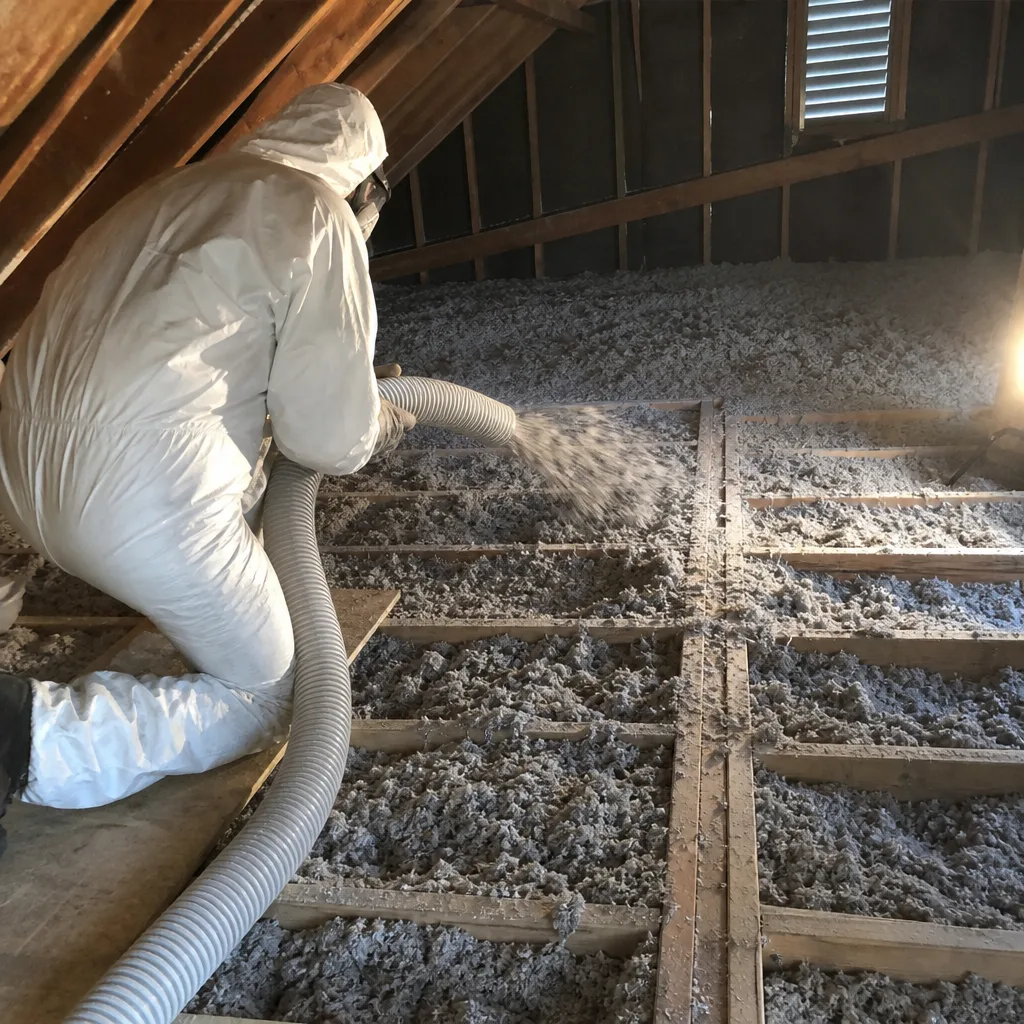
This is the event that separates functional insulation from compromised insulation in Buena Park. Santa Ana winds create sustained pressure differentials across your building envelope - typically 20-40 pascals, with gusts that can spike much higher. Any air path from soffit to ridge vent becomes a wind tunnel. Loose-fill insulation gets pushed away from eaves, creating bare strips where heat escapes in winter and enters in summer. Batt insulation lifts at the edges. The effective R-value drops by 30-50% in the affected zones.
We’ve documented this repeatedly. In a 2019 job on Western Avenue, the blower-door test - a pressurization reading that shows, in one number, how much air your building envelope is losing - read 3,800 CFM50 before we started. After sealing top plates, can lights, and duct chases, then re-distributing wind-washed insulation, the reading dropped to 1,900 CFM50. The homeowner’s PG&E bill dropped 23% the following winter. That’s the Santa Ana effect quantified.
February: Condensation at Soffit Baffles
Buena Park’s February nights dip into the low 40s. Daytime highs hit the upper 60s. That 25-degree daily swing creates a specific problem at soffit baffles - the vents that allow intake air into your attic. When warm, slightly moist interior air leaks through ceiling penetrations and hits the cold baffle surface, it condenses. The water doesn’t pour; it wicks into adjacent insulation. Over three to four Februarys, this creates localized compression and mold staining that most homeowners never see because it’s buried at the eave line.
The neighborhoods near the Ralph B. Clark Regional Park see this more acutely because the slightly lower nighttime temperatures there - often 3-5 degrees cooler than the Beach Boulevard corridor - push more air through the thermal envelope as the stack effect intensifies.
What Is Wind-Washing and How Santa Ana Winds Cause It
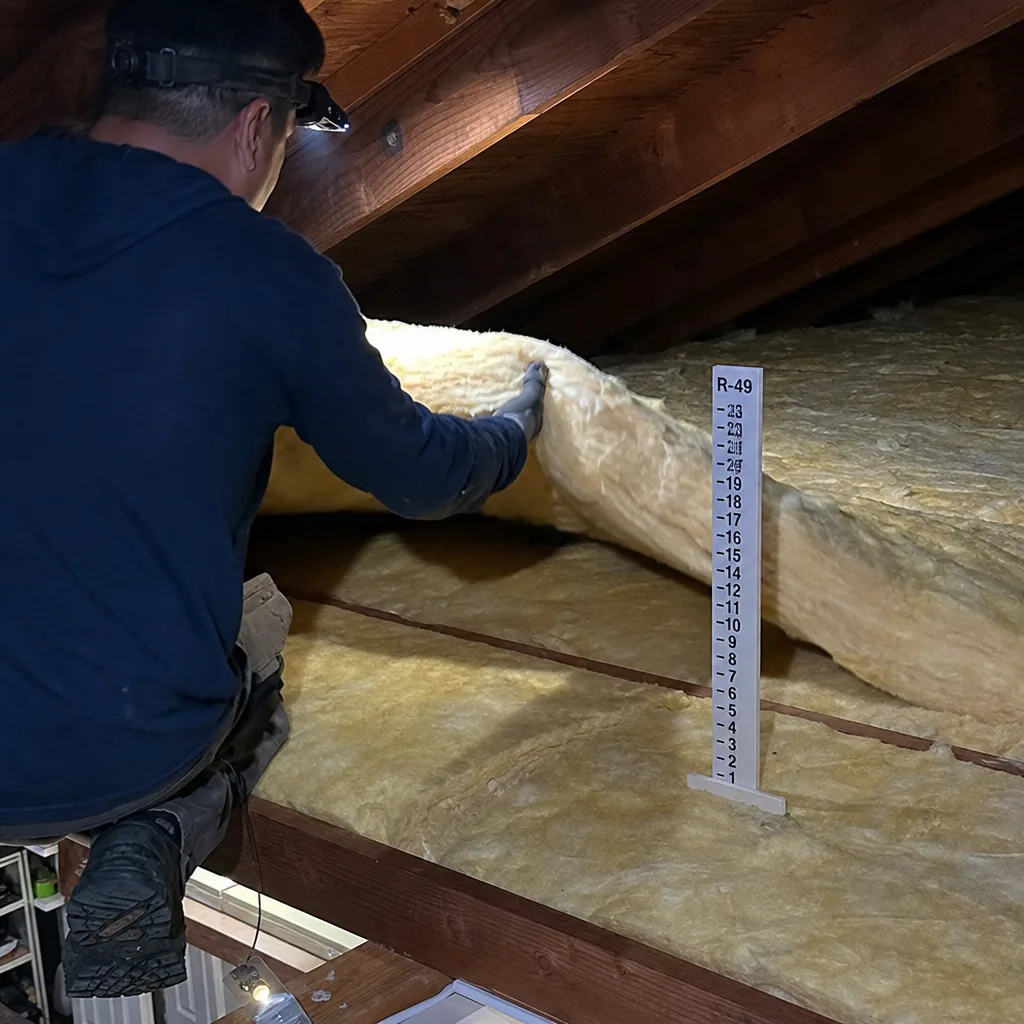
Wind-washing is the process by which air movement through insulation reduces its effective R-value. The mechanism is straightforward: insulation works by trapping still air in small pockets. When wind forces through those pockets, it replaces the trapped air with new air, carrying heat with it. The insulation hasn’t disappeared; it’s just stopped insulating.
In Buena Park, Santa Ana winds create the perfect conditions for wind-washing because they’re sustained, not gusty. A 20-minute thunderstorm gust might shift loose-fill slightly. Six hours of 45 mph Santa Ana wind with a pressure differential across your attic will redistribute it entirely in some zones.
How to Identify Wind-Washing After a Wind Event
- Wait 48 hours after the wind event ends - you want to see where insulation settled, not where it was mid-storm.
- Enter your attic during daylight with a flashlight. Look for bare spots at the eaves, particularly within 3 feet of the exterior wall plate. This is where wind enters through soffit vents and scours the insulation surface.
- Check for “drifts” - piles of loose-fill insulation against vertical obstructions like duct chases, chimney framing, or the attic access hatch. This is insulation that was pushed and deposited, like snow against a fence.
- Lift any batt insulation at the eaves. If the subfloor beneath is visible or the batt is no longer in contact with the drywall below, wind has lifted it.
- Look for discolored insulation - gray or dark streaks in fiberglass, or darkening in cellulose. This is filtered dust from air moving through the material, and it’s a definitive sign of wind-washing.
The fix isn’t adding more insulation. It’s sealing the air paths first, then redistributing or replacing what was moved. At Topside Attic Insulation Buena Park home, we seal top plates, electrical penetrations, can light housings, and duct chases before we add or redistribute any insulation. Sealed first, then insulated - in that order. We won’t blow insulation over an unsealed attic floor; the Haven Standard doesn’t allow it.
Month-by-Month Insulation Action Calendar
This calendar is built for Buena Park’s actual climate, not a four-season template from the Midwest. Each action is observable and specific. For more guides & resources tailored to Southern California homeowners, explore our blog.
January: Post-Holiday Electrical Check
After December’s increased electrical load, check your attic for heat sources that compromise insulation. Recessed can lights, particularly older non-IC rated housings, create hot spots that degrade adjacent fiberglass. Look for yellowing or brittle insulation within 6 inches of light housings. If you find it, those lights need air-sealing covers before you add or replace insulation.
February: Soffit Baffle Condensation Inspection
On the coldest morning of the month - typically the third week in Buena Park - enter your attic at dawn with a flashlight. Examine the soffit baffles where they meet the insulation. Look for:
- Dark streaks or staining on the baffle plastic or cardboard
- Insulation that feels damp or clumped rather than fluffy
- Frost on nail points or exposed framing near the eave
Any of these indicates warm interior air is leaking through ceiling penetrations and condensing on cold surfaces. The fix is air sealing at the ceiling plane, not adding ventilation.
March: Post-Condensation Assessment
After February’s condensation risk passes, do a full attic walk. This is your second annual comprehensive check. Look for compressed insulation at the eaves, any mold staining that appeared over winter, and verify that your soffit vents remain unobstructed by insulation or debris. In Buena Park’s older neighborhoods near Knott’s Berry Farm, we’ve found original soffit vents painted shut decades ago - no airflow at all.
April-May: Pre-Summer Preparation
These are the months to address any issues found in your February and March checks. If you need insulation added, air sealing performed, or ventilation corrected, doing it before June’s marine layer means your attic is prepared for the humidity cycling ahead. This is also when we schedule most of our Attic Insulation in Buena Park work - homeowners who checked in February and want the work done before summer.
June: Marine Layer Humidity Monitoring
On three separate marine layer mornings, record attic humidity at 9 a.m. and 4 p.m. You’re looking for the swing pattern described earlier. If your swings exceed 40 percentage points consistently, your ventilation is unbalanced - likely too much exhaust venting relative to intake, or blocked soffit vents creating pressure differentials that pull conditioned air upward.
July: Radiant Barrier Verification
If you have a radiant barrier - the reflective foil or paint applied to roof decking - July is when degradation becomes visible. Look for:
- Oxidation: the reflective surface turning dull or chalky
- Dust accumulation that won’t wipe clean - this indicates the reflective coating has degraded
- Gaps where the barrier has pulled away from fasteners or decking seams
A degraded radiant barrier in Buena Park’s August heat dome adds 5-10°F to your attic temperature compared to a functional one. That’s the difference between your ducts sweating and not.
August: The Critical Temperature Differential Check
See the dedicated section below. This is the single most important check of the year.
September: Post-Heat Dome Damage Survey
After the worst heat has passed, check for insulation that has compressed or settled under sustained thermal load. Cellulose is particularly susceptible; we’ve measured 15% additional settlement in Buena Park attics after extreme August heat events. Look for thin spots, particularly near the ridge where heat concentrates.
October: Pre-Santa Ana Sealing Blitz
This is your first annual comprehensive check, and the most urgent. Before Santa Ana winds arrive - typically mid-October but sometimes as early as the first week - verify:
- All attic bypasses are sealed: top plates, wire penetrations, plumbing stacks, duct chases, chimney framing gaps
- Insulation is evenly distributed with no bare spots at eaves
- Soffit baffles are intact and properly positioned to block wind from entering the insulation layer
- The attic access hatch has weatherstripping and insulation on the back side
November: Post-Santa Ana Wind-Washing Check
After the first significant Santa Ana event - typically one sustained period of 35+ mph winds - perform the wind-washing identification protocol described in the previous section. Address any redistribution before winter heating season begins.
December: Heating Season Baseline
Record your thermostat settings and gas usage for the month. This becomes your baseline for comparing next year’s performance. If you’ve done the October sealing work correctly, you should see measurable improvement over previous Decembers.
The Post-Summer Check Most Homeowners Skip
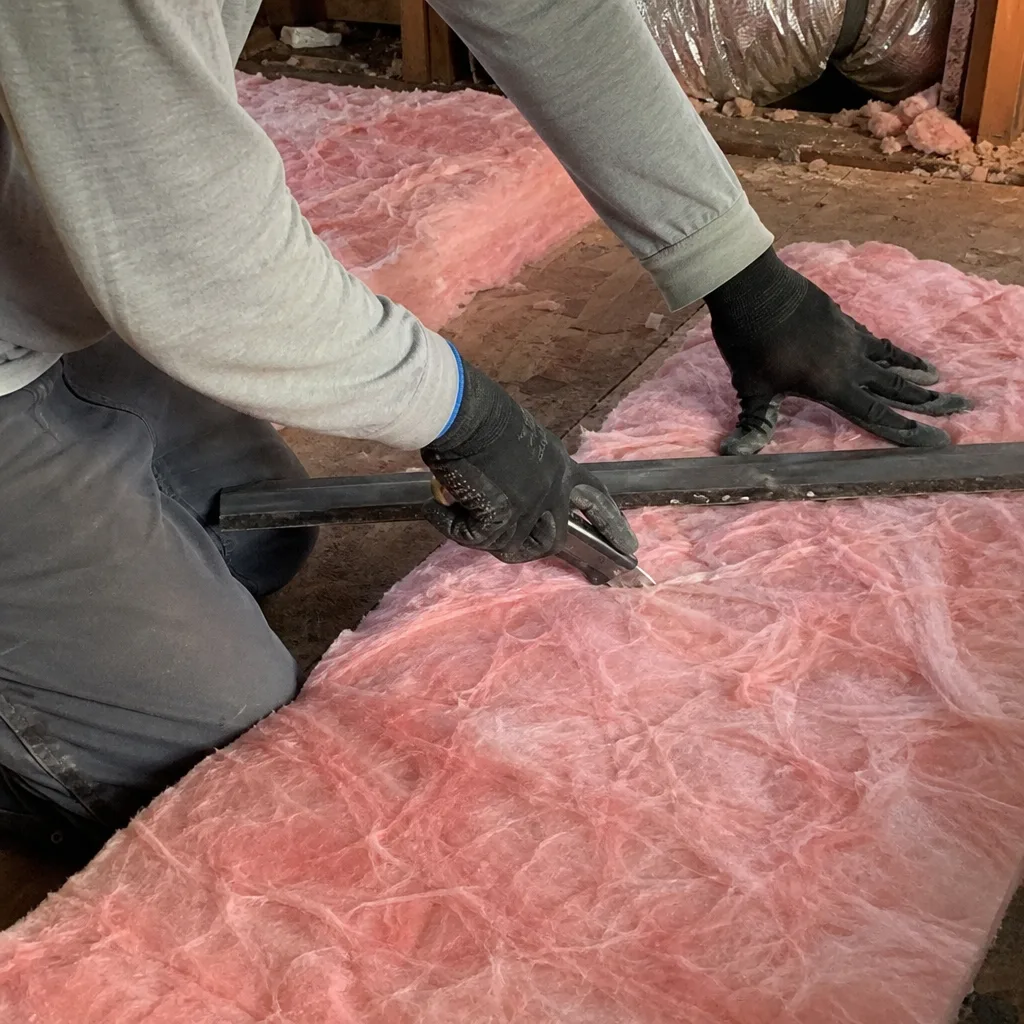
At 2 p.m. on a clear August day, your attic should be hot - but how hot, relative to outside, tells you whether your thermal barrier is performing. This is the temperature differential check, and it’s the single best proxy for insulation effectiveness that doesn’t require professional equipment.
How to Perform the Check
- Pick a day with clear skies, no marine layer, and outside temperature above 85°F. Mid-August is ideal in Buena Park.
- At 1:45 p.m., place one thermometer in your attic at the ridge - the highest point, near the roof deck but not touching it. A simple digital thermometer with a remote probe works fine.
- Place a second thermometer in a shaded spot outside - under a covered patio, not in direct sun.
- At 2:00 p.m., record both readings simultaneously.
- Calculate the difference: attic temperature minus outside temperature.
What the Numbers Mean
- Less than 25°F differential: Your insulation and ventilation are performing well. The thermal barrier is blocking most radiant gain.
- 25-40°F differential: Marginal performance. Some degradation has occurred - likely compression, gaps, or radiant barrier failure. Plan for inspection and possible remediation.
- More than 40°F differential: Significant thermal barrier failure. Your insulation is not performing to specification, and your cooling system is working harder than necessary. This warrants professional assessment.
We’ve performed this check with homeowners across Buena Park. In a 2022 job near the intersection of Beach Boulevard and La Palma Avenue, the homeowner recorded a 52°F differential - attic at 147°F, outside at 95°F. Our blower-door test revealed extensive bypasses around a remodeled kitchen’s soffit. After sealing and adding Rockwool batts at the critical zones, the following August’s differential dropped to 28°F. The homeowner’s August electricity bill dropped 18%.
The beauty of this check is its simplicity and repeatability. Do it annually, record the results, and you have a longitudinal performance record that no contractor can dispute.
February Condensation Risk in Buena Park’s Mild Winters
Buena Park doesn’t have a cold-climate condensation problem. It has a specific, localized condensation problem that most insulation guides miss entirely because they’re written for Minnesota or Maine.
The mechanism: on February nights, when outside temperature drops to 42-45°F and your ceiling temperature at the eave line sits around 55°F (due to heat loss through the wall top plate), the soffit baffle becomes a cold surface. Warm interior air - even slightly moist air at 35% relative humidity - leaks through ceiling penetrations and hits this cold surface. The dew point is reached. Condensation forms.
In cold climates, the solution is a vapor barrier on the warm side of the insulation. In Buena Park, that approach creates more problems than it solves - a vapor barrier in our climate traps summer moisture in wall cavities. The correct solution is air sealing at the ceiling plane, combined with proper soffit ventilation that keeps the baffle surface from becoming a cold sink.
Specific February Checks
- On a February morning when outside temperature is below 45°F, enter your attic and touch the soffit baffles. They should feel cool, not wet. Any moisture indicates air leakage.
- Check for “ghosting” on your ceiling drywall - dark streaks that follow framing members. This is dust accumulation where air is moving through the ceiling, and it predicts condensation problems.
- Look for nail pops or joint tape failure at exterior walls in rooms below the attic. This is moisture cycling in the drywall, caused by air leakage and condensation at the top plate.
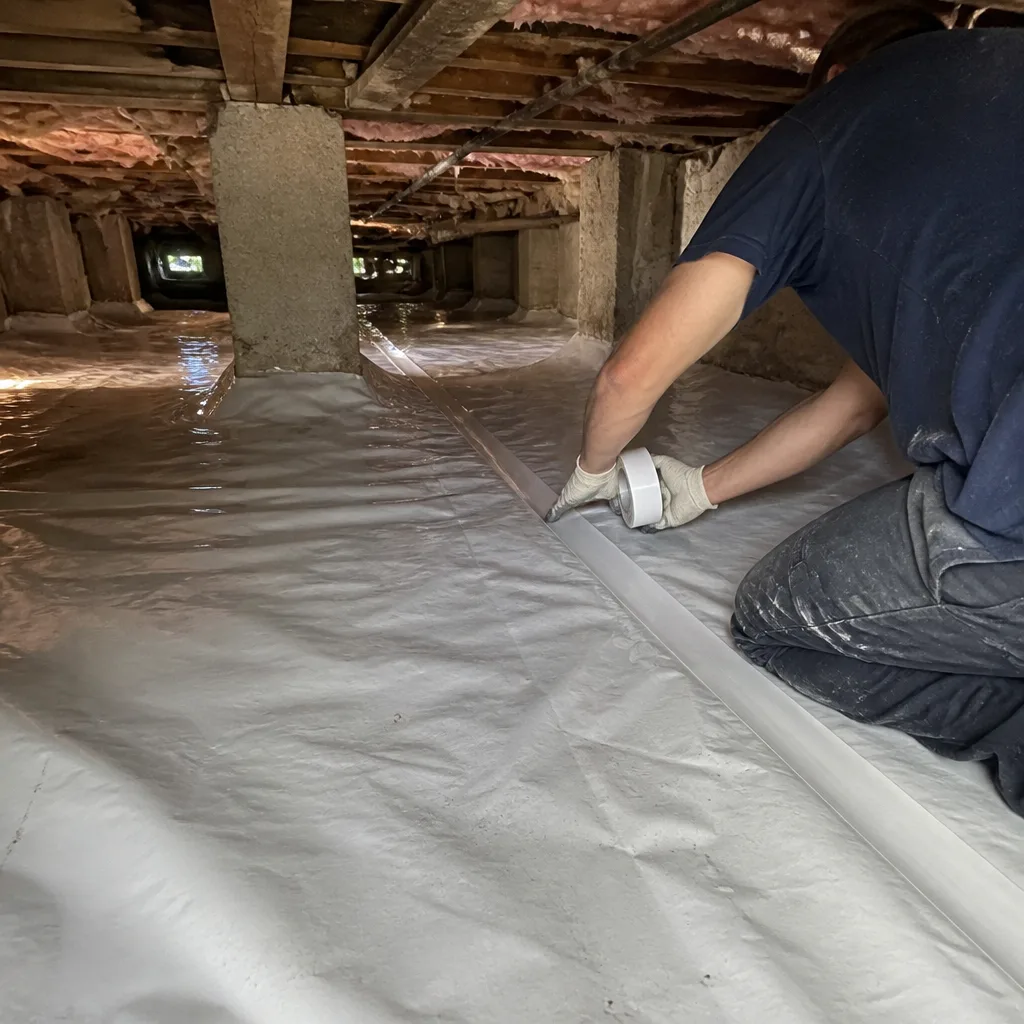
The fix is never adding a vapor barrier. It’s sealing the leaks with caulk, foam, or gasketed covers, depending on the penetration type. At Crawl Space Encapsulation & Vapor Barrier in Buena Park, we use vapor barriers where they belong - in crawl spaces, not in attic assemblies - and focus on air sealing for the condensation issue.
Which Materials Hold Up Best Across Buena Park’s Climate
Not all insulation materials respond equally to Buena Park’s four stress events. The material that performs beautifully in Phoenix may fail in our marine layer humidity. The material specified for Seattle’s constant moisture may degrade in our August heat dome. Here’s how the common options perform specifically in Buena Park’s conditions.
Spray Foam: Best for Air Sealing, Vulnerable to UV
Closed-cell spray foam - products like Icynene and Demilec - provides the highest R-value per inch and functions as its own air barrier. In Buena Park attics, it’s particularly effective at the eave line where wind-washing is most destructive, because it adheres to the substrate and can’t be moved. The vulnerability is UV degradation: any exposed foam surface in a vented attic will yellow and powder within 3-5 years. Proper installation means covering all foam with a thermal barrier - typically 1/2″ gypsum - or using it only in enclosed assemblies.
We specify Spray Foam Insulation in Buena Park primarily for conditioned attics, crawl space rim joists, and wall cavities where it’s fully enclosed. In vented attics, we prefer a hybrid approach: spray foam at the critical air sealing points, then blown-in or batt insulation over the top for cost efficiency.
Mineral Wool (Rockwool): Best All-Around for Buena Park
Rockwool - spun from basalt rock and recycled steel slag - has properties that match our climate perfectly. It’s hydrophobic: it won’t absorb the marine layer humidity or February condensation, so it doesn’t degrade from moisture cycling. It’s dense enough to resist wind-washing from Santa Ana winds. And it maintains its R-value at temperatures up to 1,000°F, so August roof deck heat doesn’t phase it.
The tradeoff is weight and cost. Rockwool batts are heavier than fiberglass, which makes installation more labor-intensive. For a typical Buena Park attic, expect material costs 20-30% above fiberglass. We use it frequently in the Los Coyotes Country Club area, where homeowners plan to stay long enough to recover the premium through extended material lifespan.
Fiberglass: Cost-Effective, Requires Perfect Installation
Fiberglass remains the most common insulation in Buena Park because it’s affordable and familiar. But it’s also the most sensitive to our climate stressors. The binder that holds blown-in fiberglass together degrades from humidity cycling. Batts are easily lifted by wind-washing. And compression - from storage, from foot traffic during installation, from thermal cycling - permanently reduces R-value.
Fiberglass works in Buena Park when installation is meticulous: fully sealed attic floor before installation, proper depth without compression, and protected soffit baffles that prevent wind access. We use CertainTeed fiberglass products when the budget requires it, with the explicit understanding that the air sealing work is non-negotiable.
Cellulose: Good Performance, Settlement Monitoring Required
Cellulose - recycled paper treated with borate fire retardant - performs well thermally and is the most environmentally responsible option. In Buena Park, its primary weakness is settlement. The 10-15% initial settlement means your R-38 install performs at R-32-34 immediately, then continues declining. We recommend cellulose for homeowners who commit to a 5-year inspection and top-off cycle, or who install it at higher initial depth to compensate.
The borate treatment also provides mold resistance, which matters in our marine layer humidity. We’ve found cellulose holds up better than fiberglass in the Artesia Pilar area, where older homes have more complex rooflines that create humidity traps.
Common Mistakes to Avoid
- Adding insulation over unsealed bypasses. This is the most common error we correct in Buena Park. Homeowners or contractors blow new insulation over leaky top plates and can lights, trapping moist interior air against the ceiling drywall. The insulation performs poorly, and the drywall degrades from the back side.
- Blocking soffit vents with insulation. In an effort to add more R-value, installers push insulation tight to the eave, covering the soffit vent entirely. This creates the pressure differentials that cause wind-washing and eliminates the intake ventilation that prevents February condensation.
- Installing a vapor barrier in the attic. Cold-climate advice applied incorrectly. In Buena Park’s climate, a vapor barrier on the warm side traps summer moisture in the assembly. The correct approach is air sealing, not vapor blocking.
- Ignoring the attic access hatch. A 1/2-inch gap around a standard pull-down stair unit leaks as much air as a 12-inch square hole in the ceiling. We regularly measure this with our blower-door setup - the hatch alone can account for 15% of total envelope leakage.
- Measuring insulation depth without checking density. Depth tells you only that material is present. A 12-inch depth of wind-washed, compressed fiberglass performs at a fraction of its rated R-value. The temperature differential check described earlier catches this; depth measurement doesn’t.
- Waiting for a high energy bill to investigate. By the time your PG&E bill spikes, insulation degradation has been underway for months or years. The seasonal checks in this calendar catch problems before they become expensive.
- Hiring based on price per square foot alone. In Buena Park’s insulation market, the low bid typically skips air sealing, uses lower-density installation, or omits the baffles and dams that prevent wind-washing. The Haven Standard requires a written scope that specifies all of these elements before any work starts.
When to Call a Professional
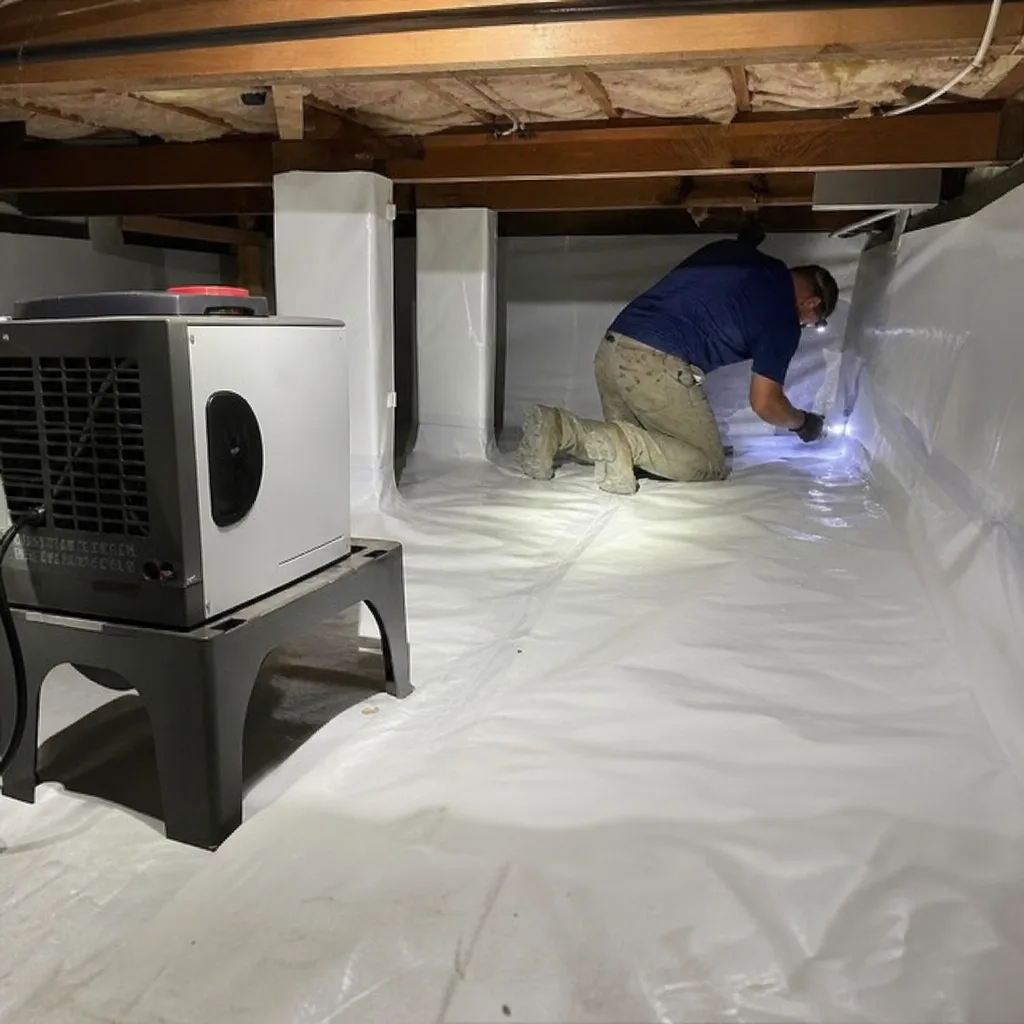
Some insulation conditions in Buena Park require professional assessment and correction. Call for evaluation if you find mold or moisture staining on insulation or framing, if your August temperature differential exceeds 40°F, if you can see bare attic floor after any wind event, or if your home was built before 1980 and has never had a blower-door test - the baseline leakage in these homes is typically 2-3 times modern standards.
Topside Attic Insulation Buena Park offers free estimates in Buena Park - call (562) 418-5767. Every estimate includes a written scope, written price, and written warranty before any work starts, per Haven Standard Clause 1. On applicable jobs, we provide before-and-after blower-door numbers so you can verify the air-sealing result in a single figure. We’ve sealed and insulated 9,000+ homes since 2016, every one with a written price before work started and a documented record when the crew left.
Frequently Asked Questions
Most attic insulation jobs in a typical Buena Park home run between $2,800 and $6,500, depending on square footage, existing insulation condition, and whether air sealing is required before installation. A straightforward blown-in top-off over sealed, functional insulation falls at the lower end; full removal, air sealing, and new insulation with baffle replacement falls at the higher end. We provide a written price before any work starts - no exceptions - and offer a Free Second Opinion on any written estimate from another contractor. Call (562) 418-5767 for an exact quote; estimates are free.
Wind-washed insulation can often be redistributed and supplemented rather than fully replaced, provided the material isn’t contaminated or structurally degraded. The critical step is sealing the air paths that caused the wind-washing first - without that, redistribution is temporary. We assess wind-washed attics with a two-step protocol: blower-door test to quantify leakage, then visual inspection to map redistribution needs. Most Buena Park homes with moderate wind-washing can be corrected for 40-60% less than full replacement. Call (562) 418-5767 to schedule assessment.
Spray foam is worth the premium in specific applications: conditioned attics, crawl space rim joists, and homes with complex framing that makes batt installation difficult. In standard vented Buena Park attics with straightforward geometry, a hybrid approach - spray foam at critical air sealing points, blown-in or batt insulation for thermal value - typically delivers 90% of the performance at 60% of the cost. We specify Icynene or Demilec products and never recommend spray foam as a blanket solution for every attic.
Properly installed and maintained insulation in Buena Park should last 20-30 years, but “properly maintained” is the key condition. Insulation that has been wind-washed, compressed by foot traffic during HVAC service, or degraded by moisture cycling may need partial or full replacement in 10-15 years. The seasonal checks in this calendar extend lifespan significantly - we’ve seen 25-year-old Rockwool performing at specification because the attic was properly sealed and ventilated from installation.
This is the classic symptom of thermal barrier failure: either insufficient insulation depth, compression/degradation of existing insulation, or air leakage bypassing the insulation entirely. In Buena Park specifically, August heat dome conditions expose marginal insulation that seemed adequate in June. The 2 p.m. temperature differential check described in this guide isolates the cause. If your attic exceeds outside temperature by more than 40°F, your thermal barrier is failing regardless of what the insulation depth appears to be. A blower-door test will show whether the problem is leakage, compression, or both.
Post-2005 construction in Buena Park meets better baseline standards, but “meets code” and “performs well” are different thresholds. We’ve found significant issues in homes built through 2020: incomplete air sealing at top plates, missing soffit baffles in complex roof sections, and insulation gaps around duct chases that framers assumed HVAC contractors would seal. California’s Title 24 energy code improved in 2019, but enforcement varies by jurisdiction. A blower-door test reveals the actual performance, regardless of build date.
The Bottom Line
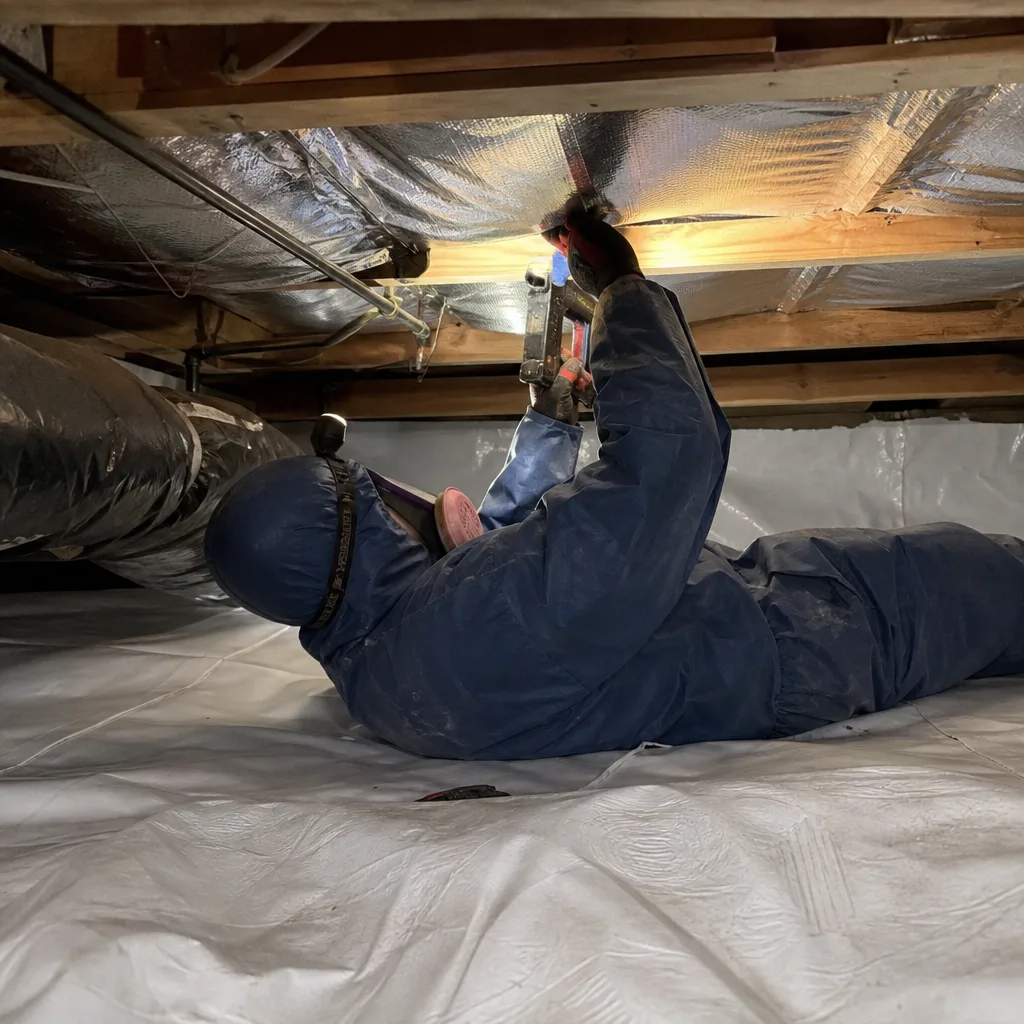
Buena Park’s insulation doesn’t face four seasons - it faces four distinct stress events, each with its own failure mechanism. The Santa Ana winds that wind-wash your eaves, the August heat dome that tests your thermal barrier, the June marine layer that humidity-cycles your binder, and the February temperature swing that condenses on your baffles: these are the actual conditions your insulation lives with. The homeowners who track them with specific, observable checks - the temperature differential, the humidity swing, the post-wind redistribution - catch degradation early and extend material lifespan by a decade or more. The ones who wait for a high bill to notice are already years into preventable loss.
Written by Wes Okafor, Owner at Topside Attic Insulation Buena Park, serving Buena Park since 2016.