
Last updated September 23, 2026
DIY vs Professional Insulation: The Buena Park Homeowner’s Decision Guide
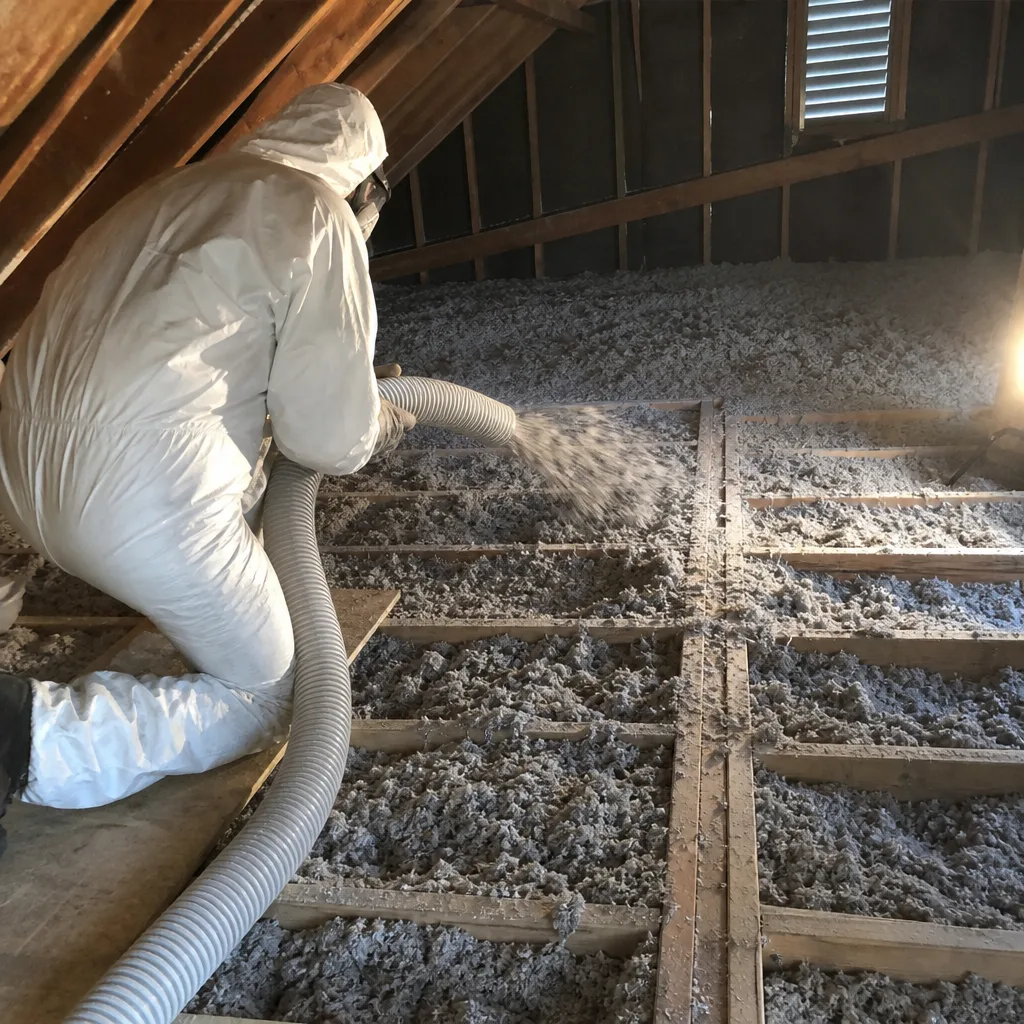
Renting an insulation blower at Home Depot and adding cellulose over existing batting is genuinely DIY-capable work. But only if someone has already verified there are no bypasses to fill, and that verification requires equipment most Buena Park homeowners don’t own and a procedure most wouldn’t recognize. In this guide, we’ll show you exactly where the line falls between a weekend project and a job that needs a building-envelope contractor, what the diagnostic step costs if you want to DIY responsibly, and why the most common DIY mistake in Buena Park - blowing insulation over unsealed recessed lights - turns a $400 weekend into a $3,800 remediation.
Quick Answer
DIY attic insulation is reasonable in Buena Park only when the attic is already air-sealed with documented blower-door results below 5 ACH50, contains no recessed can lights, and has no HVAC equipment or combustion appliances in the space. Every other scenario - including all jobs requiring air sealing first - needs a professional with diagnostic equipment, both because the work cannot be verified without it and because California rebate programs typically require contractor certification for incentive eligibility. If you’re unsure how to select qualified help, see our guide on How to Hire a Insulation Contractor in Buena Park: A Step-by-Step Guide.
Table of Contents
- Where DIY Attic Insulation Actually Works
- What a Blower-Door Test Costs and Why You Need One
- The Equipment Required for a Proper DIY Job
- California Permits, Rebates, and DIY Eligibility
- The Most Common DIY Failure in Buena Park: Recessed Lights
- Cost Comparison: DIY vs Professional by Scenario
- When to Call a Professional
- Frequently Asked Questions
Where DIY Attic Insulation Actually Works
We’ve sealed and insulated over 9,000 homes since 2016, and we’ve seen maybe two dozen attics where adding insulation depth was legitimately a DIY job. The conditions are narrow and specific.
Scenario one: new construction with completed rough-in inspections. If your Buena Park home was built after 2018 and passed Title 24 rough-in, the top plates are likely sealed, the can lights are IC-rated and gasketed, and the HVAC ducts are in conditioned space. The attic floor is clean, the penetrations are documented, and you can verify all of this in the building permit file at Buena Park City Hall. In this case, renting a blower and adding blown cellulose or fiberglass to reach R-38 or R-49 is straightforward. Use a calibrated depth gauge, match the blower CFM rating to your material, and don’t block soffit vents.
Scenario two: existing home with documented blower-door results. This is the rarer case. The attic must show:
- Blower-door result below 5 ACH50 (air changes per hour at 50 pascals of pressure)
- No recessed can lights of any type - surface-mounted fixtures only
- No HVAC air handler, furnace, or ductwork in the attic
- No combustion appliances (gas water heater, furnace) venting through the space
- No signs of prior rodent infestation or moisture damage
- Existing insulation in place, not compressed or mold-affected, just shallow
If all six conditions are met, you’re adding depth to an already functional thermal boundary. The hard work - establishing that boundary - is done.
Here’s what disqualifies DIY in every other case we see in Buena Park neighborhoods like the Estates, Los Coyotes Country Club area, and the older tract homes south of Artesia Boulevard:
- Any recessed lighting. Even “IC-rated” cans leak air unless they’re specifically airtight (AT-rated) and gasketed. Most pre-2020 homes in Buena Park have basic IC cans that leak 2-10 CFM each. Blow insulation over them and you’ve buried live heat sources in cellulose.
- HVAC in the attic. Duct leakage in an unconditioned attic averages 15-25% in our testing. Adding insulation over leaky ducts hides the problem and can trap condensation.
- Top plate gaps. The joint where interior walls meet the attic floor is rarely sealed in homes built before 2010. It’s invisible from below and hard to reach from above without specific technique.
- Fireplace chases and plumbing stacks. These bypasses move conditioned air directly to the attic. Finding them requires infrared imaging or blower-door-directed air leakage detection.
Without a blower-door test, you cannot know whether your attic meets the threshold. That’s not opinion - it’s building science. The test is a pressurization reading that shows, in one number, how much air your building envelope is losing. Below 5 ACH50 in our climate zone means the envelope is tight enough that adding insulation depth will perform as designed. Above that, and you’re treating the symptom while the disease continues.
What a Blower-Door Test Costs and Why You Need One
A homeowner determined to DIY the insulation can still hire the diagnostic step done correctly. This is the responsible path, and it’s rarely discussed in DIY guides.
In Buena Park and northern Orange County, a standalone blower-door test with thermal imaging runs $350-$550 from a HERS rater or building-performance contractor. The tester installs a calibrated fan in an exterior door, depressurizes the house to 50 pascals, and measures the airflow required to maintain that pressure. The result is CFM50 - cubic feet per minute at 50 pascals - which converts to ACH50 when divided by the home’s volume.
What you receive: a written report with the CFM50 number, infrared images showing leakage locations, and a list of prioritized air-sealing targets. Some raters will also perform a duct-blaster test for an additional $200-$300 if you have HVAC in the attic.
Here’s the critical part: the test must be done before insulation is added, because insulation hides the leaks you need to find. Once cellulose or fiberglass covers the attic floor, locating top plate gaps or can light bypasses requires removal and re-testing. We’ve had Buena Park homeowners call us after a DIY job, wanting us to “check if it worked.” We can’t. The insulation is in the way. The only option is to remove material, test, seal, and reinstall - typically $2,800-$4,500 depending on attic size.
So the math for responsible DIY looks like this:
- Blower-door test: $350-$550
- Air sealing materials if leaks are found: $200-$600
- Insulation blower rental: $75/day (Home Depot, Buena Park location)
- Material (cellulose, 40 bags for 1,000 sq ft at R-38): $500-$700
- Depth gauges, respirator, lighting: $80-$150
- Total responsible DIY: $1,200-$2,100
Compare to professional attic insulation in Buena Park, which typically runs $2,800-$5,200 for the same scope including testing, sealing, and installation with documented results. For a detailed breakdown of where those numbers come from, read our Insulation Cost Breakdown: The Buena Park Homeowner’s Reference for 2026. The gap narrows significantly when you do the diagnostic step properly.
One more factor: if the blower-door test reveals ACH50 above 5, you’ll need professional air sealing regardless. The tools for effective top-plate sealing - commercial foam guns, rigid box dams around can lights, fire-rated caulk for chase gaps - aren’t rental items. At that point, you’ve paid for the test and still need the contractor.
The Equipment Required for a Proper DIY Job
Most DIY insulation failures trace to wrong equipment or skipped verification. Here’s what a proper job actually requires, not what the rental counter suggests.
The blower: Home Depot’s rental blowers are typically CFM-rated for cellulose at 450-550 cubic feet per minute. That’s adequate for open attics under 1,200 square feet. For fiberglass, which requires higher air velocity to prevent clumping, the same machine may underperform. Ask specifically: “What’s the rated CFM at 100 feet of hose for [material type]?” If they don’t know, find out before you leave. A mismatched blower and material produces uneven density, and uneven density means your R-value is theoretical, not actual.
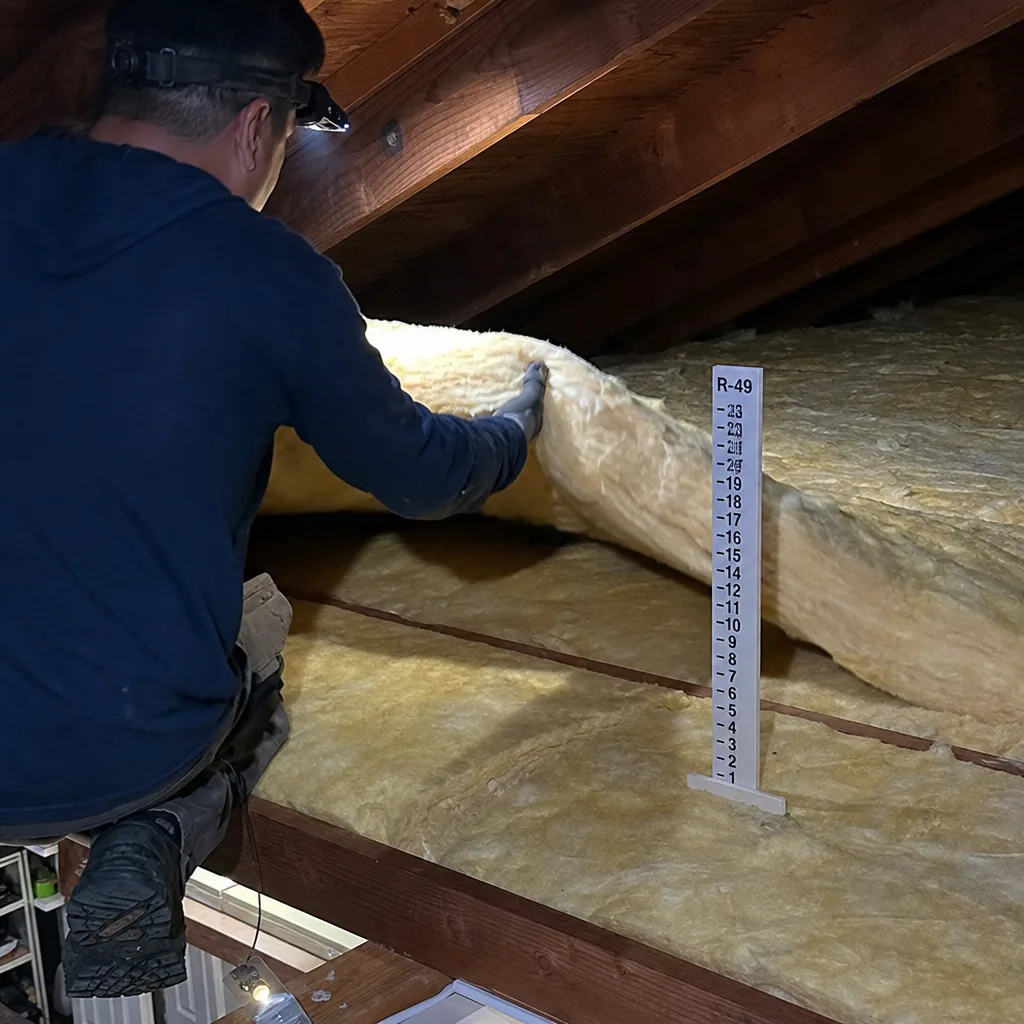
Calibrated depth gauges: R-38 of cellulose requires approximately 10-12 inches at proper density, but “proper density” is the variable. Too loose, and you’ll settle 20% in the first year. Too dense, and you’ve wasted material without gaining performance. Professional installers use marked rulers every 50 square feet and check density by weight - a 25-pound bag should cover approximately 20 square feet at R-38. Most DIYers eyeball it. We’ve removed DIY jobs in Buena Park where the homeowner achieved 14 inches of depth but only R-28 effective because the material was fluffed.
Personal protection: NIOSH-approved N95 minimum, preferably P100 for cellulose dust. Long sleeves, gloves, headlamp with fresh batteries, and knee pads. Attic work in Buena Park’s summer heat - attic temperatures regularly hit 140°F July through September - is genuinely hazardous without hydration planning and early-morning timing.
Material selection: Owens Corning AttiCat fiberglass, GreenFiber cellulose, and Johns Manville Climate Pro are the products most available to Buena Park homeowners through retail channels. Each has specific density requirements:
| Material | R-38 Depth | Density (lbs/sq ft) | Blower CFM Required |
|---|---|---|---|
| GreenFiber cellulose | 10-12 in | 0.5-0.6 | 450+ |
| Owens Corning AttiCat fiberglass | 12-15 in | 0.4-0.5 | 550+ |
| Johns Manville Climate Pro | 11-14 in | 0.45-0.55 | 500+ |
What happens at wrong density: compressed or over-dense insulation loses loft and R-value. Under-dense insulation settles, creating thermal bypasses. Both failures are invisible from the attic hatch. The only verification is thermal imaging after installation, which requires equipment you probably don’t own.
Soffit vent protection: Every DIY guide mentions baffles, but most don’t specify that cardboard baffles collapse when buried in cellulose. Use rigid foam or commercial plastic baffles (Owens Corning Raft-R-Mate or equivalent) and extend them 6 inches above anticipated insulation depth. In Buena Park’s coastal-influenced climate, blocked soffit ventilation leads to moisture accumulation that we see regularly in older homes near Beach Boulevard.
California Permits, Rebates, and DIY Eligibility
This is where the DIY path gets complicated in ways most guides ignore. California’s energy incentive structure increasingly requires contractor participation, and the documentation standards are specific.
Permits: Buena Park Building Division requires permits for insulation work that involves removal of existing material, installation in walls (requiring drywall access), or spray foam of any type. For full details on when permits are required and how to navigate inspections, see Insulation Permits, Codes & Inspections in CA: What You Need to Know. Blown-in addition over existing attic insulation, in a single-family residence, typically does not require permit if you’re not altering the thermal envelope boundary. But if your work triggers Title 24 compliance - new construction, additions, or envelope alterations - you’ll need HERS verification that a DIYer cannot self-perform.
SoCalGas rebates: The Energy Savings Assistance Program and standard rebates for attic insulation require installation by a program-certified contractor. DIY work is ineligible. The contractor must be listed in the program database, and they submit the application with post-installation photos and, for higher-tier rebates, blower-door documentation.
Orange County REOCC (Regional Energy Network): Some financing products and rebates available through the county’s energy network similarly require certified installation. Check current eligibility at ocenergynetwork.org, but as of 2024, DIY insulation did not qualify for any tier of their attic insulation incentive.
IRS 25C tax credit: The Energy Efficient Home Improvement Credit allows up to $1,200 annually for insulation, and this one can apply to DIY work - with critical caveats. You need:
- Manufacturer certification statements for the specific product (available from Owens Corning, Johns Manville, or GreenFiber websites)
- Itemized receipts showing product cost only - not labor, since you didn’t pay any
- Documentation of the home’s location and the installation date
- The product must meet 2021 IECC standards for your climate zone (Buena Park is CZ 8, requiring R-38 minimum for attics)
What you cannot claim: blower rental, tool purchases, or your own labor value. The credit applies to material cost only. For a typical 1,000-square-foot attic, that’s $500-$700 in materials against a $1,200 annual cap - useful but not transformative.
The documentation gap: Here’s the Haven Standard perspective. When we complete a job, the homeowner receives a written scope, a written warranty, before-and-after blower-door numbers on applicable work, and a Documented Photo Record. A DIY job produces none of this. If you sell your Buena Park home, the buyer’s inspector will note insulation depth but cannot verify performance. If you later discover a problem - moisture, ice damming, high bills - you have no baseline to diagnose from. The $350-$550 blower-door test is the minimum documentation we recommend even for committed DIYers. For more guides & resources on attic work and building performance, explore our blog.
The Most Common DIY Failure in Buena Park: Recessed Lights
In the tract homes built 1965-1995 that dominate central Buena Park, particularly south of Artesia and east of Knott Avenue, recessed can lights are nearly universal. They’re also the single most common DIY insulation failure we remediate.
Here’s what happens. The homeowner rents a blower, buys 40 bags of GreenFiber or Owens Corning cellulose, and starts at the far end of the attic. By hour three, they’re tired, hot, and running low on material. They blow toward the attic hatch, covering everything in their path. The can lights - maybe six in the living room, four in the kitchen - disappear under 12 inches of fluffy gray cellulose.
The problem: those cans are heat sources. Even IC-rated fixtures generate significant operating temperatures. Buried in insulation, they overheat. The thermal cutoff trips repeatedly, causing flickering or failure. Worse, if the housing isn’t airtight (and most aren’t), conditioned air leaks upward through the fixture, carrying moisture that condenses on the cold can rim in winter. We’ve opened attics where the drywall around each can was stained black with mold.
The remediation cost: $3,200-$4,800 typical in Buena Park. Here’s the breakdown:
- Insulation removal and disposal: $800-$1,200
- Can light replacement with airtight AT-rated housings: $180-$250 each (6-10 fixtures typical)
- Drywall repair and painting where mold affected ceiling: $400-$900
- Re-insulation with proper air sealing: $1,400-$2,200
- New blower-door test to verify: $350-$550
What it would have cost to do correctly the first time: $2,800-$4,200 for professional air sealing, can light boxing, and insulation with documented results. The DIY “savings” evaporated, then inverted.
The specific Buena Park factor: many of these homes have original 1980s or 1990s can lights that are IC-rated but not airtight. The homeowner sees the IC stamp and assumes safety. IC means “insulation contact” - it doesn’t mean “bury in cellulose without an air barrier.” The distinction matters, and it’s not marked on the housing in language a homeowner would recognize.
Our recommendation for any Buena Park home with recessed lighting: have a professional evaluate the fixture type before adding insulation. We provide free second opinions on any written estimate - bring us a competing quote and we’ll read it with you. Under Haven Standard Clause 1, you’ll get a flat price, written scope, and written warranty before anyone lifts a tool.
Cost Comparison: DIY vs Professional by Scenario
Numbers matter. Here’s how the costs actually land for typical Buena Park homes, based on what we’ve bid and what we’ve seen from DIYers who called us after.
| Scenario | DIY Cost (Responsible) | Professional Cost | Risk of DIY Failure |
|---|---|---|---|
| Air-sealed attic, no cans, add R-19 to existing R-19 | $1,200-$2,100 | $2,800-$3,800 | Low - if blower-door verified |
| Attic with can lights, no prior air sealing | $1,500-$2,500 (test + materials) | $4,200-$6,500 | Very high - requires boxing fixtures, sealing top plates |
| Attic with HVAC ducts, any age | $1,700-$2,800 (test + duct sealing attempt) | $5,500-$8,500 | High - duct sealing needs pressure testing |
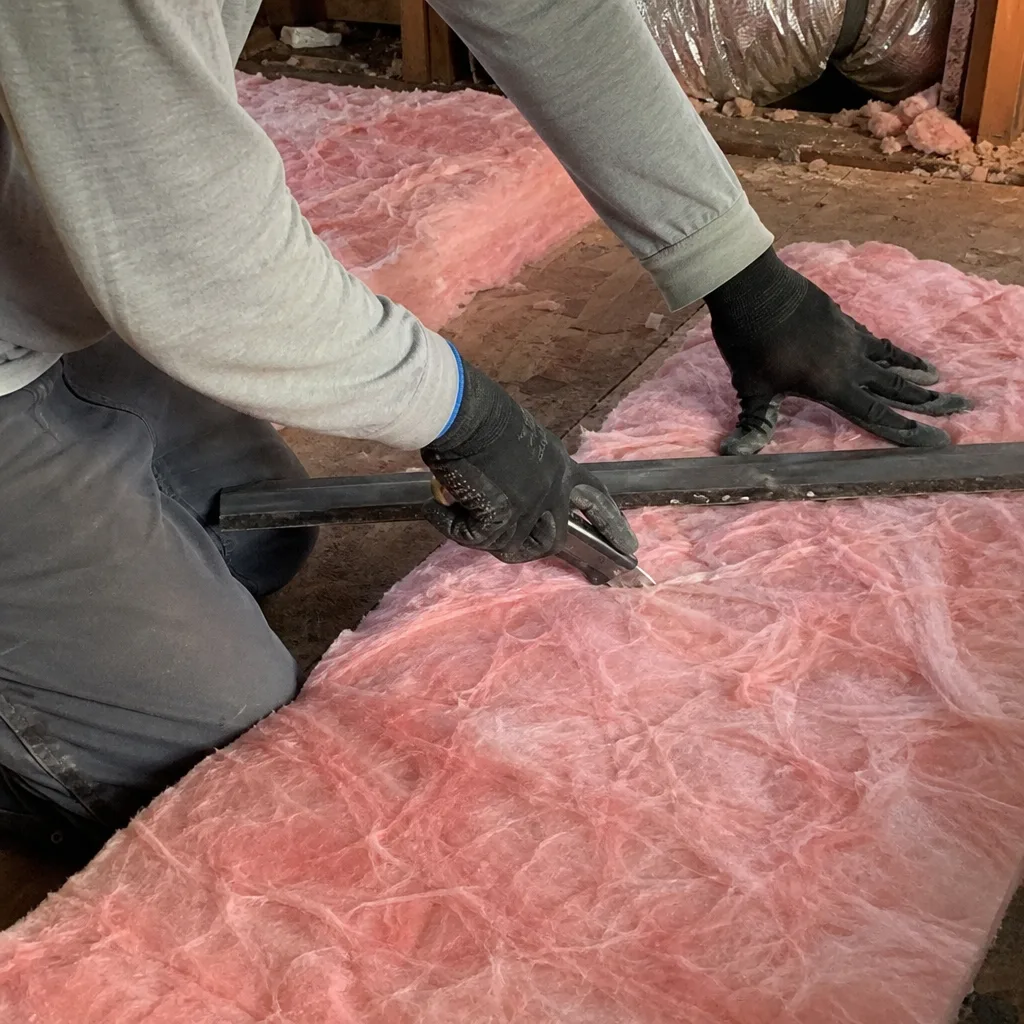
| Removal of old/compromised insulation, then replace | $2,000-$3,500 (dump fees, PPE, disposal time) | $4,800-$7,500 | Moderate - but hazardous waste protocols for rodent-affected material |
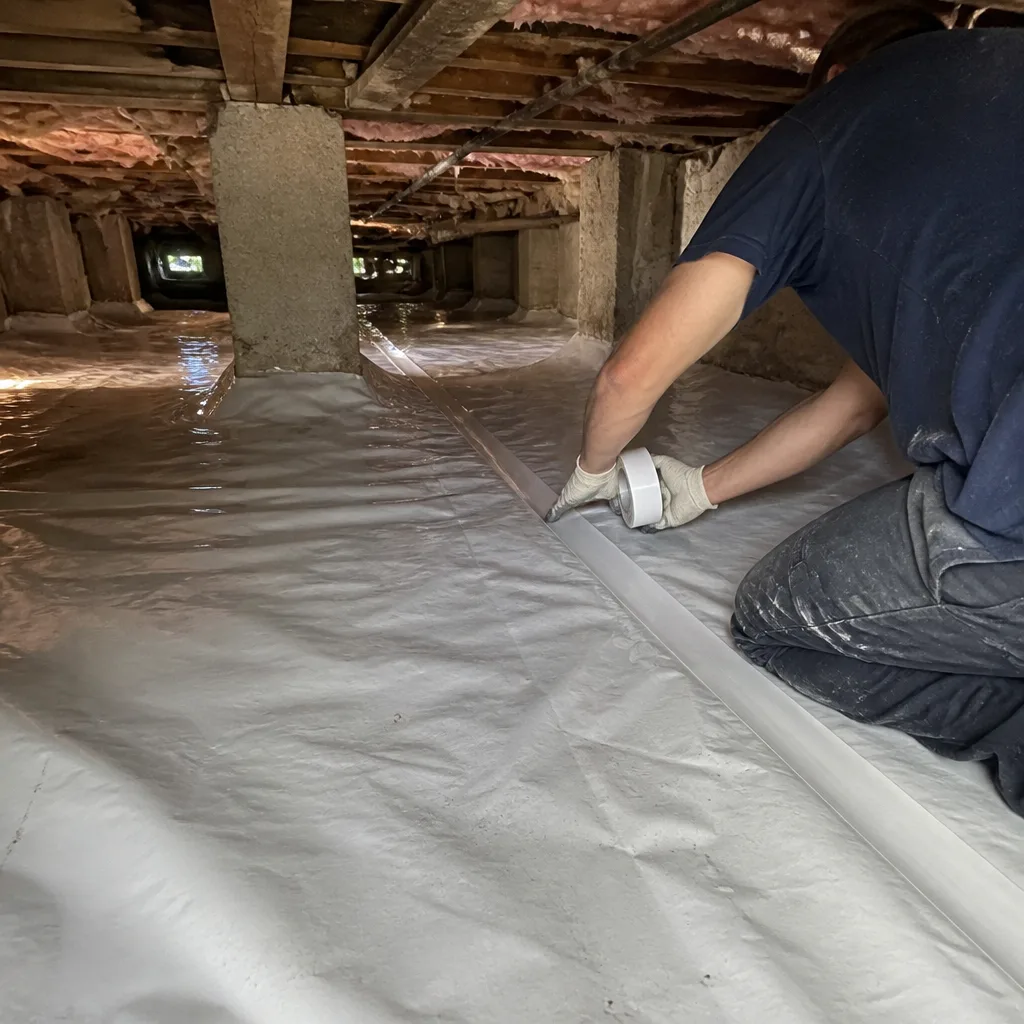
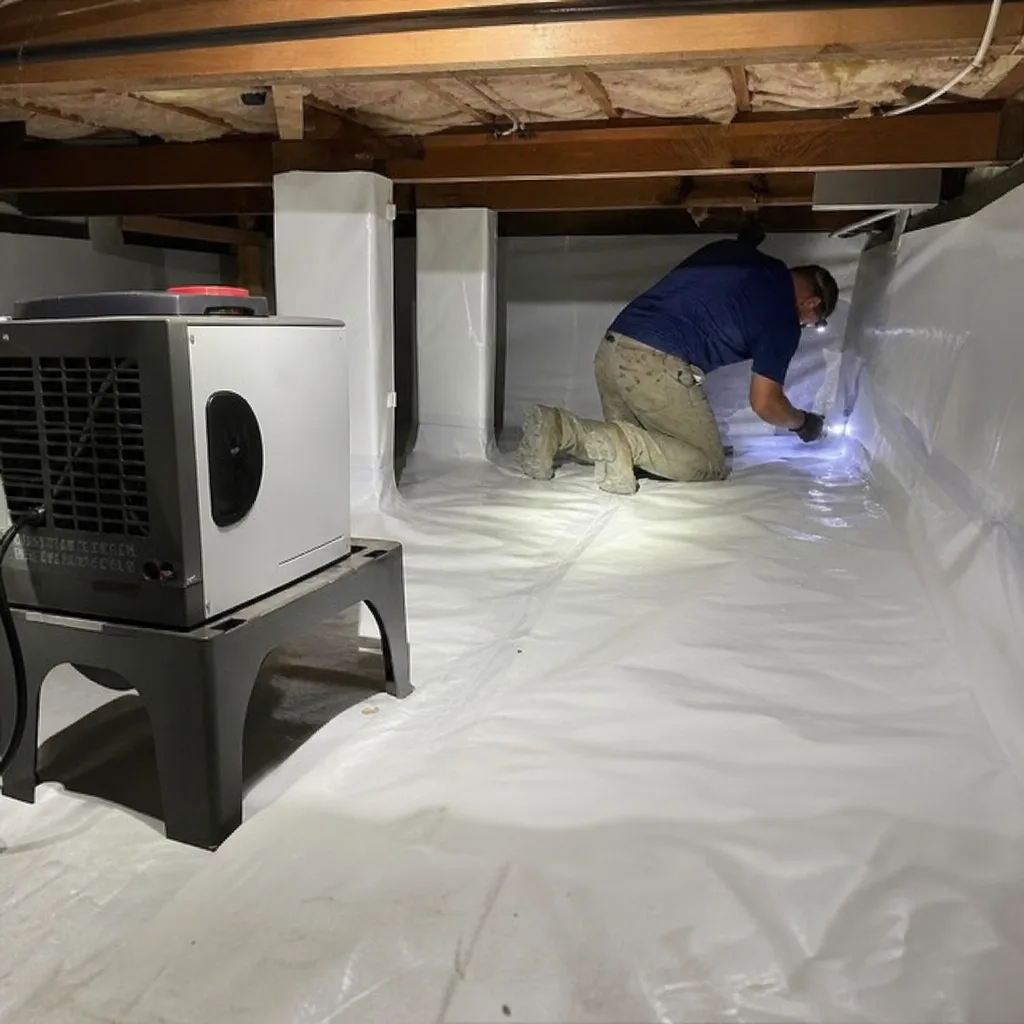
| Crawl space encapsulation | Not recommended DIY | $6,500-$14,000 | Very high - vapor barrier sealing, drainage, mold protocols |
The pattern: DIY savings are real only in the narrowest scenario, and they shrink further when you account for the value of documentation, warranty, and performance verification. The 365-Day Done Right Promise we provide - if it’s not done right, we make it right - has no DIY equivalent.
One more cost most DIY guides omit: your time. A proper DIY attic insulation job, including the diagnostic test, material runs, and installation, consumes 2-3 full weekends. Professional crews complete the same scope in one day with two technicians. Value your time at even $25/hour and the DIY “savings” narrow further.
When to Call a Professional
Call a professional when any of these conditions apply - which is most Buena Park homes we’ve evaluated:
- Blower-door result unknown or above 5 ACH50
- Recessed can lights of any type in the ceiling below
- HVAC equipment or ductwork in the attic
- Gas furnace or water heater venting through the attic
- Evidence of prior moisture damage, mold, or rodent activity
- Need to remove existing insulation before adding new
- Desire for rebate or incentive participation
- Planned home sale within 5 years - documentation adds value
Attic Insulation in Buena Park from Envelope Insulation Co. begins with a written price before any work starts, always. We publish before-and-after blower-door numbers on every applicable job so you can verify the air-sealing result in a single figure. Our materials come from Owens Corning, Johns Manville, Knauf, and other established manufacturers - no proprietary lock-in. Topside Attic Insulation Buena Park home offers free estimates in Buena Park and surrounding Orange County. Call (562) 418-5767 to schedule, or bring us any written estimate for a free second opinion.
Under Haven Standard: Have it in writing. That means flat price, written scope, written warranty before anyone lifts a tool. No exceptions since 2016.
Frequently Asked Questions
Most attic insulation jobs in a typical Buena Park home run between $2,800 and $5,200, including air sealing, material, and installation with documented results. Larger homes, spray foam applications, or jobs requiring insulation removal fall toward the higher end. Call (562) 418-5767 for a written estimate - estimates are free and include a documented photo record.
No. SoCalGas attic insulation rebates require installation by a program-certified contractor who submits post-installation documentation. DIY work is ineligible regardless of material quality or installation quality. If rebates matter to your project economics, professional installation is required.
A blower-door test is a pressurization reading that shows, in one number, how much air your building envelope is losing. You need one before adding insulation because insulation hides air leaks that must be sealed first. Without it, you’re treating the symptom while the disease continues. In Buena Park’s climate zone, aim for below 5 ACH50 before adding insulation.
Doing it right the first time is almost always cheaper. The most common DIY mistake in Buena Park - blowing insulation over unsealed recessed lights - costs $3,200-$4,800 to remediate versus $2,800-$4,200 to do correctly initially. The “savings” invert once removal, repair, and re-installation are required.
Look for an “AT” (airtight) rating on the housing label, not just “IC” (insulation contact). Most pre-2020 Buena Park homes have IC-rated cans that are not airtight. If you cannot find the label or don’t know the fixture age, assume they’re not safe to cover. A professional evaluation takes 15 minutes and is included in our free estimates.
No. Spray foam requires specialized equipment, chemical handling certification, and precise application temperature and thickness control. Off-ratio foam - too much or too little catalyst - fails to cure properly and can emit odors for years. Spray Foam Insulation in Buena Park is a professional-only application. We use Demilec and Icynene products applied by trained technicians with documented yield and thickness verification.
You should receive: a written scope of work signed before work begins, a written warranty, before-and-after blower-door numbers on air-sealing jobs, and a documented photo record showing conditions and completed work. Under the Haven Standard, Envelope Insulation Co. delivers all of these on every job, no exceptions. If your contractor doesn’t provide written documentation, you’re buying a promise, not a result.
The Bottom Line
DIY attic insulation in Buena Park is viable in exactly one situation: an already air-sealed attic with documented blower-door results below 5 ACH50, no recessed lights, no HVAC equipment, and no combustion appliances. That describes a minority of local homes. For every other scenario, the diagnostic equipment, air-sealing techniques, and verification protocols required exceed what responsible DIY can deliver. The most common failure - blowing over unsealed bypasses - turns modest savings into significant remediation costs. If you’re uncertain where your attic falls, start with a professional evaluation. The written price costs nothing, and it tells you whether a weekend project is actually on the table.
Written by Wes Okafor, Owner at Topside Attic Insulation Buena Park, serving Buena Park since 2016.