
Last updated September 23, 2026
Attic Insulation Maintenance Checklist for Buena Park Homeowners
Blown cellulose settles roughly 20% in the first two years after install. If your contractor didn’t account for that in the installed depth, you’ve been below your rated R-value since move-in, and you won’t feel it as a sudden failure - you’ll feel it as a creeping utility bill you stopped questioning. In Buena Park, where summer attic temperatures regularly hit 140°F and winter marine layers keep morning humidity above 70%, that hidden deficit costs you money twelve months a year. This guide shows what to look for on a 20-minute annual walkthrough, how to document what you find, and when the fix is a DIY adjustment versus a call to a professional who understands our local climate - or read our DIY vs Professional Insulation: The Buena Park Homeowner’s Decision Guide to decide first.
Quick Answer
A proper attic insulation maintenance checklist for Buena Park homeowners includes: an annual settled-depth measurement against your original install marker, a visual scan for moisture indicators specific to marine-influence climates (rust on truss plates, dark sheathing stains, compressed insulation near soffit baffles), a post-Santa Ana wind check for dislodged batts and bypass gaps, and a written log entry with photos so any future contractor has baseline history. Most homeowners can complete this in 20 minutes with a ruler, flashlight, and phone camera.
Table of Contents
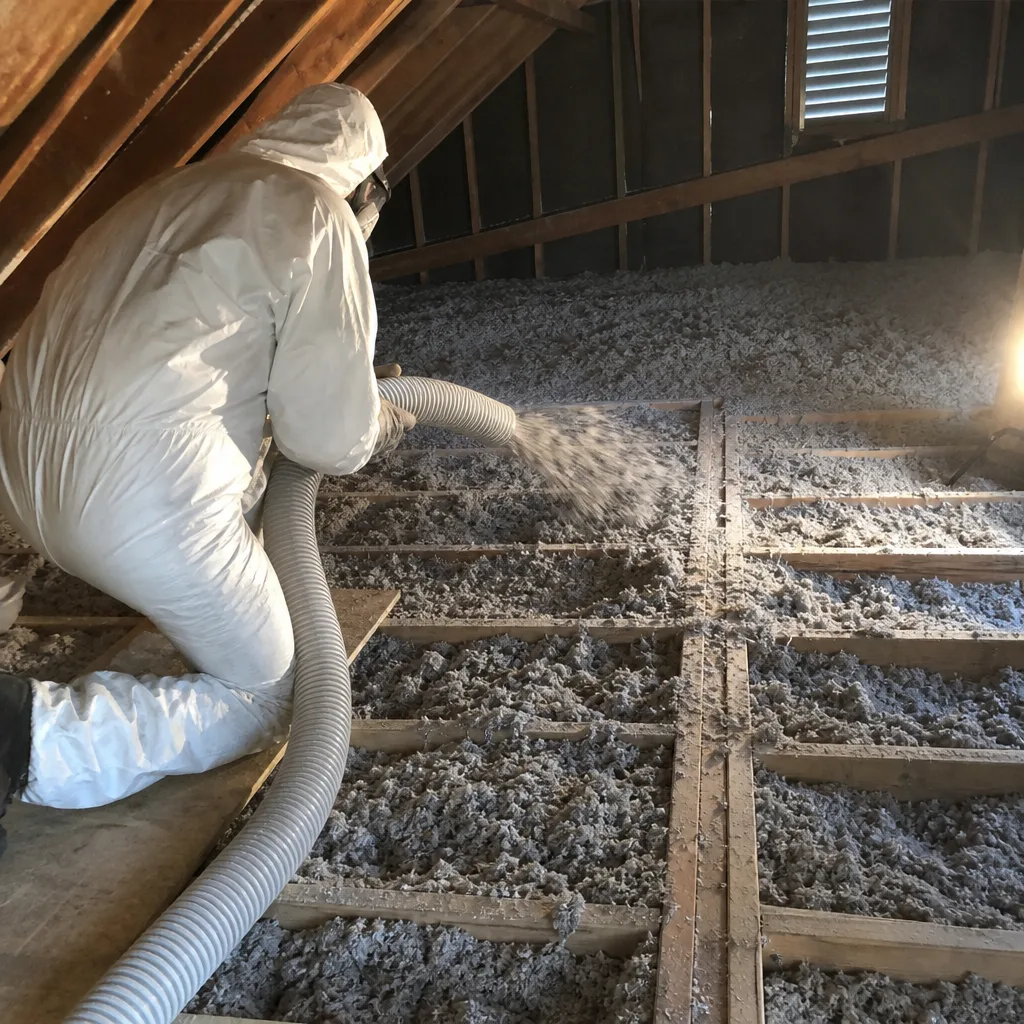
- How to Measure Settled Depth and Calculate Your Real R-Value
- Room-by-Room Trigger List: What You’re Actually Looking For
- The Three Moisture Indicators Specific to Buena Park’s Climate
- The Post-Santa Ana Wind Event Check
- HVAC Duct Disconnection vs. Pest Intrusion: Different Clues, Different Fixes
- Building Your Annual Written Log
- Seasonal Maintenance Schedule for Buena Park
- Common Mistakes to Avoid
- When to Call a Professional
- Frequently Asked Questions
How to Measure Settled Depth and Calculate Your Real R-Value
Every insulation type has a settled density, and most Buena Park homes built between 1980 and 2010 were originally insulated with fiberglass batts or blown cellulose that has since compressed below its labeled rating. Here’s how to know exactly where you stand.
What You’ll Need
- A rigid ruler or measuring tape (metal, not cloth - you need to push through to the drywall)
- Your original insulation documentation, if available (look for the depth marker sticker near the attic hatch)
- The product name from any visible packaging or your home inspection report
- A calculator or phone
Step-by-Step Measurement
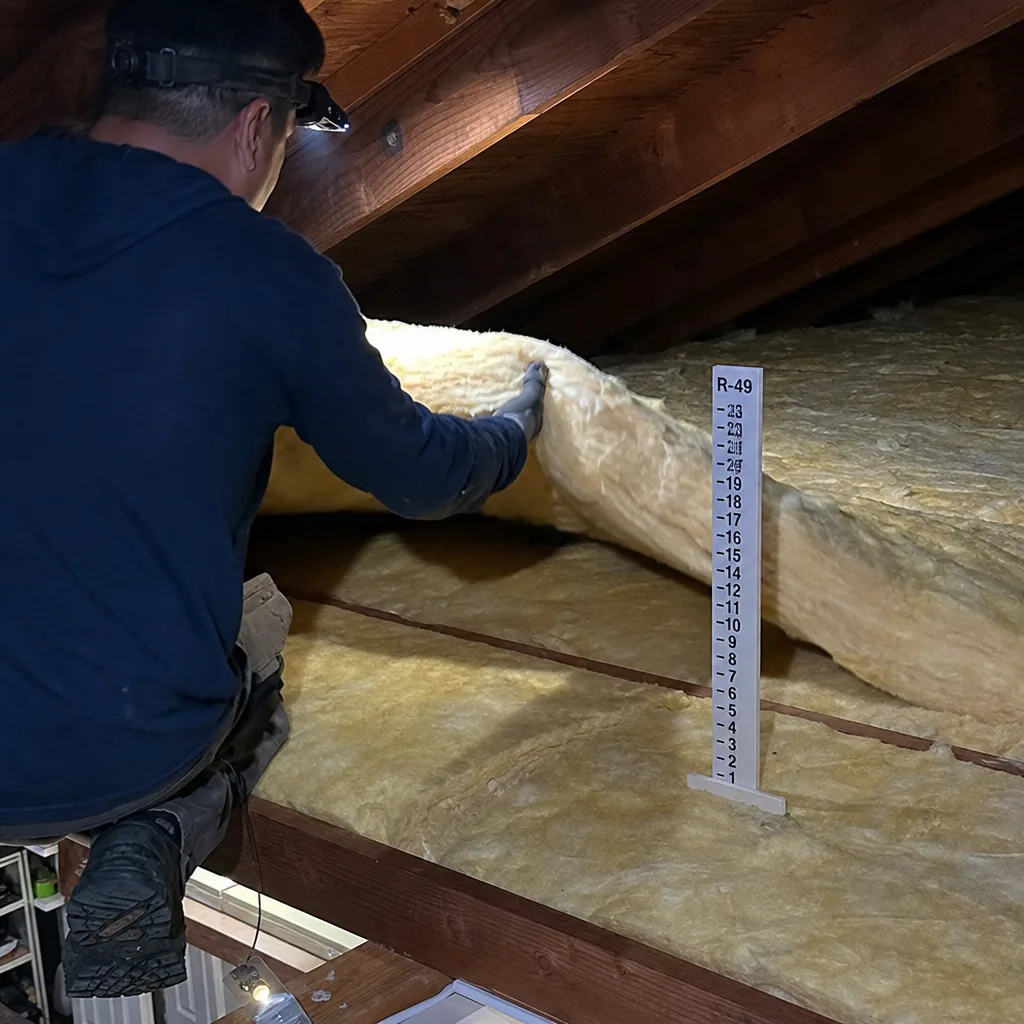
- Locate your measurement points. Choose three spots: one near the center of the attic, one within 3 feet of a soffit vent, and one near any HVAC equipment. Mark these with tape so you measure the same locations annually.
- Compress to the ceiling plane. Push your ruler straight down through the insulation until you hit drywall. Don’t force it through - you’re measuring to the structural surface, not guessing.
- Record the depth. For blown cellulose, measure to the top of the settled material, not the highest fluffy peak. For batts, measure the compressed thickness, not the original loft.
- Compare to the original marker. If your attic has a depth marker (a cardboard or plastic indicator stapled to a truss), the difference between marked and measured depth is your settlement percentage. A marker showing 12 inches with 9.5 inches measured means 21% settlement - typical for cellulose at 6-8 years, excessive for fiberglass batts.
- Calculate current R-value. Use the manufacturer’s settled-density table. For Owens Corning blown-in fiberglass at settled density, R-3.7 per inch is standard. Nine and a half inches equals roughly R-35, not the R-38 you paid for. For Johns Manville blown cellulose, settled R-value drops to approximately R-3.2 per inch. Knauf fiberglass batts that were originally R-30 (10.25 inches) compressed to 8 inches deliver roughly R-26.
We see this constantly in Buena Park’s La Palma Avenue corridor and the neighborhoods east of Knott’s Berry Farm: homes with 2005-era insulation that reads fine from the hatch but measures 15-25% below rated depth throughout the field. The homeowner doesn’t notice a single cold room; they notice a $40-80 monthly electric bill they can’t explain. Attic Insulation in Buena Park often starts with this measurement, not a sales pitch.
When Settlement Becomes a Problem
California Title 24 requires R-38 minimum for attic insulation in climate zone 8, which includes all of Orange County. If your measured depth puts you below R-30, you’re out of compliance for new construction and likely spending 15-25% more on conditioning than a home at proper depth. That doesn’t automatically mean full replacement - top-off blown-in or batt overlay may restore your rating at roughly half the cost of removal and re-install. See The Complete Guide to Insulation in Buena Park for full details on your options.
Room-by-Room Trigger List: What You’re Actually Looking For
Attic insulation doesn’t fail uniformly. It fails where specific forces concentrate: airflow paths, moisture points, and pest access routes. Here’s what each failure mode looks like from above.
The Master Bedroom Below: Common Pressure Imbalance Zone
Master suites in Buena Park’s newer construction - particularly in the developments south of Artesia Boulevard built 2005-2018 - often have the longest duct runs and the most can lights. From the attic, look for:
- Insulation pulled away from recessed light housings. Air pressure from the conditioned space below creates a thermal pump; insulation migrates 6-12 inches from the heat source over several years.
- Dark gray or black staining on insulation directly above the room. This is filtered dirt, not mold. It means air is moving through the insulation, not just heat - a clear sign of a bypass that needs sealing before any insulation work.
- Temperature differential. If the master bedroom runs 4-6°F warmer in summer than the hallway thermostat, the attic above it is likely under-insulated or bypassed, not that your AC is undersized.
Kitchen and Bathrooms Below: Moisture Source Zones
Ventilation fans that terminate in the attic rather than through the roof are code violations in California since 2005, but we still find them in Buena Park homes from the 1970s and 1980s, particularly in the neighborhoods north of the 91 freeway. From the attic:
- Insulation compression in a cone shape below the vent termination. Moisture-laden air condenses and weighs down the material.
- Corrosion on nearby ductwork or fasteners. Even intermittent moisture events leave a signature.
- Soft or discolored drywall visible through insulation gaps. This is advanced damage - the insulation has been wet enough to degrade the ceiling material below.
Rooms with Vaulted or Cathedral Ceilings
These are the hardest to inspect and the most commonly failed in our market. The insulation is compressed into a 6-10 inch cavity with minimal ventilation path. Look for:
- Bulge patterns in the ceiling below. From the attic, you can’t see these, but note them from the room and correlate with your attic findings.
- Missing or displaced rafter baffles. These cardboard or foam channels keep insulation from blocking soffit vents; without them, summer heat builds and winter moisture condenses against the sheathing.
The Three Moisture Indicators Specific to Buena Park’s Climate
Buena Park sits in a transitional zone: close enough to the coast for marine-layer humidity influence, far enough inland for 90°F+ summer peaks. That combination creates specific attic moisture signatures you won’t find in inland Riverside or fully coastal Huntington Beach.
Indicator 1: Rust on Truss Plates
The galvanized steel gusset plates that connect roof truss members corrode when attic relative humidity stays above 70% for extended periods. In Buena Park, this happens when:
- Soffit vents are blocked by insulation or paint
- Ridge vents were installed without adequate intake ventilation
- Bathroom or kitchen vents dump moisture into the attic space
Surface rust is early-stage. Flaking rust with stained wood fibers means the plate has been wet enough to accelerate corrosion for multiple seasons. We document this with photos and include it in our Topside Attic Insulation Buena Park home assessment reports - it’s a structural concern, not just an insulation issue.
Indicator 2: Dark Staining on the Underside of Sheathing
Look at the plywood or OSB roof deck from below. Uniform darkening across large areas suggests chronic high humidity - the marine layer penetrating through inadequate ventilation. Spotty, irregular staining with sharp edges suggests a point-source leak, often from a vent pipe boot or chimney flashing.
The distinction matters. Uniform staining in Buena Park’s climate typically improves with ventilation correction and air sealing, not roof replacement. Point-source staining needs a roofer first, then insulation restoration.
Indicator 3: Compressed Insulation Near Soffit Baffles
This is the most commonly missed indicator. When humid attic air meets the cooler air entering through soffit vents, condensation forms on the insulation surface. Over seasons, the wet-dry cycle compresses the material - fiberglass loses loft, cellulose mats into dense cakes. The insulation near your baffles should be fluffy and full-depth. If it’s thin, hard, or discolored, you have a ventilation-moisture interaction that simple depth topping won’t fix.
In the tract homes near Beach Boulevard and La Mirada, we see this pattern repeatedly: original R-19 batts compressed to R-12 effective near the eaves, while the field insulation reads closer to original depth. The homeowner feels it as cold walls in winter and hot ceilings in summer, exactly at the room perimeter.
The Post-Santa Ana Wind Event Check
The Santa Ana winds that sweep through Orange County between October and March create unique attic stress. Sustained 30-50 mph winds with gusts to 70+ generate pressure cycles across your roof assembly that can dislodge insulation, open bypass paths, and force dust and debris through vent openings.
What to Check Within 48 Hours of a Santa Ana Event
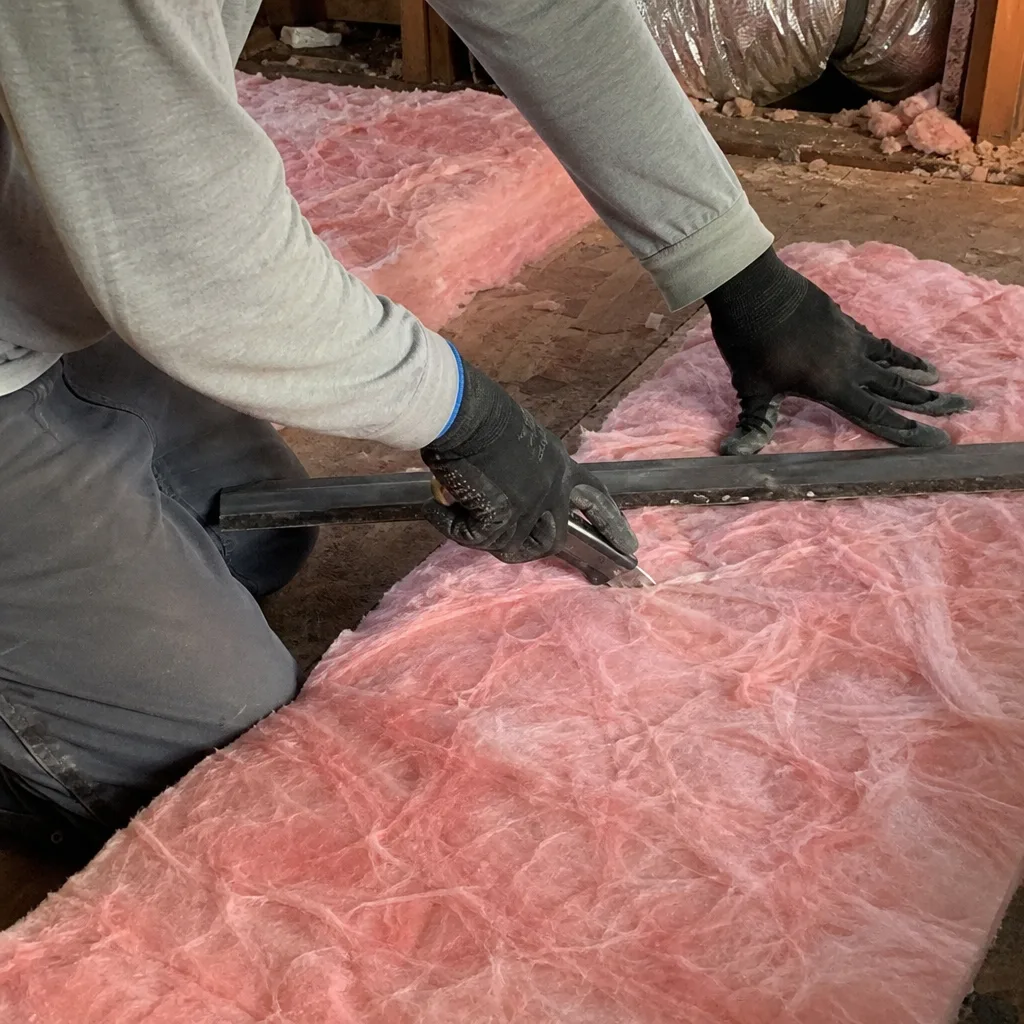
- Gable vent batts. If your attic has gable-end vents (common in Buena Park homes built 1960-1990), batts installed within 3 feet of these vents often shift or fall. Look for insulation piled against the vent screen or fallen to the attic floor.
- Ridge vent filter material. Some ridge vent products include internal filters that can be displaced by extreme negative pressure. Look for filter material visible in the attic or missing from the vent slot.
- New daylight paths. Wind-driven flexing of the roof structure can open gaps at chimney chases, plumbing vent stacks, and electrical mast penetrations. Any new light streak from below means a new air bypass.
- Debris accumulation. Santa Ana winds carry fine dust and plant material through standard mesh vents. Accumulation on insulation surfaces reduces effectiveness and can harbor moisture.
We recommend scheduling your annual attic inspection for late March, after the Santa Ana season ends and before summer cooling loads begin. This timing captures wind damage while leaving lead time for corrections before peak demand.
HVAC Duct Disconnection vs. Pest Intrusion: Different Clues, Different Fixes
Two of the most common attic problems produce similar symptoms from the living space - uneven temperatures, dust, and occasional odors. From the attic hatch, they’re immediately distinguishable if you know what to look for.
HVAC Duct Disconnection
- Visual: Flexible ductwork with a visible gap at a connection point, or metal duct with separated seams. Often the insulation sleeve remains intact while the inner liner separates, making it invisible from outside but obvious when you handle the duct.
- Thermal: The disconnected section blows conditioned air directly into the attic. In summer, this creates a cold spot in the attic near the disconnection; in winter, a warm spot.
- Debris pattern: Dust accumulation radiating outward from the disconnection point, often with a clean “blow” pattern on nearby insulation or framing.
- Sound: From below, you may hear airflow in walls or ceilings where no vent exists - the pressurized attic is forcing air through cracks.
A single disconnected 6-inch supply duct can waste 15-20% of your system’s capacity. In Buena Park’s summer climate, that’s $50-100 monthly in excess cooling cost until it’s found.
Pest Intrusion
- Visual: Insulation displacement with tunnel patterns, not blow patterns. Rodents compress insulation into runways, often following joist tops or duct lines.
- Debris: Droppings, seed caches, or nesting material (shredded paper, insulation fibers). The debris is concentrated in sheltered areas near the eaves or above warm ceiling areas.
- Thermal: No localized temperature anomaly. The damage is physical displacement, not conditioned air loss.
- Odor: Musty or ammonia-like, particularly on warm days when attic temperatures activate organic material.
The Critical Distinction
Duct disconnection is an air-sealing and mechanical repair. Pest intrusion requires removal of contaminated insulation, exclusion sealing, and replacement - the insulation itself is compromised and cannot be sanitized in place. We handle both through our full service line, but the remediation scope differs by 200-400% in cost. Identifying which you’re dealing with before calling any contractor lets you evaluate estimates accurately.
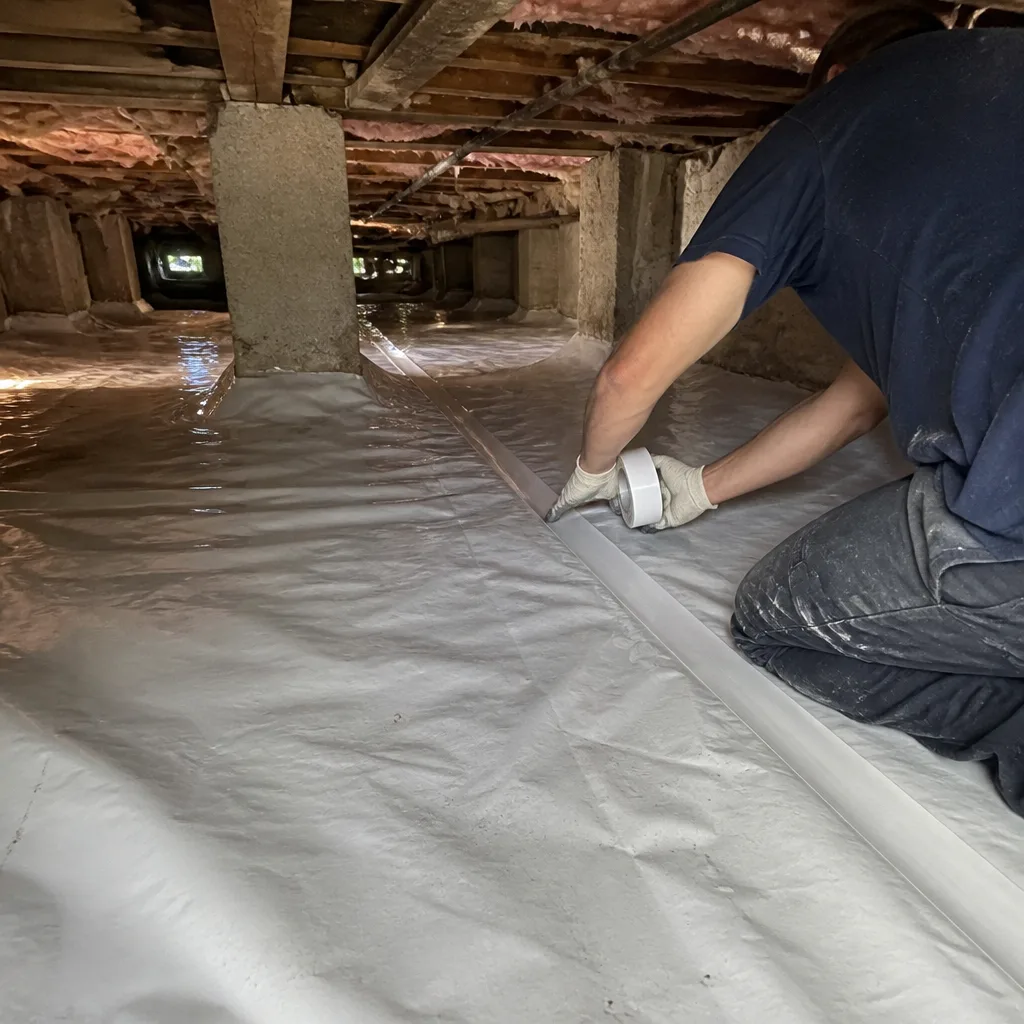
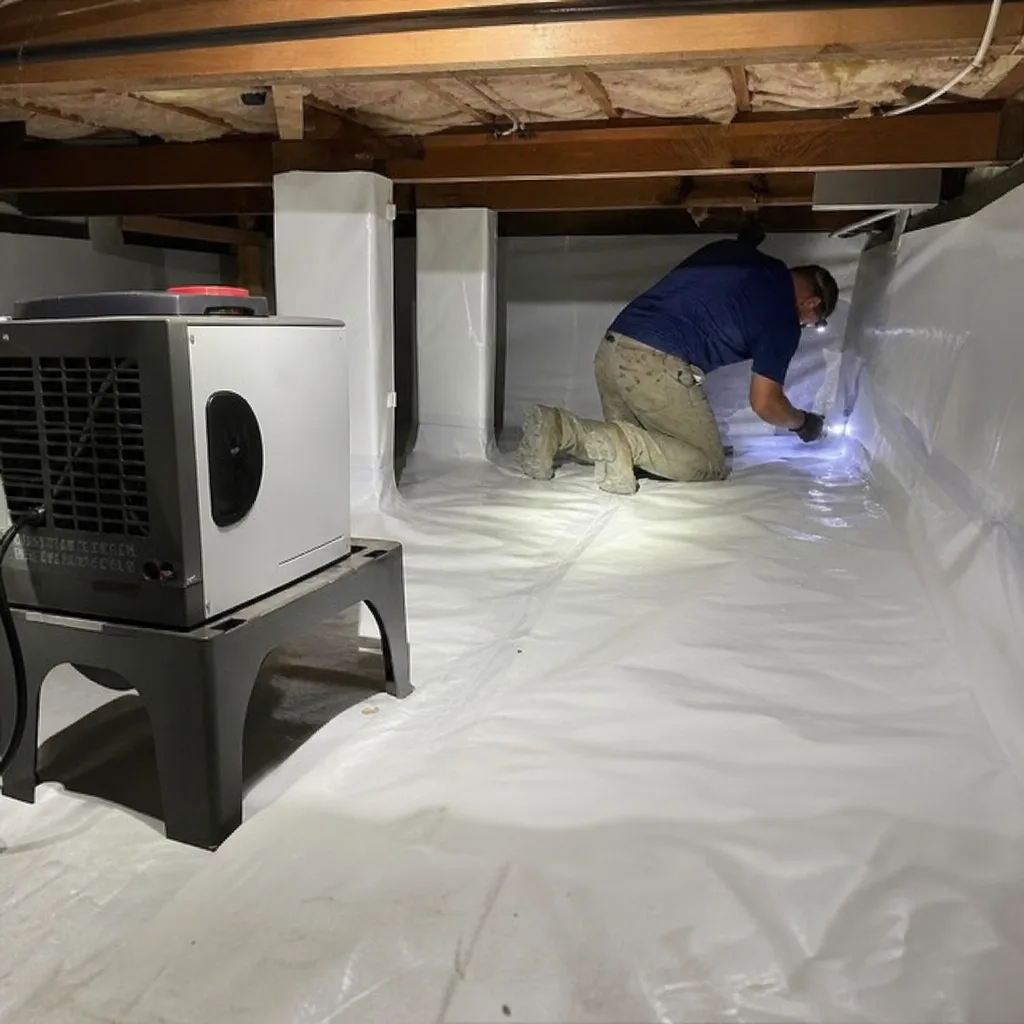
For homes with ongoing pest issues, Crawl Space Encapsulation & Vapor Barrier in Buena Park often addresses the entry point - many rodents access through crawl space gaps rather than roof eaves.
Building Your Annual Written Log
The most valuable thing you can bring to any insulation contractor is history. A three-year log transforms a diagnostic visit from exploration to verification - the technician knows what changed and when, rather than guessing at baseline conditions.
Minimum Log Entry (Each Annual Inspection)
- Date and weather: Temperature, recent precipitation, time since last Santa Ana event
- Measured depths: Your three standard measurement points with locations noted
- Photos: Wide shot of attic field, close-up of each measurement point, any anomalies found
- HVAC filter change date: Correlates with dust loading in attic if ducts are leaky
- Utility bill comparison: kWh and therms for the same month prior year, with degree-day context from weather data
Expanded Log (If Problems Are Found)
- Moisture indicators: Location, extent, photo documentation, whether new or changed from prior year
- Pest evidence: Type, location, whether professional exclusion was performed
- Contractor visits: Date, company, scope, price, promised outcomes
- Blower-door results: If you’ve had testing, the CFM50 reading and date - this is your air-leakage fingerprint
Store this log with your home inspection report and any insulation install documentation. When you call us for a Spray Foam Insulation in Buena Park estimate or any other service, we’ll review your history before we arrive - Haven Standard practice, not an upsell conversation.
Seasonal Maintenance Schedule for Buena Park
Our climate doesn’t have hard freezes, but the seasonal rhythm still matters for attic conditions. Here’s what to do when.
March: Post-Santa Ana Annual Inspection
Complete the full checklist in this guide. Document everything. Schedule any needed repairs before summer cooling season begins - contractor availability tightens in May and pricing reflects demand.
May: Pre-Summer Ventilation Check
Verify all vents are clear of insulation, debris, and pest blockages. Check that ridge vent openings haven’t been painted or caulked shut by prior homeowners or painters. Confirm bathroom and kitchen fans vent through the roof, not into the attic.
September: Post-Peak Cooling Assessment
Review your summer electric bills against degree-day data. A 15% increase year-over-year without weather explanation suggests insulation or duct degradation. This is also when compressed or moisture-damaged insulation is most evident - the summer heat has completed its damage cycle.
December: Pre-Winter Air Sealing Window
If your March inspection found bypasses or your September bill review showed degradation, December through February offers the best pricing and scheduling for professional air sealing and insulation work. Demand is lowest, and crews can work without the summer attic safety constraints.
Common Mistakes to Avoid
- Measuring only at the attic hatch. The hatch area is typically the most disturbed, most often inspected, and least representative location. Measure in the field, near equipment, and near eaves.
- Adding insulation over unsealed bypasses. This is the most common error we correct in Buena Park homes. Blowing new material over a leaky attic floor simply hides the problem and can trap moisture against the ceiling drywall.
- Ignoring the original depth marker. That cardboard or plastic indicator is your baseline. Without it, you’re guessing whether settlement is normal or excessive. If your attic lacks one, install your own and note the date.
- Assuming uniform degradation. Insulation fails in patterns - near vents, above kitchens, around dislodged batts. A single measurement tells you almost nothing; three measurements with location notes tell you the story.
- DIY pest cleanup without proper PPE. Rodent droppings carry hantavirus and other pathogens. Disturbing them without respirator protection and wet-spray suppression is a genuine health risk. This is not a “sweep it up” situation.
- Waiting for a cold room or high bill. By the time you feel the problem, you’ve been overpaying for 12-24 months. The annual inspection is preventive, not reactive.
- Hiring based on price per square foot alone. In Buena Park’s competitive market, low per-square-foot pricing often means no air sealing, no depth verification, and no documentation. The Haven Standard requires written scope and written warranty before work starts - anything less is a gamble.
When to Call a Professional
Some conditions exceed homeowner inspection scope. Call a qualified contractor when you find: active moisture with stained or degraded sheathing (structural concern); pest contamination requiring insulation removal and replacement; HVAC ductwork disconnection or damage (refrigerant lines and high-voltage connections present genuine hazards); or any electrical junction box buried in insulation (fire code violation, shock risk). If your settled-depth measurement puts you below R-30 and your home was built before 2010, professional assessment is warranted - California Title 24 has been updated twice since most original installs, and the gap between your performance and current code is likely substantial. Topside offers free Attic Insulation services estimates in Buena Park - call (562) 418-5767. Every estimate includes a written scope, written warranty, and Documented Photo Record before we leave.
Frequently Asked Questions
Once annually, in late March after Santa Ana season ends. This timing captures wind damage, precedes summer cooling demand, and lets you schedule corrections during the spring contractor availability window. Add a second inspection in September if your summer bills spike unexpectedly.
Most attic insulation jobs in a Buena Park home of 1,500-2,500 square feet run between $2,800 and $5,400 for air sealing plus blown-in fiberglass or cellulose top-off, assuming no removal is needed. Full removal and replacement with upgraded material ranges from $4,500 to $8,200 depending on access difficulty and contamination status. Call (562) 418-5767 for an exact quote - estimates are free, and we provide a written price before any work starts under Haven Standard Clause 1.
Only if the existing material is dry, uncontaminated, and the attic floor is fully air-sealed. Adding over wet or pest-compromised insulation traps moisture and odor. Adding over unsealed bypasses hides air leaks without fixing them - you’ll have deep insulation and still lose conditioned air. We verify these conditions with a pre-install inspection and blower-door test on every job.
Fiberglass (blown or batt) offers the lowest installed cost and works well in vented attics with proper air sealing. Cellulose has slightly higher settled density and better resistance to airflow, but requires accounting for 20% settlement in the initial install depth. Spray foam, whether open-cell or closed-cell, creates both insulation and air barrier in one application - it’s the highest performance option and the highest initial cost, typically 2.5-3x blown-in for equivalent R-value. In Buena Park’s climate, all three perform adequately when installed correctly; the choice depends on budget, attic configuration, and whether you’re converting to conditioned attic space.
The 1:300 rule is the minimum code standard: 1 square foot of net free vent area for every 300 square feet of attic floor, with equal split between high (ridge) and low (soffit) vents. In practice, Buena Park’s marine-influence humidity benefits from slightly more aggressive ventilation - we often specify 1:150 for homes with chronic moisture indicators. Visual check: on a sunny day, you should see light through soffit vents and feel airflow at the ridge. If soffit vents are painted over, blocked by insulation, or originally undersized, that’s your correction priority.
Repair (top-off) is cheaper when existing insulation is dry, uncontaminated, and simply settled below rated depth - typically 40-60% of replacement cost. Replacement is necessary for moisture damage, pest contamination, or insulation installed before 1990 that may contain asbestos (common in Buena Park’s pre-1980 housing stock). We assess this during our free estimate and document the condition with photos so you can see the basis for our recommendation. Call (562) 418-5767 to schedule - estimates are free, and we offer a Free Second Opinion on any written estimate you’ve already received.
The Bottom Line
Attic insulation maintenance isn’t a mysterious craft - it’s a set of observable conditions, measurable depths, and documented patterns that any homeowner can track. The 20% settlement most Buena Park homes experience in their first two years isn’t a defect if it was planned for; it is a defect if your contractor installed to labeled depth without settlement allowance. The moisture indicators our marine climate produces - rust, sheathing stains, compressed eave insulation - give you early warning before damage becomes expensive. And the written log you build each March creates a baseline that transforms every future contractor interaction from guesswork to verification. Do the walkthrough. Take the photos. Write the numbers down. The cost of not knowing is paid monthly to your utility company. For more guides & resources, visit our blog.
Written by Wes Okafor, Owner at Topside Attic Insulation Buena Park, serving Buena Park since 2016.