
Last updated September 23, 2026
Insulation Permits, Codes & Inspections in CA: What You Need to Know
Adding insulation to an existing attic in California can legally require you to also upgrade your HVAC ducts - not because an inspector is being difficult, but because CA Energy Code Section 150.2 makes duct sealing a mandatory alteration trigger above a specific project cost threshold. We’ve been working under these rules in Buena Park since 2016, and the homeowners who get caught off guard are the ones who assumed re-insulation was a simple swap-and-go job. This guide explains when permits are actually required, what Title 24 mandates beyond the insulation itself, and what documentation you’ll walk away with - so you know what leaving looks like before anyone arrives. For more guides & resources on protecting your home investment, see our blog.
Quick Answer
In California, attic insulation replacement requires a building permit when the project value exceeds $1,000 or involves structural changes, and CA Energy Code Section 150.2 mandates additional energy upgrades - like duct sealing or whole-house air sealing - once alteration costs cross specific dollar thresholds. The work must be documented with a CF1R/CF2R/CF3R compliance certificate, and the final CF3R is your permanent proof the job passed inspection.
Table of Contents
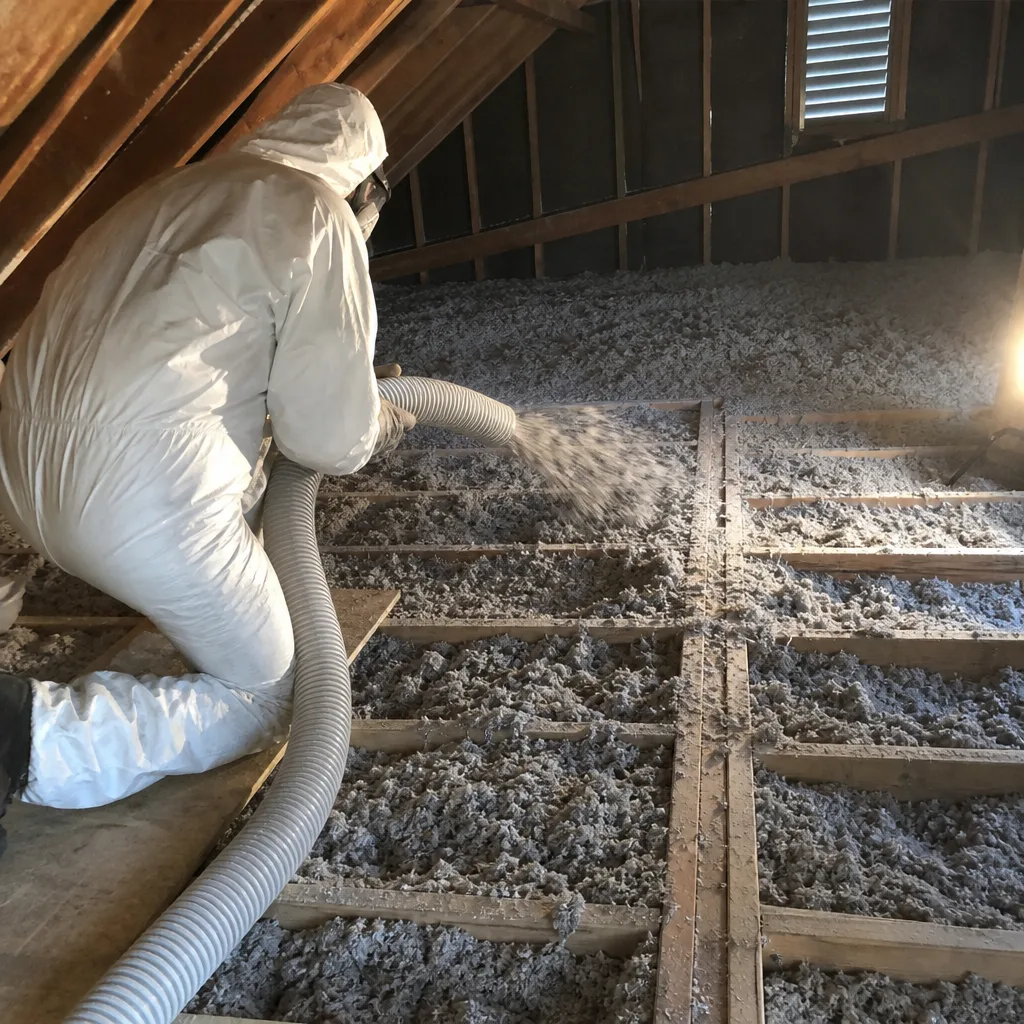
- When Is a Permit Actually Required for Insulation in California?
- Title 24 Part 6: The Mandatory Alteration Triggers Competitors Don’t Explain
- CF1R, CF2R, CF3R: What These Forms Actually Are and Why You Keep Them
- What a Buena Park Building Inspection for Insulation Actually Involves
- Your Contractor’s Legal Duty to Disclose Permit Requirements
- Permit Costs and Timeline in Orange County
- The Real Risk of Unpermitted Insulation Work
- Common Mistakes to Avoid
- When to Call a Professional
- Frequently Asked Questions
- The Bottom Line
When Is a Permit Actually Required for Insulation in California?
The California Residential Code (CRC) and local amendments govern when insulation work needs a permit, and the threshold is lower than most homeowners expect. In Buena Park, which operates under Orange County building codes with amendments through the City of Buena Park Community Development Department, a permit is required for attic insulation replacement when the total project value - labor plus materials - exceeds $1,000. This isn’t a suggestion; it’s the municipal threshold for alterations to existing residential structures.
Here’s where it gets specific. The $1,000 threshold applies to the full scope, not just what you paid the insulation contractor. If you’re also having old insulation removed, air sealing performed, or baffles installed, all of that counts toward the total. We’ve seen homeowners in the La Palma Avenue corridor assume their $900 insulation top-up was permit-exempt, only to discover the removal and disposal pushed the total over the line.
Permits are also mandatory - regardless of cost - when the work involves:
- Structural modifications to roof framing or ceiling joists
- Changes to attic ventilation that affect the roof assembly
- Installation of spray foam insulation that alters the thermal envelope classification
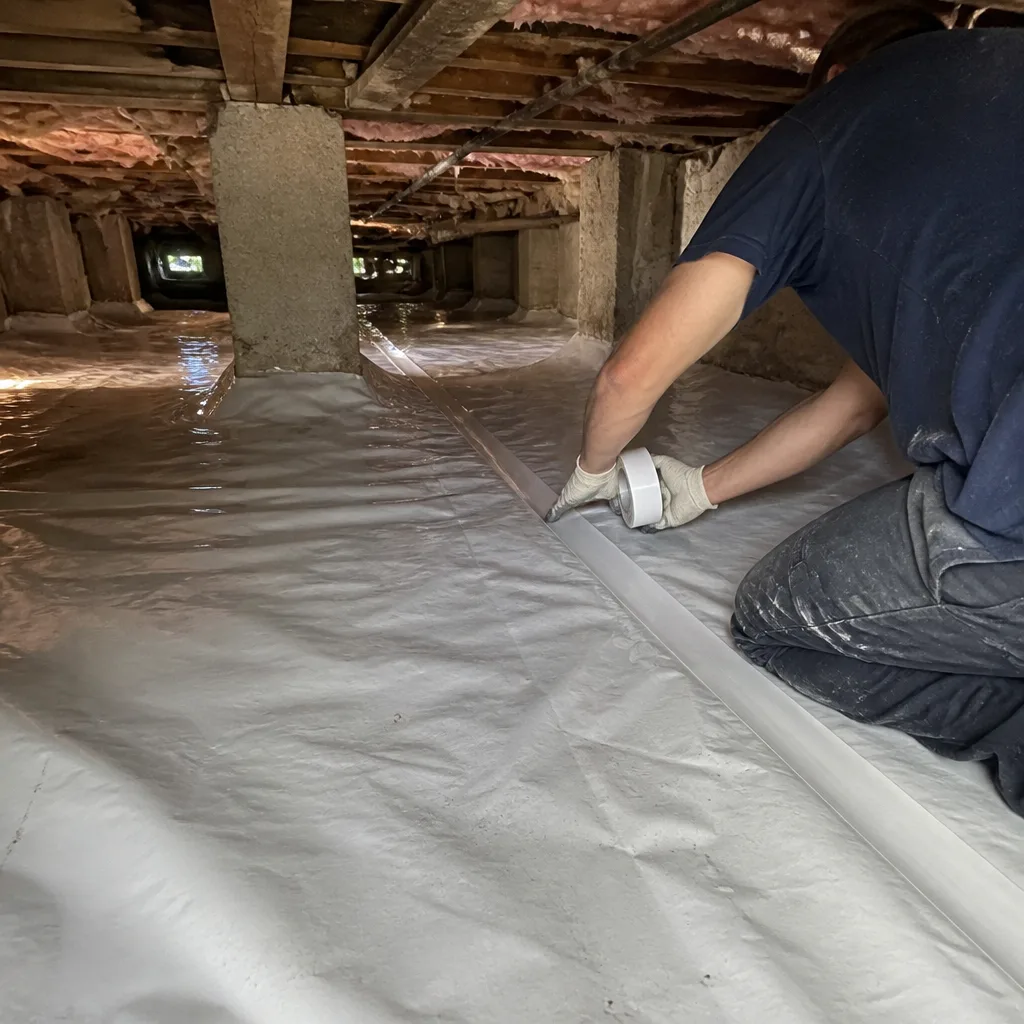
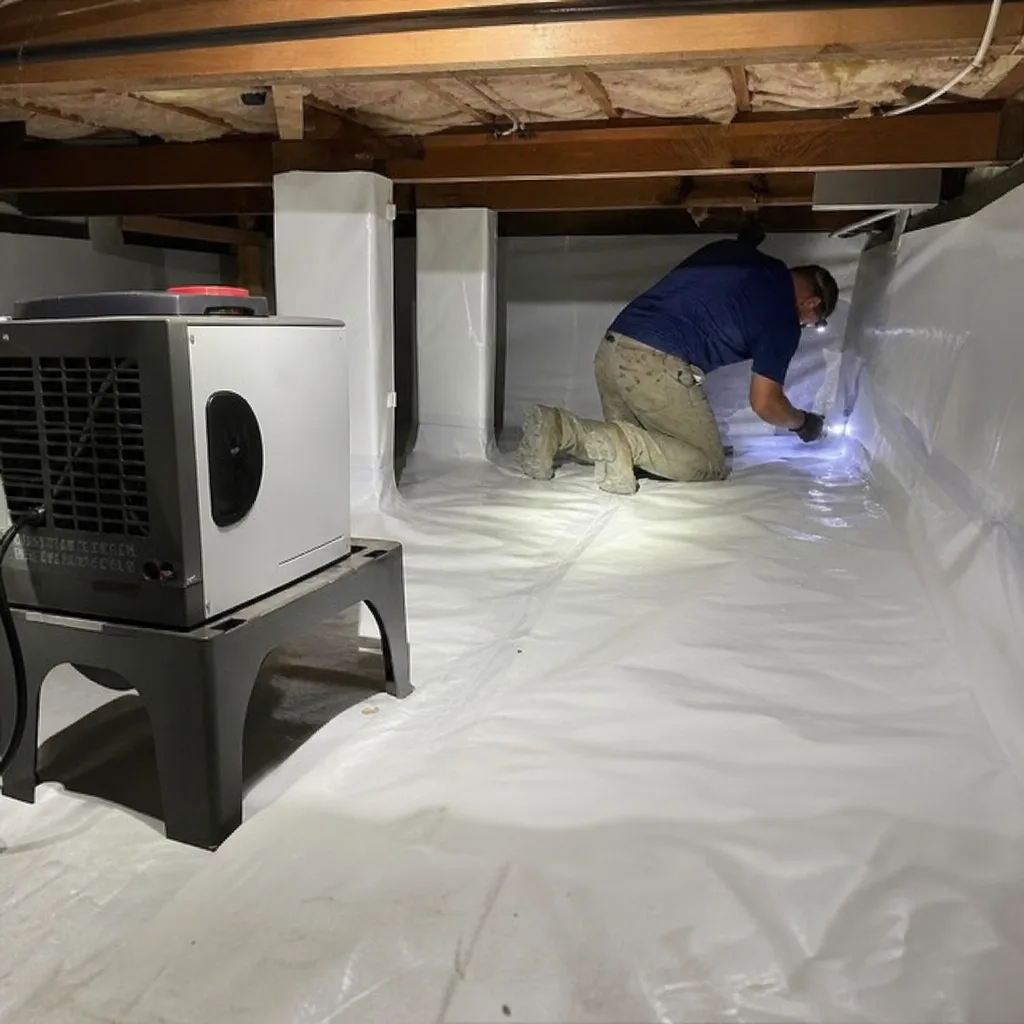
- Crawl space encapsulation that includes vapor barriers and conditioned-space conversion
- Any work in a historic district or on a property with specific deed restrictions
Conversely, simple maintenance - patching a small section of disturbed batt insulation, for example - typically falls below the threshold. But “simple” is doing a lot of work in that sentence. In our experience across Buena Park neighborhoods from the Original Downey neighborhood near Beach Boulevard to newer construction east of Knott Avenue, most re-insulation jobs trigger the permit requirement because the scope expands once we assess what’s actually up there. If you’re unsure whether your attic shows warning signs, consult our Insulation Warning Signs: A Buena Park Homeowner’s Reference Guide.
The permit application in Buena Park requires a site plan, the scope of work, and contractor licensing information. The city issues the building permit and schedules inspections, but the energy compliance documentation - the CF1R/CF2R/CF3R forms we’ll cover later - runs through the California Energy Commission’s approved compliance software. This dual-track system confuses a lot of homeowners. The building inspector checks installation quality; the energy compliance forms prove the work meets Title 24 performance standards. Both are required, and neither substitutes for the other.
Title 24 Part 6: The Mandatory Alteration Triggers Competitors Don’t Explain
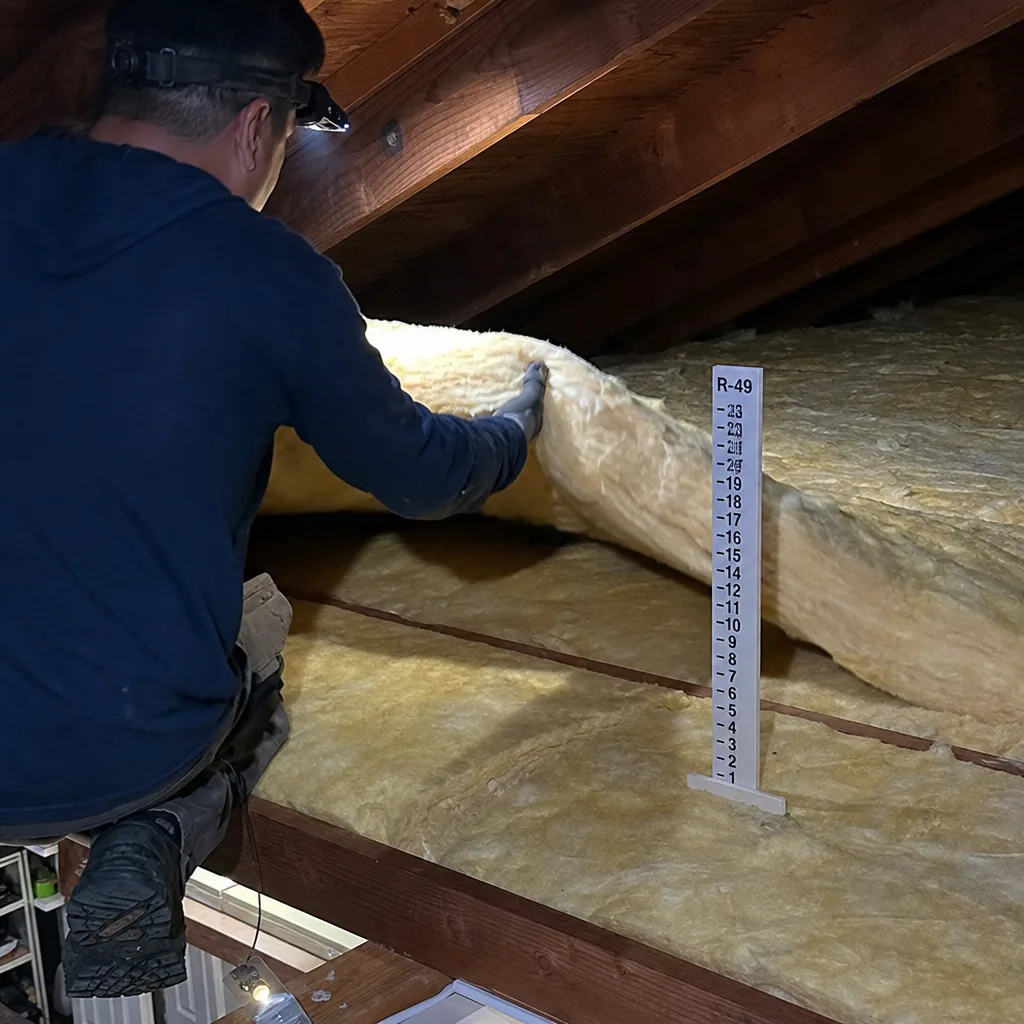
This is the section most insulation contractors gloss over, and it’s where homeowners get blindsided by costs they didn’t budget for. CA Energy Code Section 150.2 establishes “mandatory measures” for alterations to existing buildings, and these measures activate based on project cost thresholds, not on whether you want them.
The key thresholds work like this:
- Alteration cost under $1,000: No mandatory additional measures. Basic insulation replacement only.
- Alteration cost $1,000-$2,999: Prescriptive compliance path available. You must meet specific R-value and installation requirements, but no additional system upgrades are triggered.
- Alteration cost $3,000 or more: Performance compliance required. The project must demonstrate overall energy savings, and this is where duct sealing, whole-house air sealing, or other envelope improvements become mandatory - not optional, not upsells, but code-required.
We’ve walked into attics in Buena Park where the homeowner got a quote for $2,800 of blown-in insulation, then learned their ducts - original flex duct from a 1987 build near Los Coyotes Country Club - leak 35% of conditioned air into the attic. Under Section 150.2, once the total alteration crosses $3,000, the contractor is legally required to bring those ducts into compliance or prove through performance modeling that the overall project still meets the energy budget. Most of the time, sealing or replacing the ducts is the only practical path.
The performance compliance path uses approved software - CBECC-Res or equivalent - to model the home’s energy use before and after the work. The model accounts for Buena Park’s specific climate zone (Climate Zone 8, marine influence with significant cooling loads), local solar orientation, and the existing building characteristics. This isn’t a back-of-envelope calculation. It’s a documented engineering analysis that produces the CF1R form we’ll discuss next.
What this means practically: when we quote attic insulation in Buena Park, we assess the full envelope condition upfront. If your ducts are leaking, your can lights are unsealed, or your top plates are uncaulked, we flag it in the written scope - not to pad the invoice, but because Title 24 may require us to address it regardless. Under Haven Standard: Have it in writing, you get that assessment before anyone lifts a tool, with a flat price and written warranty attached.
Materials matter in this calculation too. A job using Owens Corning blown-in fiberglass at R-38 performs differently in the model than the same R-value with GreenFiber cellulose, which has slightly different density and air-flow characteristics. We don’t push one material over another - we source from Owens Corning, Johns Manville, Knauf, and others based on what the house needs - but the compliance software accounts for these differences, and the homeowner should know the specification affects both performance and permit documentation.
CF1R, CF2R, CF3R: What These Forms Actually Are and Why You Keep Them
California’s energy compliance documentation follows a three-form sequence that tracks a project from design to final inspection. Homeowners rarely see these forms explained, yet the CF3R is arguably the most important document you’ll receive - more valuable than the invoice, because it proves the work was done to code and inspected.
CF1R - Certificate of Compliance (Registration): This is the design-phase document. Your contractor or energy consultant generates it using approved compliance software, modeling the proposed work against Title 24 requirements. The CF1R specifies the insulation R-values, air sealing targets, duct leakage rates, and any other measures the project must achieve. In Buena Park, the CF1R gets submitted with the building permit application. Without it, the permit doesn’t issue. The CF1R is produced by the party taking responsibility for energy compliance - typically the contractor or a third-party energy consultant.
CF2R - Certificate of Installation: This form documents what actually got installed. The contractor completes it after the work is done, noting the actual R-values achieved, the materials used (manufacturer and product line), duct test results, and blower-door readings where applicable. The CF2R is signed by the installer and, for some measures, by a HERS rater - a third-party verifier who conducts independent testing. In our work, this is where the before-and-after blower-door numbers go: the pressurization reading that shows, in one number, how much air your building envelope was losing before and after we sealed it.
CF3R - Certificate of Final Inspection: This is the inspector’s sign-off. The local building inspector or HERS rater verifies that the installed work matches the CF2R and complies with the CF1R’s specifications. Once signed, the CF3R is filed with the California Energy Commission’s database and a copy goes to the homeowner. This is your permanent record. If you sell the house, the CF3R proves the insulation work was permitted and inspected. If there’s ever a dispute about the work quality, the CF3R is your evidence.
We’ve handled resales in Buena Park where the previous owner’s “great deal” on unpermitted attic insulation became a $4,000 headache - the buyer’s lender required proof of permits, none existed, and the work had to be redone and re-inspected. The CF3R prevents this. Keep it with your deed records, not in a kitchen drawer you’ll forget about.
The HERS rater involvement deserves specific mention. For many Title 24 measures - duct sealing, whole-house air sealing, quality insulation installation - a HERS (Home Energy Rating System) rater must perform independent verification. This isn’t your contractor checking their own work. It’s a state-certified third party with no financial stake in the project outcome. In Orange County, HERS raters are plentiful, but scheduling can add 3-5 business days to the project timeline. We build this into our scheduling in Buena Park so homeowners aren’t surprised by the delay.
What a Buena Park Building Inspection for Insulation Actually Involves
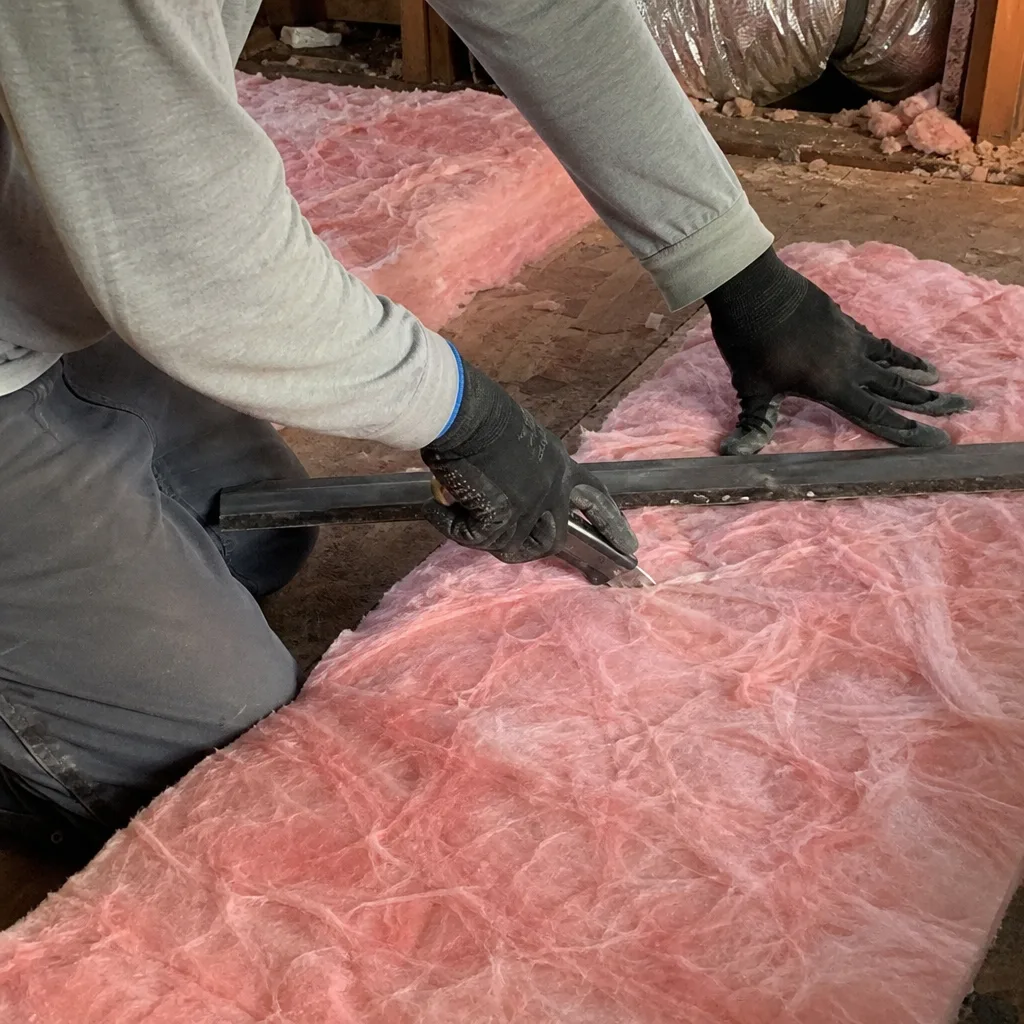
The inspection process in Buena Park follows a predictable sequence, but the specifics matter for scheduling and preparation. Here’s what actually happens, based on our experience with the City of Buena Park Community Development Department’s building division.
Step 1: Pre-construction meeting (if required)
For projects over $10,000 or involving multiple trades, Buena Park may require a pre-construction meeting. Most residential insulation jobs fall below this, but whole-house envelope projects - insulation plus air sealing plus duct replacement - sometimes trigger it. The meeting covers site access, hours, and inspection scheduling.
Step 2: Rough inspection (if applicable)
If air sealing is part of the scope, a rough inspection may occur before insulation covers the work. The inspector wants to see the top plates sealed, can lights addressed, penetrations caulked - the actual air barrier, not just the finished surface. This is why we never blow insulation over an unsealed attic floor. If the inspector can’t verify the air sealing, the insulation has to come back out. We’ve seen it happen to other contractors in the Artesia Boulevard corridor.
Step 3: Insulation inspection
The inspector verifies:
- R-value matches the CF1R specification (printed on the material or verified by thickness and density for blown-in)
- Installation quality: no compression, gaps, or voids exceeding code limits
- Attic ventilation is maintained or improved - baffles in place at eaves, ridge and soffit vents unobstructed
- Recessed light fixtures have proper clearance and IC (insulation contact) rating where required
- Combustion appliances in the attic have adequate clearance and venting
- Access hatch is weatherstripped and insulated to match surrounding R-value
Step 4: Final inspection and CF3R sign-off
The inspector confirms all prior corrections are complete, verifies the CF2R matches installed conditions, and signs the CF3R. In Buena Park, this typically occurs 1-2 business days after the insulation inspection if no corrections are needed. The city then updates the permit record, and the homeowner receives the final documentation.
Timeline reality: from permit application to final sign-off, most Buena Park attic insulation projects take 2-3 weeks. The work itself is often 1-2 days. The rest is permit processing, inspection scheduling, and HERS rater coordination where required. We tell homeowners in the Stanton-adjacent neighborhoods to plan for this, especially if they’re timing the work around other renovations or a home sale. For help scheduling your project through the seasons, see our Seasonal Insulation Care for Buena Park: Year-Round Homeowner’s Guide.
Your Contractor’s Legal Duty to Disclose Permit Requirements
California Business and Professions Code Section 7159 requires contractors to disclose permit requirements in writing before work begins. This isn’t a courtesy; it’s a statutory obligation with real consequences for non-compliance. The disclosure must specify whether a permit is required, who will obtain it, and the estimated permit cost.
Here’s where homeowners get into trouble. Some contractors, seeking to undercut competitors or avoid delays, suggest “we can do this without permits” or “permits just add cost.” This is a red flag. In Buena Park, unpermitted work over the $1,000 threshold violates municipal code, and the contractor who performs it faces disciplinary action from the Contractors State License Board (CSLB). But the homeowner absorbs significant risk too.
Under California law, a homeowner who knowingly proceeds with unpermitted work can be required to disclose that fact on sale, may face fines from the local building department, and in some cases must remove or redo the work to obtain occupancy or sale clearance. The “knowingly” part matters - if the contractor misrepresented the permit requirement, the homeowner has recourse through CSLB complaint processes. But proving misrepresentation is harder than having the disclosure in writing from the start.
At Envelope Insulation Co., operating under The Haven Standard since 2016, every job begins with a written scope that explicitly addresses permits: whether one is required, which jurisdiction will issue it, estimated fees, and who handles the application and inspections. This is Haven Standard Clause 1 in practice - flat price, written scope, written warranty before anyone lifts a tool. If a competing quote doesn’t mention permits, that’s information too. Our Free Second Opinion on Any Written Estimate includes reading their permit language with you, or noting its absence.
The disclosure requirement also extends to the Title 24 alteration triggers. A contractor who knows the project will cross the $3,000 threshold - triggering mandatory duct sealing or other measures - must disclose this to the homeowner. Failing to do so, then hitting the homeowner with “surprise” required upgrades mid-project, violates both the spirit and letter of the disclosure law. We’ve reviewed competitor quotes for Buena Park homeowners where this exact scenario played out, and the written scope’s silence on Title 24 compliance was telling.
Permit Costs and Timeline in Orange County
Permit costs in Buena Park follow a formula: base fee plus valuation fee plus inspection fees. For a typical attic insulation replacement in the $2,000-$4,000 project range, expect permit costs of $250-$450. The valuation fee is calculated on the total job value, including materials and labor, so a contractor who lowballs the permit application to save fees is committing fraud - and the permit can be revoked if discovered.
Orange County cities vary. Anaheim and Fullerton, which border Buena Park, have slightly different fee schedules and inspection protocols. A contractor working across multiple cities needs to know these differences, not apply a one-size-fits-all approach. In our 9,000+ homes sealed and insulated since 2016, we’ve processed permits in every Orange County jurisdiction, and the variations matter for scheduling and documentation.
Timeline breakdown for a typical Buena Park attic insulation permit:
| Stage | Typical Duration | Notes |
|---|---|---|
| Permit application submission | 1 day | Online or in-person; CF1R required with application |
| Plan review and issuance | 3-7 business days | Longer if corrections needed or staff backlog |
| Work completion | 1-2 days | Insulation and air sealing |
| Rough inspection (if required) | 1-2 business days after request | Required for air-sealing verification |
| Insulation inspection | 1-2 business days after request | Must pass before final |
| HERS verification (if triggered) | 3-5 business days | Third-party scheduling |
| Final inspection and CF3R | 1-2 business days | Inspector signs off, city closes permit |
Total elapsed time: 2-3 weeks for a straightforward job, 4-6 weeks if corrections or re-inspections are needed. We build this into our project scheduling and communicate it in writing - no “it’ll be done by Friday” promises that ignore permit reality.
The Real Risk of Unpermitted Insulation Work
The risks of skipping permits extend beyond the immediate legal exposure. In Buena Park’s climate - hot, dry summers with significant cooling loads, mild winters with occasional Santa Ana wind events - improperly installed insulation creates specific, costly problems that permitted work with inspection oversight prevents.
Attic temperatures in Buena Park regularly exceed 140°F in July and August. Insulation installed without proper ventilation clearance, or compressed into eaves without baffles, creates hot spots that degrade the material and transfer heat into conditioned space. We’ve removed improperly installed batts from attics near the 91 freeway where the effective R-value had dropped 40% due to compression and moisture accumulation - moisture that proper vapor management and ventilation would have prevented.
Insurance and liability compound the risk. If unpermitted work contributes to a fire, mold event, or structural issue, insurers may deny claims. The homeowner who saved $300 on permit fees faces a $15,000 uncovered repair. In one Buena Park case we consulted on, a DIY spray foam installation - no permit, no inspection, wrong product for the application - off-gassed for months and required complete removal at $8,000, all out of pocket.
The resale issue deserves emphasis. California’s Transfer Disclosure Statement asks directly about permits for alterations. Answering “no” or “don’t know” when unpermitted work exists exposes the seller to post-sale liability. Answering “yes” without the CF3R to back it up invites buyer scrutiny that can delay or derail the sale. The CF3R, filed with the state and matched to the property address, is verifiable proof that satisfies disclosure requirements.
For homeowners in Buena Park’s original 1950s neighborhoods near Beach Boulevard, where knob-and-tube wiring may still be present in attics, the permit process also triggers required electrical inspection. Insulating over active knob-and-tube is a fire hazard and code violation. The permit inspection catches this; unpermitted work buries it until something goes wrong.
Common Mistakes to Avoid
- Assuming “like-for-like” replacement needs no permit. In Buena Park, the $1,000 valuation threshold applies regardless of whether you’re swapping batts for batts. If the total job exceeds the threshold, you need a permit - even if nothing looks different when you’re done.
- Accepting a quote that doesn’t mention Title 24 compliance. If your project crosses $3,000 and the contractor’s scope is silent on duct sealing, air sealing, or performance compliance, they’re either unaware of the requirement or planning to ignore it. Either way, you’re exposed.
- Blowing insulation over unsealed air leaks. This violates basic building science and, in many cases, Title 24’s mandatory air-sealing requirements. The insulation performs poorly, and if a rough inspection was required, you’ll be pulling it back out.
- Letting the contractor “handle permits later.” Permits must be issued before work begins. “We’ll get it after” means the work is unpermitted, and retroactive permitting in Buena Park requires exposing installed work for inspector verification - often at additional cost.
- Discarding the CF3R with the project file. This form is your permanent compliance record. Store it with your deed or in a fireproof document box. Lenders and buyers ask for it; the state database can be slow to query, and having your copy saves weeks.
- Hiring unlicensed operators for “savings.” CSLB licensing is required for projects over $500. Unlicensed contractors can’t pull permits, can’t obtain HERS rater coordination, and leave you with no recourse if the work fails. The “savings” evaporate when you pay twice to fix it.
- Ignoring climate-specific requirements. Buena Park’s marine-influenced hot climate zone means cooling-dominated energy loads. A contractor who sizes insulation for heating-dominated climates underspecifies your needs. The CF1R catches this; unpermitted work doesn’t.
When to Call a Professional
Call a licensed insulation contractor when your project exceeds $1,000, involves spray foam or crawl space encapsulation, requires duct work or air sealing, or when you simply want the documentation that protects your investment. Once your insulation is in place, use our Attic Insulation Maintenance Checklist for Buena Park Homeowners to keep it performing for years. The permit and compliance process is navigable, but the penalties for getting it wrong - fines, redo work, sale complications - exceed the cost of doing it right the first time.
Topside Attic Insulation Buena Park offers free estimates in Buena Park - call (562) 418-5767. We’ll assess your attic, identify the permit and Title 24 requirements that apply, and provide a written scope with flat pricing before any work starts. Every applicable job includes before-and-after blower-door numbers so you can verify the air-sealing result, and every job closes with a Documented Photo Record and your CF3R for permanent filing.
Frequently Asked Questions
Yes, if the total project value - labor plus materials - exceeds $1,000. The City of Buena Park follows the California Residential Code threshold for alterations to existing residential structures. Most full attic replacements exceed this amount once removal, disposal, and installation are accounted for. Call (562) 418-5767 for a free estimate that includes permit requirements - estimates are free.
Section 150.2 requires additional energy upgrades - such as duct sealing or whole-house air sealing - when alteration costs reach $3,000 or more. This isn’t optional; it’s a mandatory measure that your contractor must comply with and disclose. The requirement exists because piecemeal improvements can actually degrade overall system performance if air leakage and duct losses aren’t addressed.
The CF3R is the Certificate of Final Inspection, signed by the building inspector or HERS rater after verifying that installed work matches the approved plans and Title 24 requirements. It’s your permanent proof that the insulation job was permitted, inspected, and compliant. Keep it with your property records; buyers and lenders increasingly request it, and it resolves disputes about work quality or permit status.
Typically 2-3 weeks from application to final sign-off for a straightforward attic insulation job. The work itself takes 1-2 days; the remainder is plan review, inspection scheduling, and HERS rater coordination where required. Complex projects involving multiple trades or corrections after initial inspection can extend to 4-6 weeks.
California allows homeowner-performed work, but the permit requirement still applies at the same thresholds. As a homeowner, you’re responsible for obtaining the permit, scheduling inspections, and producing the CF1R/CF2R/CF3R compliance documentation. Most homeowners find the Title 24 modeling and HERS coordination complex enough that hiring a licensed contractor is more cost-effective than the time investment and error risk of self-permitting.
You may be required to disclose it on resale, and your lender or insurer may require proof of permits for coverage or future sale. In some cases, the local building department can require exposure and inspection of covered work, or even removal and replacement. The absence of a CF3R is the red flag - if the seller can’t produce it, the work was likely unpermitted.
For typical residential attic insulation projects in the $2,000-$4,000 range, permit fees in Buena Park run $250-$450, including base fee, valuation fee, and inspection charges. Larger projects or those requiring multiple inspections cost more. We include estimated permit costs in every written scope so there’s no surprise.
The Bottom Line
California’s insulation permit and code requirements aren’t bureaucratic obstacles - they’re structural protections that ensure your investment actually performs. The $1,000 permit threshold, Title 24’s $3,000 alteration trigger, and the CF1R/CF2R/CF3R documentation sequence create accountability that unpermitted work avoids at your expense. In Buena Park’s hot climate, properly permitted and inspected insulation, with verified air sealing and documented blower-door results, is the difference between lower energy bills and a costly do-over. Get the permit, keep the CF3R, and demand written proof of everything in between.
Written by Wes Okafor, Owner at Topside Attic Insulation Buena Park, serving Buena Park since 2016.