
Icynene Radiant Barrier Installation: The Buena Park Owner’s Guide
Most Icynene radiant barrier installations in Buena Park run between $2,800 and $4,600 for a typical 1,500-square-foot attic, including the Icynene open-cell or closed-cell foam layer paired with a reflective radiant barrier substrate. We stock both Icynene LD-C-50 and MD-R-200 series compatible barrier materials on our Buena Park trucks, and most installs are completed in a single day. Homeowners usually figure out something’s wrong when their upstairs rooms won’t cool below 78 degrees even after sunset, or when their summer electric bill jumps $80-$120 from one year to the next despite no rate change.
Which Icynene Models This Applies To
Icynene’s product line breaks into two families that handle radiant barrier pairing differently. The LD-C-50 open-cell series, common in Buena Park homes built between 2015 and 2020, requires a standalone radiant barrier foil or paint applied to the roof deck before foam application. The MD-R-200 closed-cell series, which we see more often in the neighborhoods north of La Palma Avenue, has enough structural rigidity that the radiant barrier can be integrated as a laminated substrate during installation rather than pre-applied.
To identify what you’ve got, check the spray foam surface itself. LD-C-50 cures to a soft, spongy texture you can press with a fingernail. MD-R-200 cures firm, almost like stiff bread. The product code should also appear on any original installation paperwork, or on a label near the attic access hatch if the previous contractor followed Icynene’s documentation protocol. If there’s no label, measure the cured foam thickness: LD-C-50 is typically applied at 3.5-5.5 inches for R-13 to R-19, while MD-R-200 hits the same R-values at 2-3 inches due to its higher density.
We source our Icynene materials through the same distribution channel as the OEM specs, but we also keep Reflectix radiant barrier products in stock for homeowners who want a non-foam alternative or need a partial repair where full Icynene reapplication isn’t practical. We’re an independent service provider with no affiliation to Icynene or Demilec, so we match the material to the job rather than pushing a brand.
Signs Your Icynene Radiant Barrier Installation Is Failing
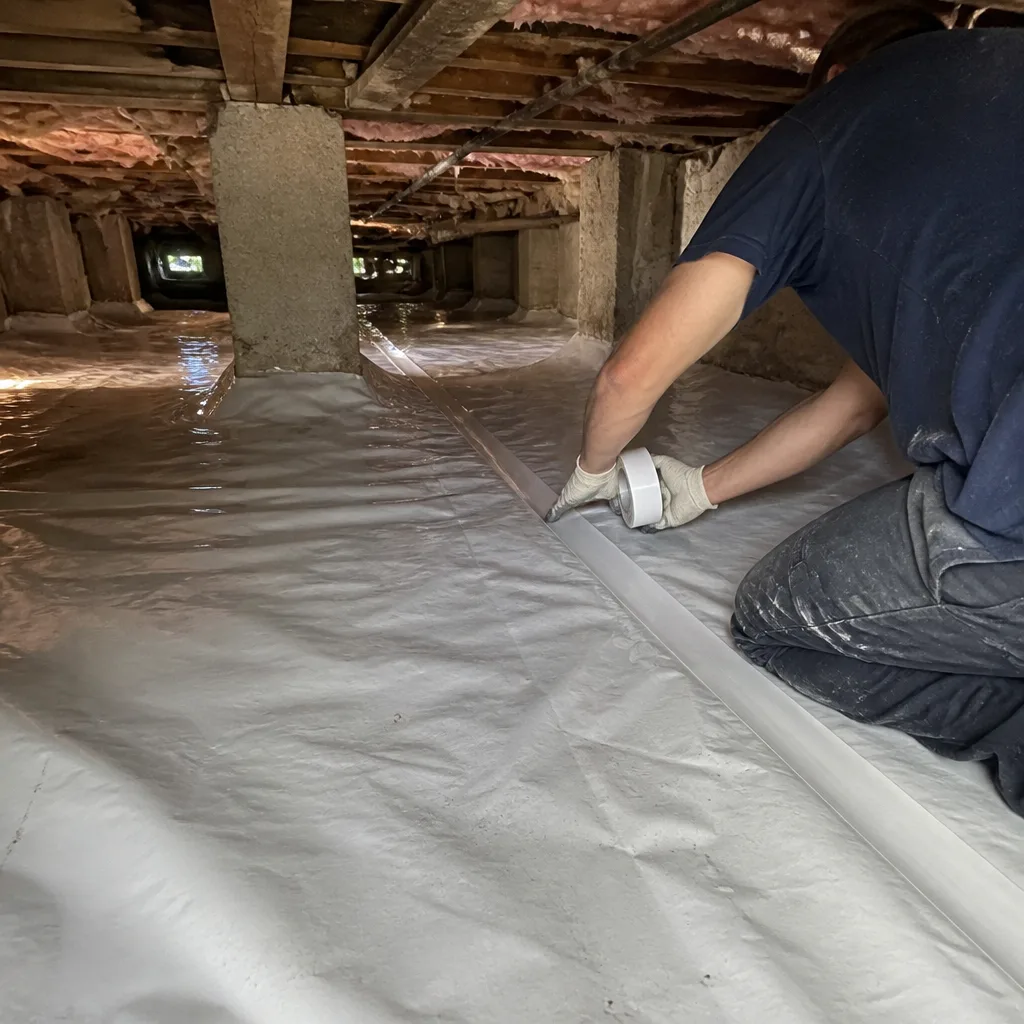
- Hot ceiling patches in the afternoon. The radiant barrier’s reflective surface has degraded or the Icynene layer has pulled away from the roof deck, creating gaps where infrared heat transfers directly through. In Buena Park’s inland climate, roof deck temperatures regularly hit 140-160°F in July; even a 5% gap in coverage creates noticeable hot spots.
- AC runs continuously from 2 PM to 8 PM. Your cooling load has increased because the radiant barrier is no longer reflecting solar gain back toward the roof. The Icynene foam itself may be intact, but if the reflective substrate has oxidized or collected dust, it’s acting more like a dark surface than a mirror.
- Insulation that looks yellowed or shrunken. Icynene open-cell foam can degrade when exposed to sustained heat above 180°F, which happens in poorly ventilated Buena Park attics. The foam shrinks, pulls from framing, and the radiant barrier attached to it wrinkles or tears.
- Moisture staining on the attic side of drywall. This usually means the radiant barrier was installed with the reflective side facing wrong, or the Icynene application missed a seam. Warm, moist interior air hits the cold roof deck in winter, condenses, and the barrier traps it against the drywall instead of letting it vent.
- Energy bill spikes that don’t match rate increases. Southern California Edison’s baseline territory includes Buena Park, so rate changes are public. If your usage in kilowatt-hours hasn’t changed but your cooling portion has jumped 30-50%, the envelope performance has degraded. We’ve measured attic heat flux increases of 40% on failed radiant barrier jobs near Beach Boulevard.
Replacement Cost & What’s Included
Here’s how pricing breaks down for a typical Buena Park installation:
| Component | Price Range |
|---|---|
| Icynene LD-C-50 open-cell foam (1,500 sq ft attic) | $1,800 - $2,800 |
| Icynene MD-R-200 closed-cell foam (same footprint) | $2,400 - $3,600 |
| Radiant barrier substrate (foil or paint, installed) | $0.85 - $1.40 per sq ft |
| Attic air sealing (top plates, can lights, penetrations) | $400 - $800 |
| Blower-door test (before and after) | Included |
What moves you toward the high end: multiple attic levels, recessed can lights that need fire-rated covers, existing foam that must be removed first, or roof decks with irregular framing that complicate barrier application. What keeps you toward the low end: open attic with clear access, new construction or recent remodel with clean substrate, and no existing material removal.
Every job starts with a written price before any work starts. Under Haven Standard Clause 1, you get a flat price, written scope, and written warranty before anyone lifts a tool. The 365-Day Done Right Promise applies to all completed work. We also provide a Documented Photo Record and, on every radiant barrier job, printed blower-door readings showing CFM50 before and after, plus ACH50 (air changes per hour at 50 pascals) so you can verify the air-sealing result.
DIY or Call Us?
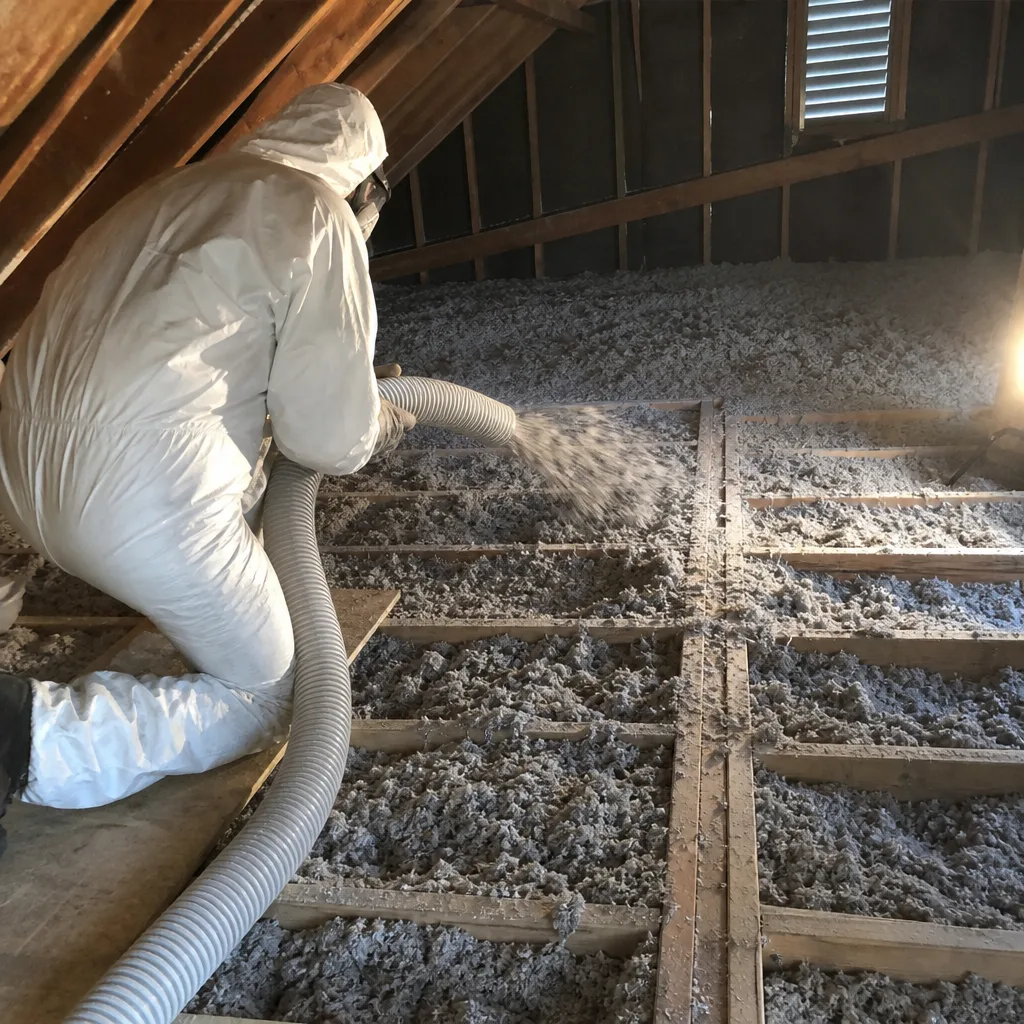
There’s a short list of things a homeowner can safely check. Verify your attic ventilation isn’t blocked, confirm the reflective surface isn’t visibly torn or dusty, and look for any labels from the original installation. That’s about it.
Everything else belongs to someone trained in building science. Icynene foam application requires controlled temperature, humidity, and substrate conditions; the radiant barrier must be installed with precise air gaps and proper orientation (reflective side faces the open attic space, not the roof deck). Get this wrong and you trap moisture, create condensation paths, or void any remaining warranty. The chemicals involved in spray foam also require respiratory protection and containment protocols.
We don’t do scare tactics, but we do see the aftermath. Call (562) 418-5767 and we’ll walk through what you’re seeing. If it makes sense to send a technician, we’ll schedule it. If it’s something you can monitor for now, we’ll tell you that too.
FAQs
In Buena Park’s inland Southern California climate, a properly installed Icynene radiant barrier system should perform for 20-25 years. The foam itself doesn’t settle, but the radiant barrier substrate can degrade faster if attic ventilation is poor; we’ve seen reflective foil lose 30% of its effectiveness in 10 years when attic temperatures regularly exceed 160°F. Call (562) 418-5767 for a free assessment if your system is past 15 years.
Partial repair is possible if the Icynene foam is still well-bonded to the substrate and only the radiant barrier has failed. We can apply new reflective coating or foil over intact foam in sections. If the foam has shrunk, cracked, or pulled away, spot repairs create seams that become thermal bridges; full replacement is the honest recommendation. We stock repair materials on our Buena Park trucks for same-day partial fixes when they’re appropriate.
Most residential jobs in Buena Park are completed in one day, with a second day needed only for large homes over 2,500 square feet or jobs requiring existing material removal. The crew arrives at 8 AM, completes air sealing by noon, applies Icynene and radiant barrier through the afternoon, and runs the post-install blower-door test before leaving. You’ll have your printed report and photo documentation that evening.
We keep Icynene LD-C-50 and MD-R-200 in stock on our Buena Park trucks, along with Reflectix radiant barrier alternatives. For less common formulations or large commercial quantities, we can have material within 48 hours through our distributor. Same-day installation is available for standard residential jobs scheduled before 10 AM.
Written by Wes Okafor, Owner, Topside Attic Insulation Buena Park at Topside Attic Insulation Buena Park, serving Buena Park and nearby areas.