
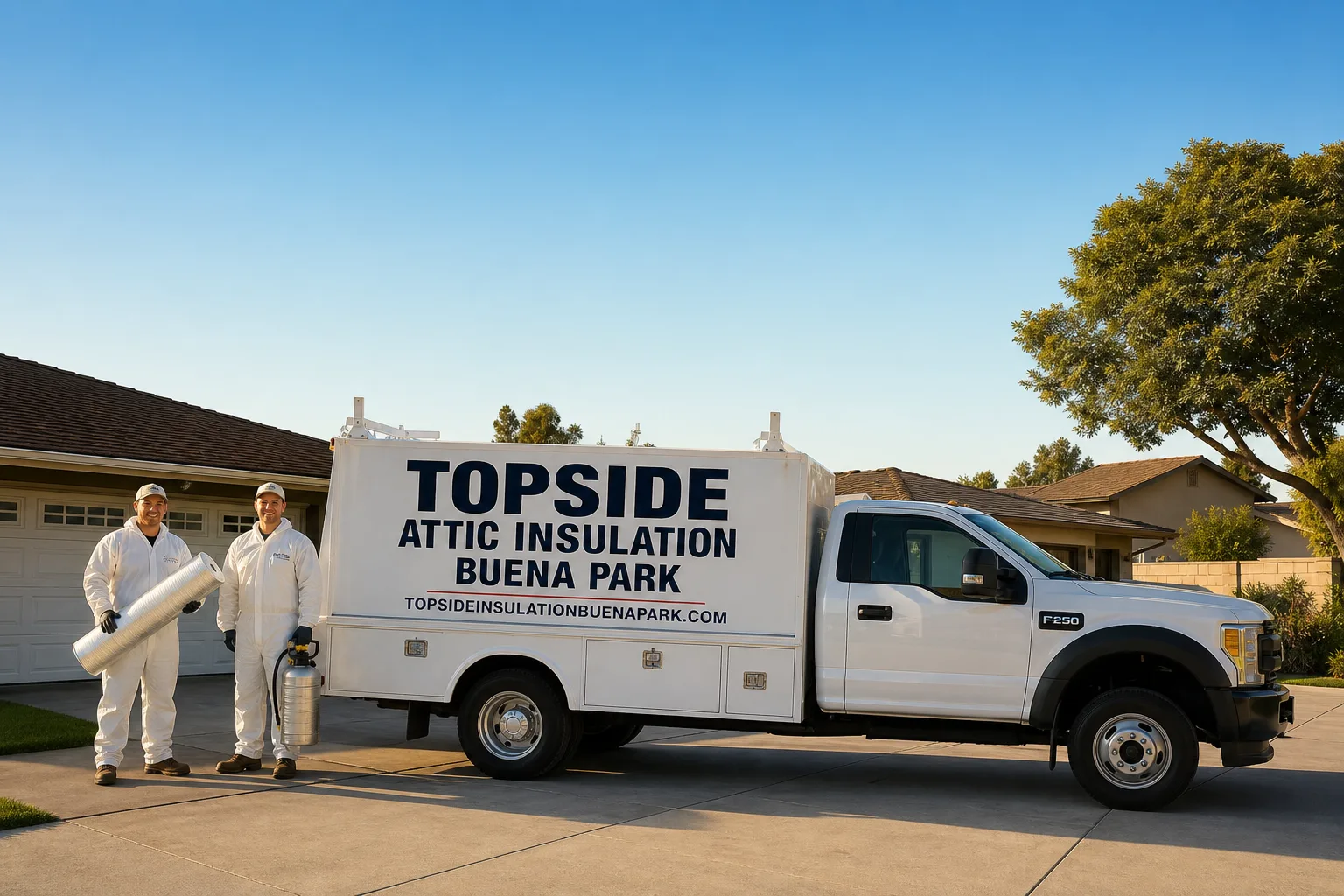
Fast, Reliable Blown-In Insulation Across Stanton
Blown-in insulation in Stanton typically runs $1.80-$3.40 per square foot for attic work and $2.20-$4.50 per square foot for dense-pack wall cavities, with most occupied multifamily retrofits completed in one day. We dispatch crews to Stanton from our Los Angeles office, and our Blown-In Insulation team is familiar with the tight clearances, alley-loaded complexes, and parking constraints that define this city’s 1950s-1970s apartment stock. Call (562) 418-5767 for a written price before any work starts - that’s Haven Standard Clause 1, no exceptions.
Why Topside Attic Insulation Buena Park Is Stanton’s Preferred Blown-In Insulation Company
We’ve worked Stanton’s apartment corridors long enough to know which complexes near Beach Blvd were built with open shared wall cavities and which attic hatches are accessed through closet ceilings. Our crews carry reduced-clearance hose rigs for tight alley staging, and we drill from interior drywall rather than exterior stucco on dense-pack jobs - a detail that matters when you’re trying to keep patch scars off a landlord’s building face.
Our 365-Day Done Right Promise applies to every Stanton job, backed by a written scope and written warranty delivered before anyone lifts a tool. Calls are answered by a live person 24/7, not a voicemail loop. We’ve completed 9,000+ homes since 2016, every one with a written price first and a Documented Photo Record at completion. On applicable jobs, we publish before-and-after blower-door numbers so you can verify the air-sealing result in a single figure - pressurization readings that show exactly how much conditioned air your building envelope was losing before and after our work.
We offer a Free Second Opinion on any written estimate. Bring us a competing quote and we’ll read it with you line by line.
Our Blown-In Insulation Services in Stanton
Blown-In Cellulose
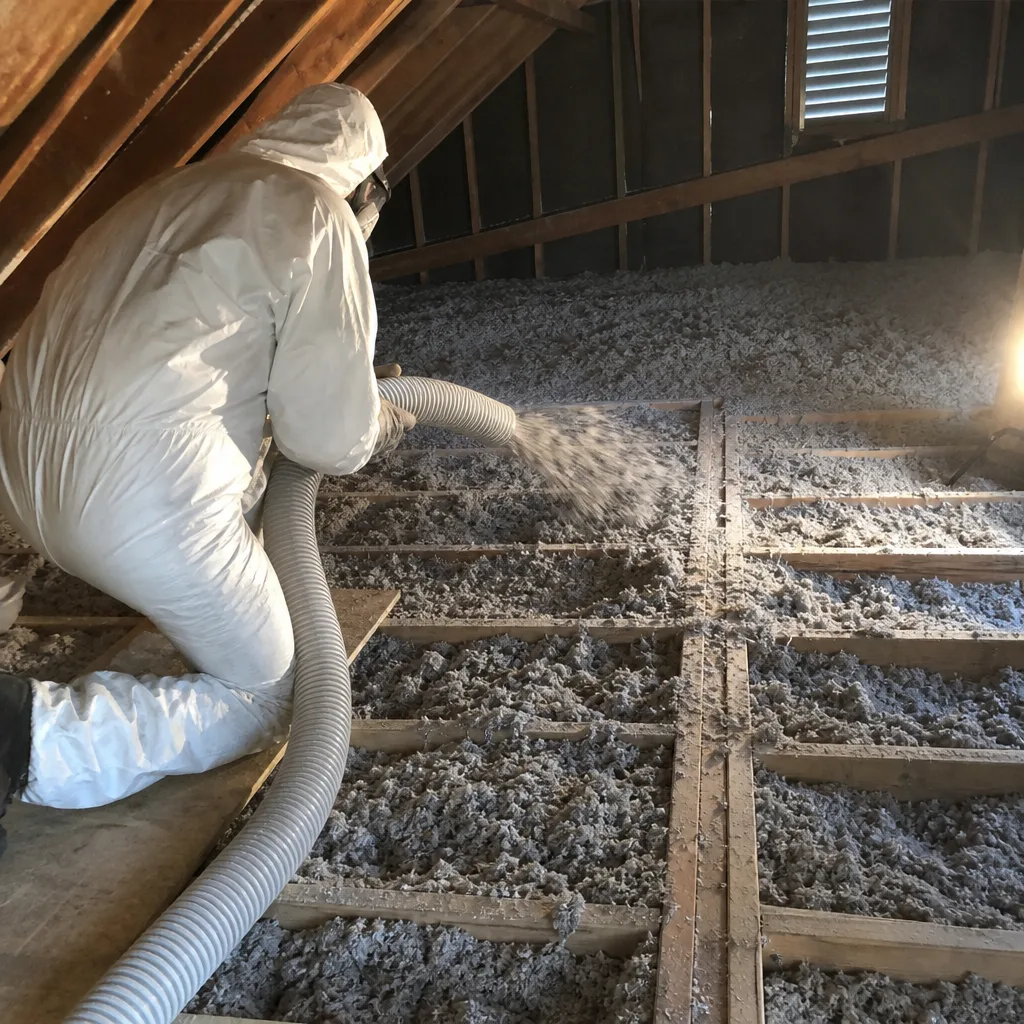
We blow GreenFiber cellulose into Stanton attics and wall cavities, treating the material as a thermal and acoustic solution in this city’s dense rental market. Cellulose settles less than older fiberglass batts and fills irregular framing bays more completely - critical in the 1950s-1970s wood-frame stucco construction that dominates Stanton’s housing stock. Before any insulation goes in, we air-seal top plates, can lights, and penetrations. We don’t blow over unsealed surfaces. On a recent job near Cerritos Ave, our blower-door test read 3,800 CFM50 before sealing and 1,900 after, with the cellulose top-up bringing the attic from an estimated R-11 to R-38.
Blown-In Fiberglass
For attics with active knob-and-tube remediation or where moisture history makes cellulose less suitable, we blow Owens Corning or Johns Manville fiberglass - materials that don’t support mold growth and maintain R-value if briefly damp. Stanton’s inland Climate Zone 8 heat makes attic ventilation especially important with fiberglass; we check soffit and ridge venting before blowing, because an under-vented deck will cook any insulation type and re-expose the thermal bridge you’re paying to fix.
Dense-Pack Wall Insulation
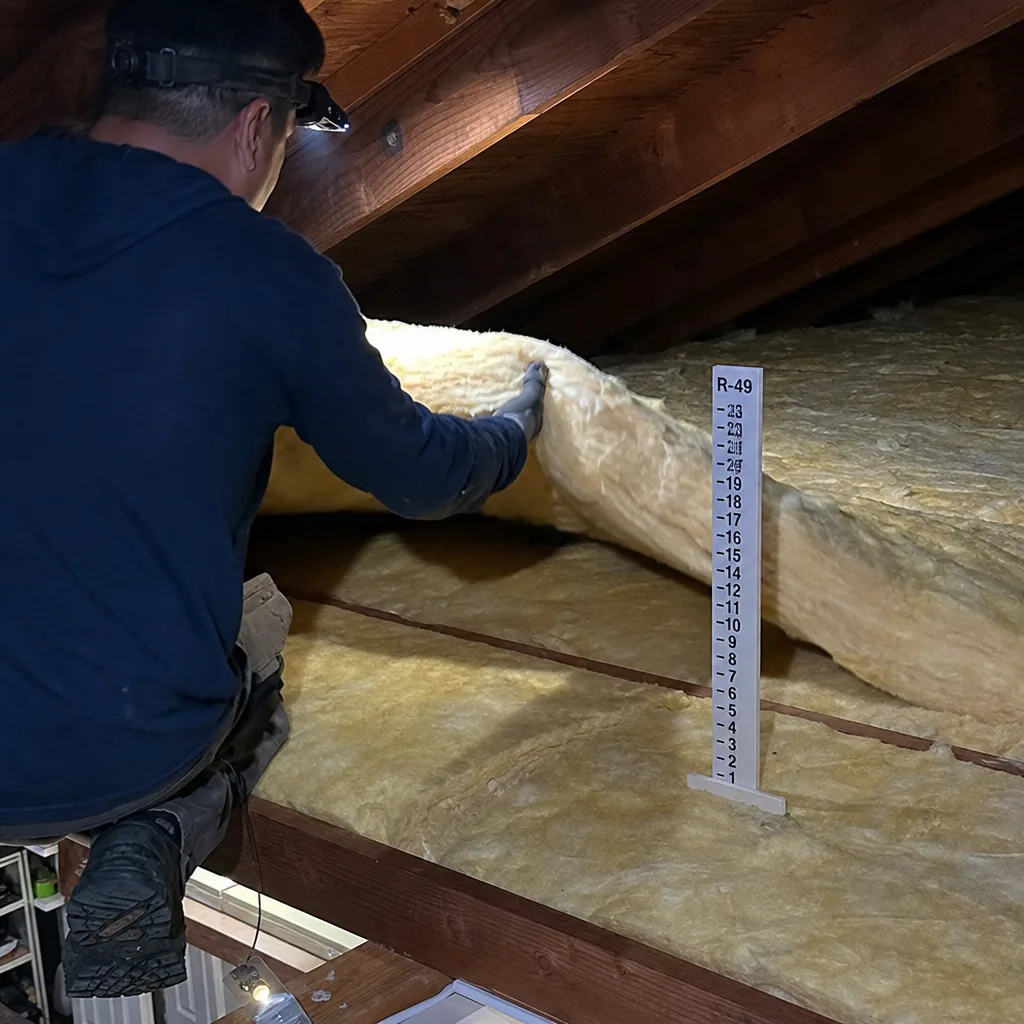
This is our most-called service in Stanton, and it’s not primarily for thermal performance. Because so much of Stanton’s 1950s-1970s stucco apartment stock was built with shared inter-unit wall cavities left completely open, dense-pack cellulose here is bought as much for sound separation between tenant units as for thermal R-value - a dual pitch that almost never surfaces in newer-construction Buena Park or Anaheim. We drill from the interior side of each unit, blow GreenFiber at 3.5-4.0 lbs per cubic foot to eliminate voids, and patch with matched texture. The density blocks both airborne sound and thermal convection. Landlords use our documentation to clear HVAC replacement permits that require AB 802 energy benchmarking compliance.
Blown-In Top-Up
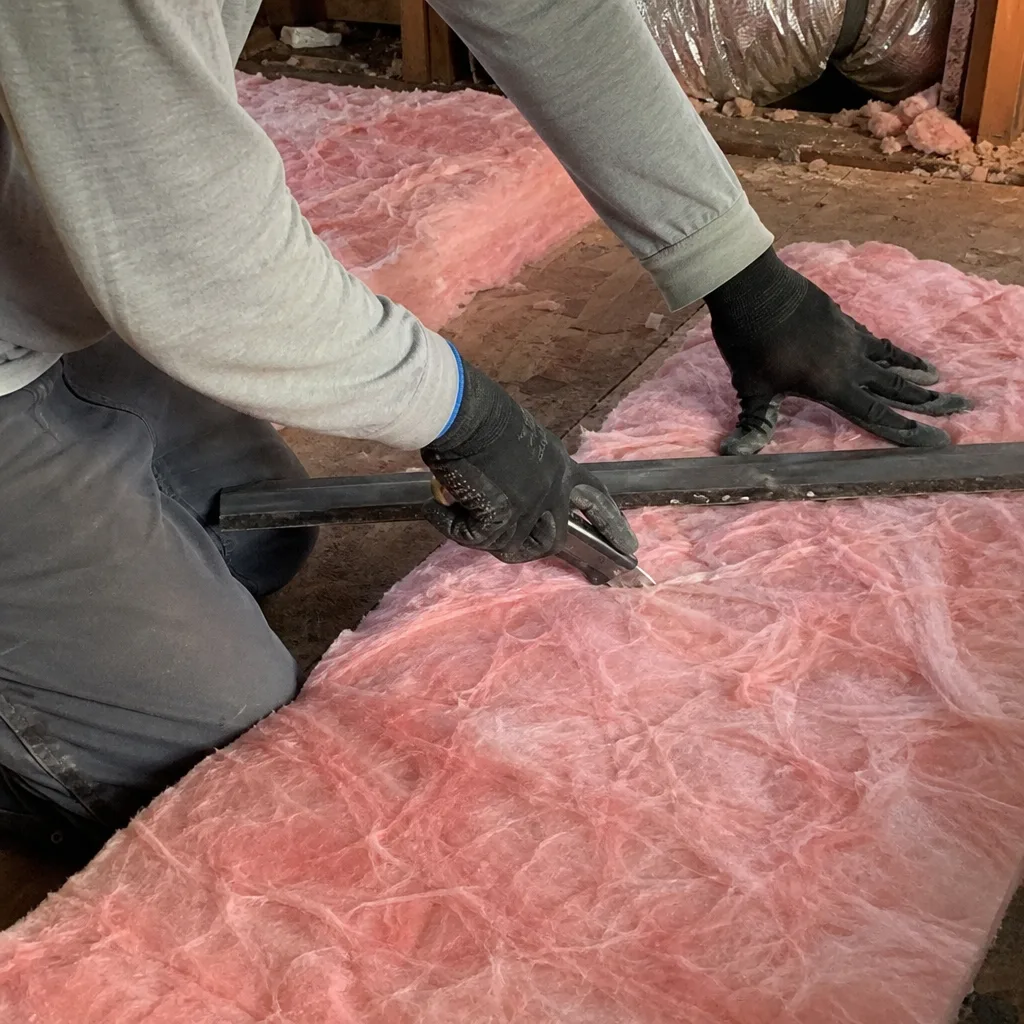
Stanton’s older low-rise apartments frequently have original fiberglass batts flattened by decades of electrical and plumbing work - a compressed mat that new blown-in cellulose bridges over instead of filling. We remove or fluff settled material before topping up, then verify depth with a ruler, not a guess. The result hits R-38 or R-49 target rather than leaving you with an aesthetic layer over a thermal void. Every top-up includes our Documented Photo Record showing before condition, mid-process, and completed depth.
What happens when you call
- 1
A real person answersNo phone trees - you reach a local pro.
- 2
You get an upfront price rangeHonest numbers before anyone is dispatched.
- 3
A background-checked tech heads outLicensed & insured, dispatched right away.
- 4
You approve before work beginsNothing starts until you say go.
Trusted Brands We Service in Stanton
We source blown-in materials from Rockwool, CertainTeed, Icynene, and Demilec among others - no proprietary lock-in that limits your options. For Stanton’s occupied multifamily retrofits, we typically stock GreenFiber cellulose and Owens Corning fiberglass in our Los Angeles warehouse, with same-day or next-morning delivery to job sites near Beach Blvd or Cerritos Ave. If your property manager specifies a particular brand for warranty or LEED compliance, we can source it without upcharging for “special order” delays. The material goes in after air sealing, never before, and you get the product data sheet with your final documentation package.
Common Blown-In Insulation Problems We See in Stanton Homes
- Compressed batts under new blown-in layers. Prior electricians or plumbers in Stanton’s 1950s-1970s complexes have flattened original fiberglass into a dense mat. New cellulose bridges over this instead of filling it, so effective R-value stays well under the R-38/R-49 target even though the attic looks full.
- Exterior stucco drilling on shared wall cavities. When crews drill through stucco instead of interior drywall for dense-pack jobs, they leave visible patch scars on the building face and often miss the cavity center, voiding the sound-attenuation benefit tenants actually paid for. We drill from inside every time.
- Under-vented attic decks cooking new insulation. Climate Zone 8’s inland heat, 8-12°F above coastal Huntington Beach, radiates through poorly vented roof decks common to Stanton’s older low-rise stock. Without adequate soffit and ridge flow, new cellulose sits in a 140°F+ attic and the cooling savings never materialize.
- Open inter-unit cavities mistaken for insulated ones. Stanton’s postwar apartment buildings frequently left shared wall cavities completely empty as a cost measure. Tenants complain of noise and temperature swings; landlords assume HVAC failure when it’s actually envelope failure. Dense-pack resolves both.
Pricing for Blown-In Insulation in Stanton, CA
A typical blown-in attic top-up in a Stanton single-family or duplex runs $1,800-$3,400 for 1,000-1,500 square feet at R-38. Dense-pack wall insulation in occupied multifamily units runs $2,200-$4,500 per unit depending on cavity depth, interior patch count, and whether we stage from alley or driveway. Full attic replacement with air sealing and new blown-in cellulose to R-49 typically falls between $3,200-$5,800 for Stanton’s smaller 1950s-1970s footprints.
| Service | Typical Range in Stanton |
|---|---|
| Blown-In Cellulose Attic (R-38, 1,000 sq ft) | $1,800 - $3,400 |
| Blown-In Fiberglass Attic (R-38, 1,000 sq ft) | $2,000 - $3,600 |
| Dense-Pack Wall Insulation (per unit, occupied) | $2,200 - $4,500 |
| Blown-In Top-Up Over Existing (R-38 to R-49) | $1,400 - $2,800 |
| Full Attic Replacement + Air Sealing (R-49) | $3,200 - $5,800 |
What moves the number: cavity accessibility (closet ceilings vs. hallway access), whether existing material must be removed or can be topped up, ventilation corrections needed, and whether the job requires AB 802 documentation for permit clearance. We deliver a written price before any work starts - always - and our Free Second Opinion applies to any written estimate you’ve already received. Call (562) 418-5767 for exact pricing on your specific building.
We Also Serve Cities Near Stanton
Our crews work Stanton regularly and also handle blown-in insulation in Cypress, Buena Park, Westminster, and Anaheim. Each city’s housing stock and code environment differs - Buena Park’s newer construction rarely needs the occupied multifamily dense-pack workflow that defines our Stanton schedule, while Westminster’s 1980s-1990s tract homes present different attic geometries. We adjust our approach to the actual building, not a template.
Serving Stanton, CA - Our Local Coverage Area
We’re based in the Stanton area and know this community well. Use the map below to see our service coverage - if you’re nearby, we can almost certainly help.
FAQs - Blown-In Insulation in Stanton
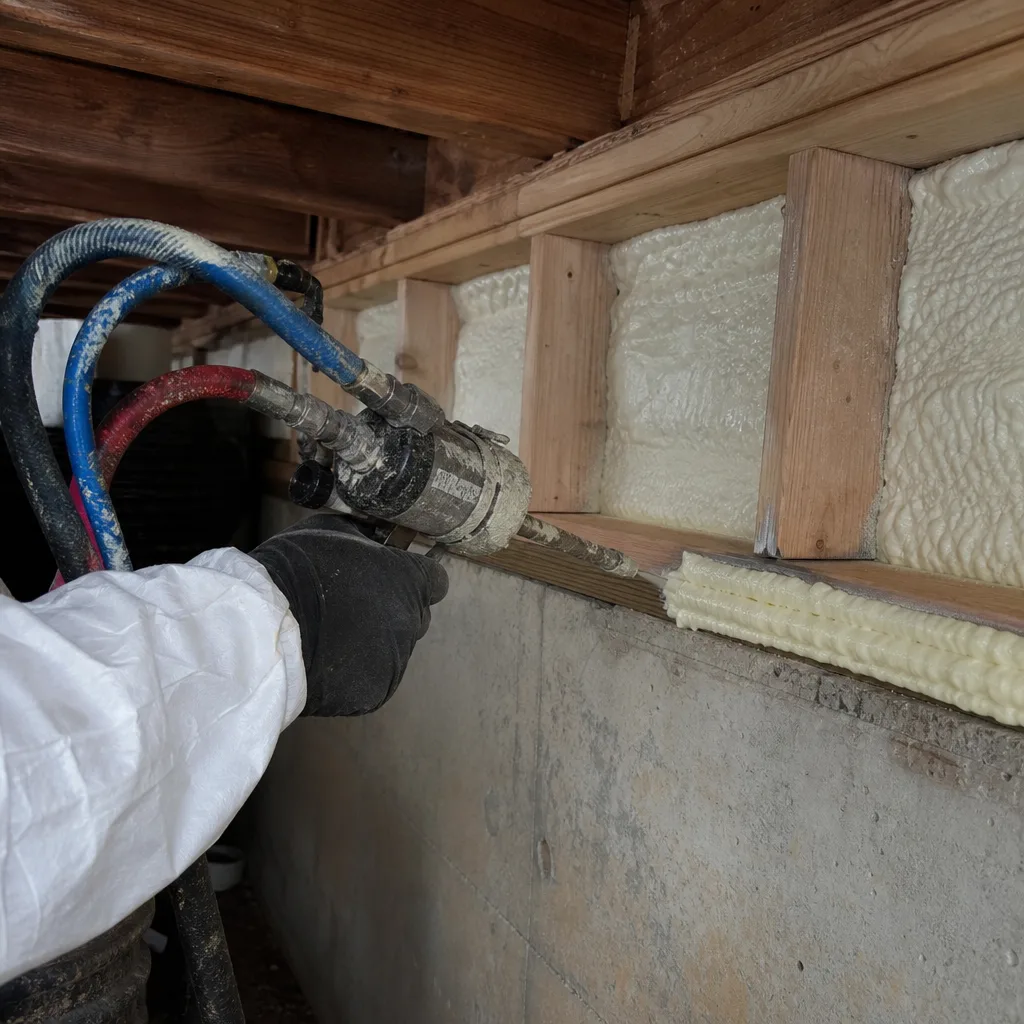
Yes, we complete most occupied dense-pack jobs in Stanton in 4-6 hours per unit with tenants present. We stage hose from the alley when possible to avoid lobby congestion, drill from interior drywall to preserve exterior stucco, and use low-dust cellulose with HEPA-contained collection. Call (562) 418-5767 to schedule a walk-through - estimates are free, and we’ll specify the staging plan in your written scope before work starts.
Your attic insulation is likely below R-19 or has settled/compressed batts with new blown-in material bridging over the gaps rather than filling them. Stanton’s Climate Zone 8 location, 8-12°F warmer than coastal Huntington Beach in summer, turns an under-insulated attic into a radiant heat source that overwhelms your HVAC’s capacity. We verify with a ruler and thermal imaging, then remove or fluff settled material before topping up to R-38 or R-49. Call (562) 418-5767 for a free assessment - we include the Documented Photo Record and before-and-after blower-door numbers on applicable jobs.
Yes, dense-pack cellulose at 3.5-4.0 lbs per cubic foot in shared wall cavities reduces airborne sound transmission significantly - TV voices, music, and conversation - though it won’t eliminate impact noise from structural vibration. On a 1964 wood-frame stucco fourplex near Beach Blvd and Cerritos Ave, we ran dense-pack cellulose into open shared wall cavities while the building stayed occupied, using a reduced-clearance hose run staged from the alley rather than the front walk. Our tech drilled from the interior side of each unit to avoid the stucco, then blew GreenFiber cellulose behind the original settled fiberglass. Residents reported between-unit TV and footstep noise dropped alongside summer heat gain. Call (562) 418-5767 to check if your building’s cavities are accessible for dense-pack.
AB 802 energy benchmarking and local permit preconditions increasingly require documentation that a Stanton building’s envelope meets minimum thermal performance before HVAC replacement is approved. We provide a written assessment with blower-door readings, insulation depth verification, and a scope of work to bring the building into compliance - typically dense-pack wall work and/or attic top-up. The documentation goes directly to your permit application. Call (562) 418-5767; we’ll read the permit requirement with you and deliver a written price for any needed retrofit work.
Alley access is preferred but not required - we carry reduced-clearance hose rigs that stage in carports, covered walkways, or even interior hallways when exterior space is limited. For Stanton’s denser complexes near Cerritos Ave or Beach Blvd, we survey the path during our free estimate and specify the staging plan in your written scope. No surprises on move-in day. Call (562) 418-5767 to schedule a site review.
Written by Wes Okafor, Owner at Topside Attic Insulation Buena Park, serving Stanton since 2016.