
Icynene Vapor Barrier Installation: The Buena Park Owner’s Guide
Most Icynene vapor barrier installations in Buena Park run between $1,800 and $3,400 for a typical 1,200-2,000 square foot crawl space or attic floor, and we stock the 6-mil and 10-mil reinforced polyethylene sheeting plus seam tape and mastic on our trucks for same-day starts. Homeowners usually figure out something’s wrong when they notice musty smells returning after a dry winter, or when their energy bills spike despite the spray foam doing its job above. The vapor barrier sits underneath or in contact with the Icynene layer in many hybrid systems, and when it tears, separates at seams, or was never properly sealed to begin with, moisture migrates straight back into the conditioned envelope.
Which Icynene Models This Applies To
Icynene’s open-cell (LD-C-50, LD-R-50) and closed-cell (MD-C-200, H2Foam Lite) lines are often paired with a supplemental vapor barrier in Buena Park’s mixed-humidity climate, especially in crawl space encapsulations and attic floor applications where code requires a Class I or II vapor retarder beneath the insulation plane. The part you need isn’t branded “Icynene” - Icynene manufactures the foam, not the polyethylene - so compatibility comes down to mill thickness, permeance rating, and how the barrier interfaces with your specific foam depth and substrate.
Check your original installation paperwork for the vapor barrier spec: 6-mil clear poly is common in vented crawl spaces, while 10-mil woven reinforced or 12-mil string-reinforced gets used in conditioned crawl spaces and where foot traffic is expected. The critical gotcha in Buena Park’s older tract homes near the 91 corridor: some Icynene contractors in 2016-2019 used 4-mil builder-grade poly as a cost shortcut, which degrades in 3-5 years under our UV exposure and temperature swings. We stock 10-mil Stego Wrap and 15-mil VaporBlock equivalents on the truck, both compatible with Icynene systems, and we seam-seal with 4-inch acrylic tape rather than the cheap cloth tape that turns to goo in summer attic heat.
OEM versus aftermarket? There is no Icynene-branded vapor barrier - anyone claiming otherwise is selling you a relabeled roll. We source from the same industrial suppliers the big foam distributors use, just without the markup.
Signs Your Icynene Vapor Barrier Installation Is Failing
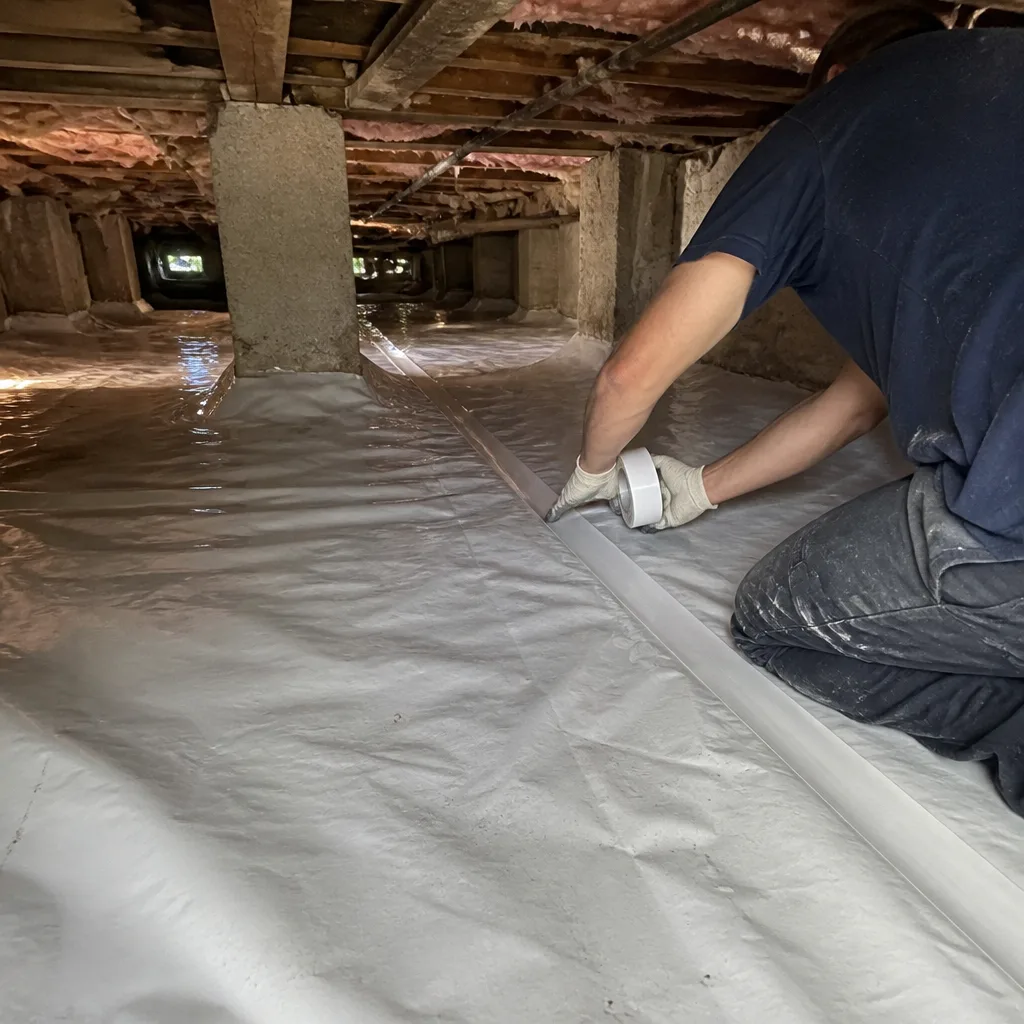
- Condensation beading on the underside of the Icynene foam. This means your vapor barrier has torn or pulled away at the perimeter, letting soil moisture or crawl space humidity reach the cold surface of the foam. In Buena Park’s clay-heavy soils near the Coyote Creek drainage, groundwater wicks upward aggressively; a compromised barrier shows itself first as wet spots on the foam’s bottom face.
- Musty odor returning after the rainy season. Icynene itself doesn’t harbor mold, but the organic dust that settles on a wet vapor barrier does. If you sealed a crawl space in 2019 and now smell earthiness again, the barrier’s seam tape has likely failed or rodents have torn access holes we need to patch.
- Soft or spongy spots in the vapor barrier surface. In conditioned crawl spaces where the barrier serves as the walking surface, 6-mil poly develops pinholes and tears from storage traffic, HVAC tech visits, and pest activity. The 10-mil woven product we install holds up to routine maintenance access.
- White powder or efflorescence on the barrier surface. This is mineral salts left behind as moisture evaporates through gaps in the seal - a telltale sign that the barrier isn’t continuous. It’s common in Buena Park’s pre-1980s slabs where the original poly was lapped but never taped at seams.
- Energy bills climbing despite unchanged thermostat settings. A failed vapor barrier raises the effective humidity in the crawl space or attic, which makes your HVAC work harder to dehumidify. The Icynene above is still insulating, but the assembly is no longer performing as designed because moisture is carrying heat across the gap.
Replacement Cost & What’s Included
| Scope | Typical Range in Buena Park |
|---|---|
| Standard crawl space, 1,200-1,800 sq ft, 10-mil barrier, seam-sealed | $1,800 - $2,600 |
| Large crawl space or attic floor, 2,000+ sq ft, 15-mil reinforced | $2,800 - $3,400 |
| Perimeter wall sealing (parged, taped, or fastened to stem wall) | $400 - $800 additional |
| Dehumidifier tie-in or condensate pump routing | $350 - $650 additional |
What moves the number: accessibility (how much headroom we’re working in), whether the old barrier needs complete removal or can be overlaid, and whether we find unsealed penetrations that should have been addressed in the original Icynene install. Every job gets a Written Price Before Any Work Starts under Haven Standard Clause 1 - flat price, written scope, written warranty before anyone lifts a tool. The 365-Day Done Right Promise covers our vapor barrier workmanship, and you’ll receive a Documented Photo Record showing the sealed seams and perimeter attachment before we close up.
DIY or Call Us?
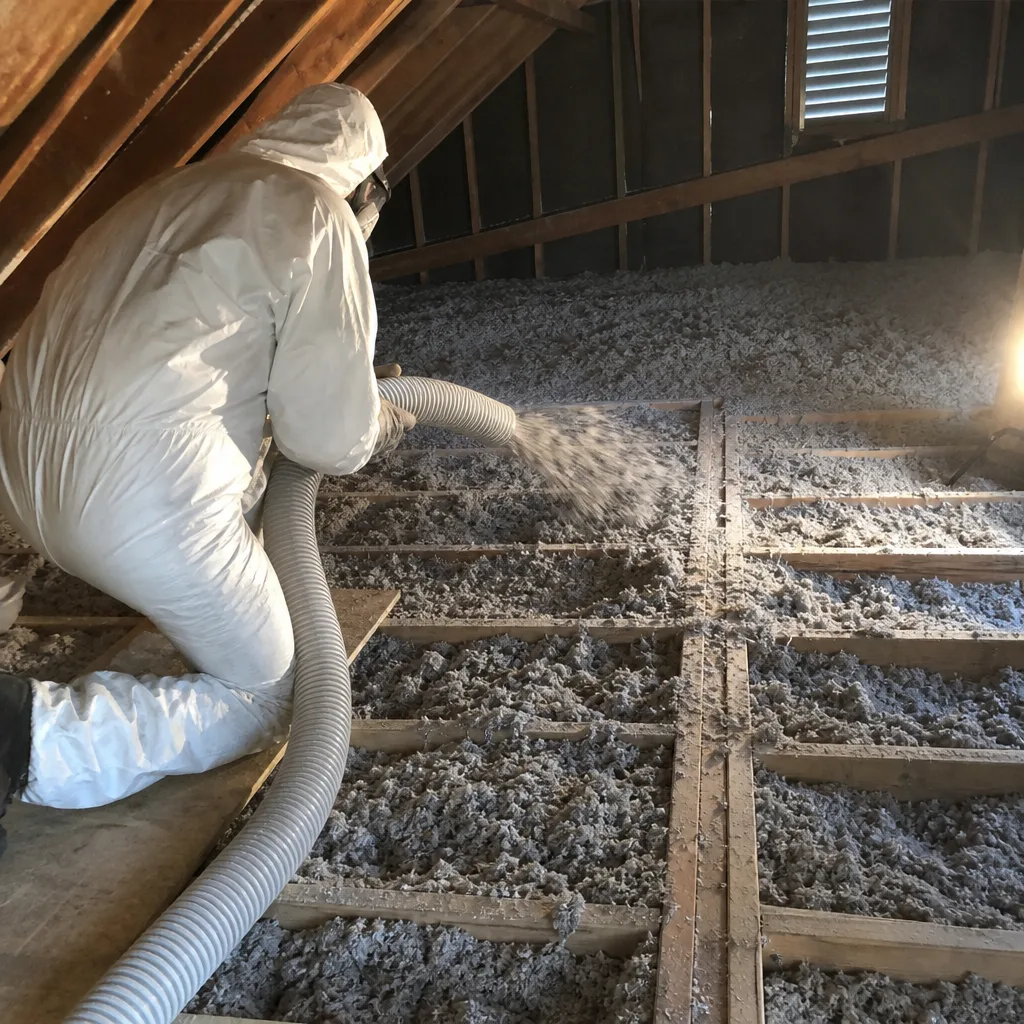
You can safely check a few things yourself. Look for the original install date on any paperwork, shine a flashlight across the barrier surface to catch tears or pooling, and sniff near the access hatch for mustiness. What you can’t safely assess: whether the Icynene foam itself is wet above the barrier (disturbing saturated foam can release trapped moisture into your living space), whether your crawl space needs active dehumidification beyond the barrier fix, and whether the stem wall perimeter is properly sealed to code - a detail most homeowners miss until an inspector flags it on resale.
We’re not affiliated with Icynene - we’re an independent service provider - and we won’t upsell you foam you don’t need if the barrier is the actual problem. Call (562) 418-5767 and we’ll read your situation with you, no charge for the conversation.
FAQs
A properly installed 10-mil woven barrier with taped seams should last 15-20 years in Buena Park’s climate, though the 4-6 mil builder-grade poly some original installers used often fails in 3-5 years from UV degradation in attic applications and mechanical wear in crawl spaces. Call (562) 418-5767 for a free assessment of what you’re actually working with.
Patching works for isolated tears smaller than a dinner plate using compatible polyethylene tape, but widespread seam failure, embrittlement, or undersized original material means replacement - patches on failing poly are temporary and you’ll pay twice. We give honest guidance on which path makes sense during our free estimate.
Most residential crawl spaces in Buena Park take one day for removal and replacement, or two days if we’re also sealing perimeter walls and routing condensate lines; attic floor applications typically run a single day. We arrive with the material on the truck and leave with the Documented Photo Record in your inbox.
Yes - 6-mil, 10-mil woven, and 15-mil reinforced polyethylene, plus 4-inch acrylic seam tape and two-part mastic for stem wall sealing, are on our trucks daily. We also stock Reflectix radiant barrier products for hybrid systems where the original design combined foam with reflective insulation. Same-day starts are available when you call (562) 418-5767 before noon.
Seal the leaks first. Then insulate. The numbers on the report will tell you whether it worked.
Topside Attic Insulation Buena Park is independently owned and operated under The Haven Standard since 2016. We’ve sealed and insulated 9,000+ homes, every one with a written price before work started and a documented record when the crew left. Materials sourced from Owens Corning, Johns Manville, Knauf, Rockwool, CertainTeed, Icynene, Demilec, and GreenFiber - no proprietary lock-in.
Ready to fix what’s actually failing? Call (562) 418-5767 for a free estimate. A live person answers 24/7, and we’ll bring a written price before any work starts - always.
Written by Wes Okafor, Owner, Topside Attic Insulation Buena Park at Topside Attic Insulation Buena Park, serving Buena Park and nearby areas.