
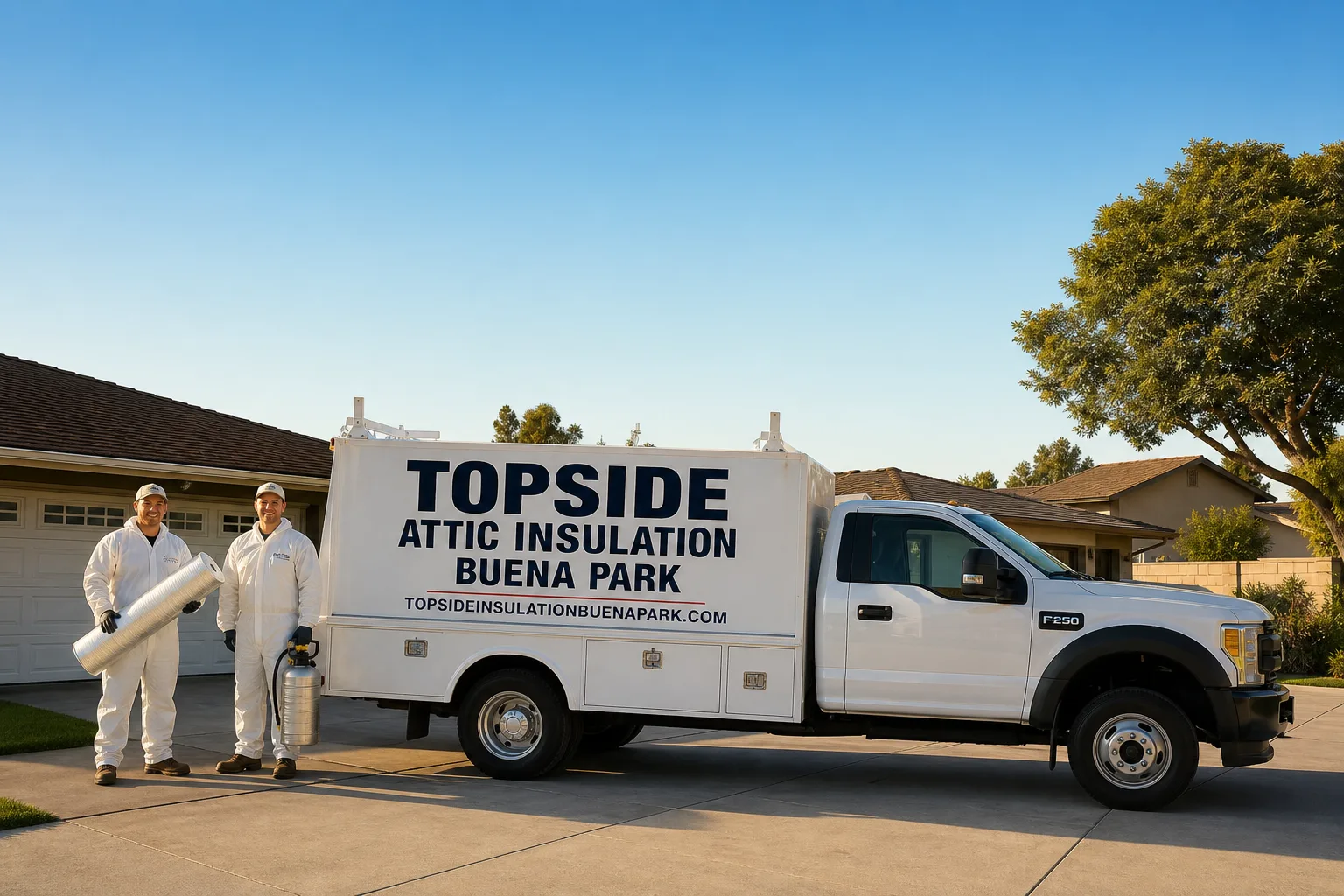
Fast, Reliable Blown-In Insulation Across Seal Beach
Blown-in insulation in Seal Beach typically costs $1,800-$4,200 for a standard attic top-up or wall retrofit, with most jobs scheduled within 48 hours of your written estimate. We dispatch crews to Seal Beach from our Los Angeles office, and we’re familiar with the two distinct housing markets here: the 1920s-1950s cottages of Old Town and the Mutual-governed co-op buildings of Leisure World. Call (562) 418-5767 for a free written estimate with upfront pricing - no work starts without it.
Why Topside Attic Insulation Buena Park Is Seal Beach’s Preferred Blown-In Insulation Company
We’ve completed blown-in insulation work across Seal Beach since 2016, from the salt-weathered bungalows along Ocean Avenue to the multi-story Mutual buildings off Seal Beach Boulevard. Our Blown-In Insulation in Seal Beach customers receive the same documentation package every time: a written price before anyone lifts a tool, a Documented Photo Record of the completed work, and on applicable jobs, before-and-after blower-door numbers that show exactly how much conditioned air the home stopped losing.
Our response time to Seal Beach averages 24-48 hours for standard appointments, with same-day availability for urgent situations like failed insulation discovered during a home sale inspection. We know the local building department’s requirements and, critically, we understand Leisure World’s Mutual governance structure - a workflow layer that out-of-area contractors routinely miss.
The 365-Day Done Right Promise applies to every Seal Beach job. If it’s not done right, we make it right. That’s Haven Standard Clause 3, and it’s in writing before the crew arrives.
Our Blown-In Insulation Services in Seal Beach
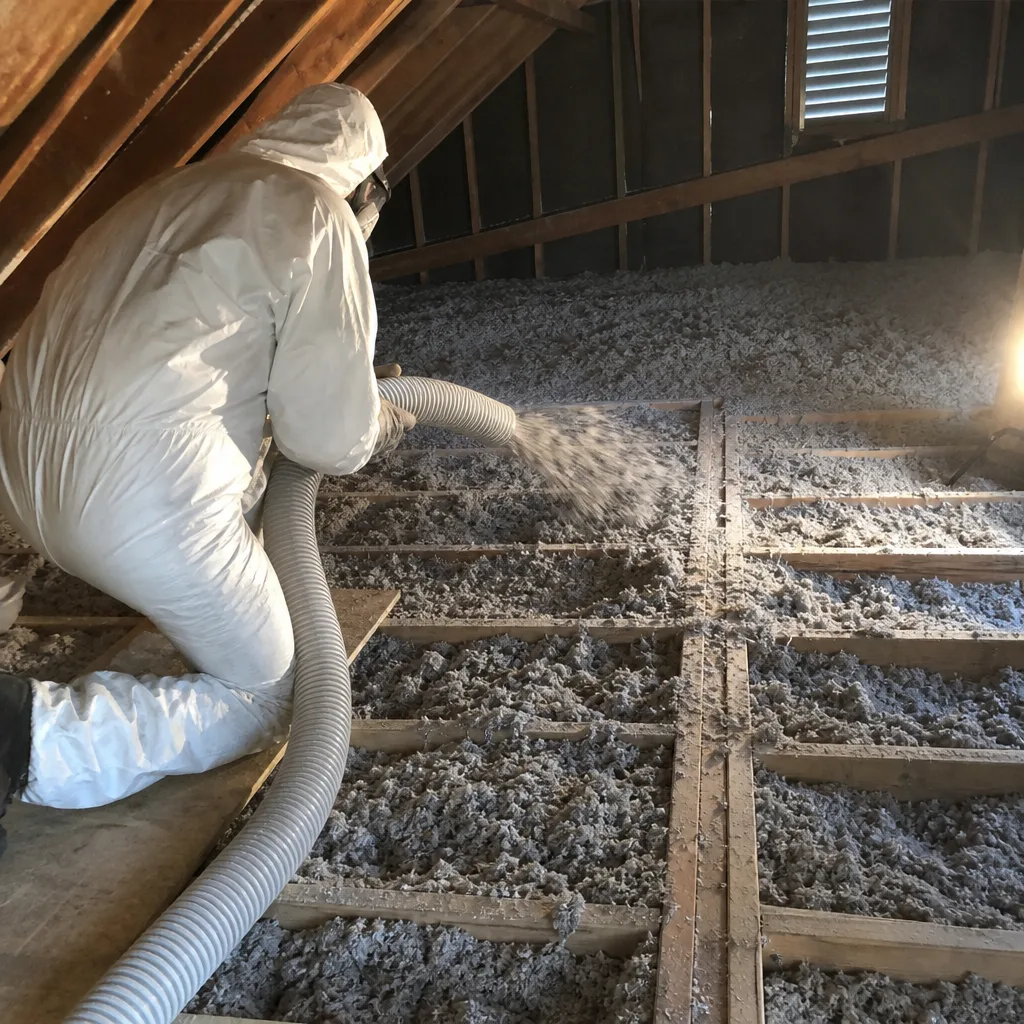
Blown-In Cellulose
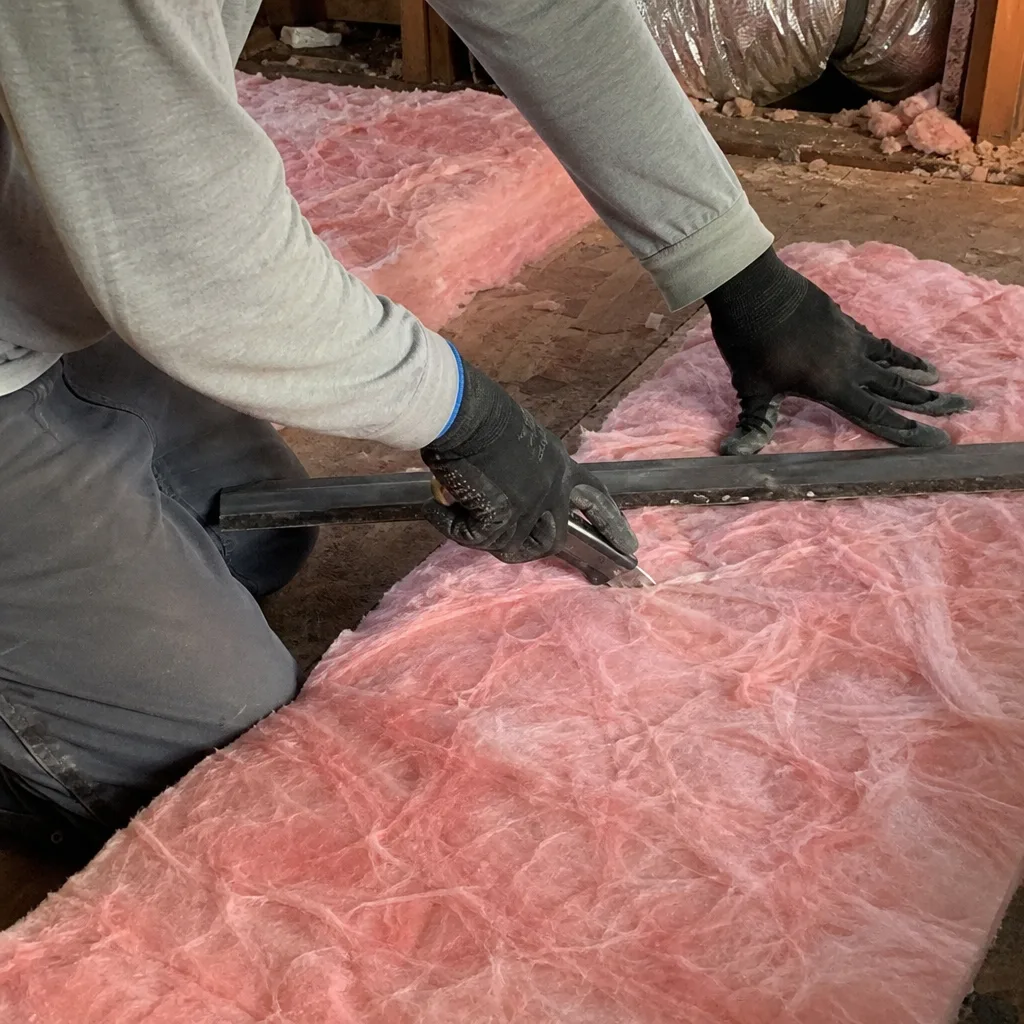
We install GreenFiber cellulose in Seal Beach attics and wall cavities where moisture management is critical. Cellulose handles Seal Beach’s persistent marine layer better than fiberglass when proper vapor control is in place - the material’s slight density advantage slows air movement through the cavity. In Old Town cottages with wood-framed walls exposed to decades of salt air, we pair cellulose with targeted air sealing of top plates and penetrations before blowing. Our Blown-In Insulation team never installs over an unsealed attic floor; that’s Haven Standard Clause 2.
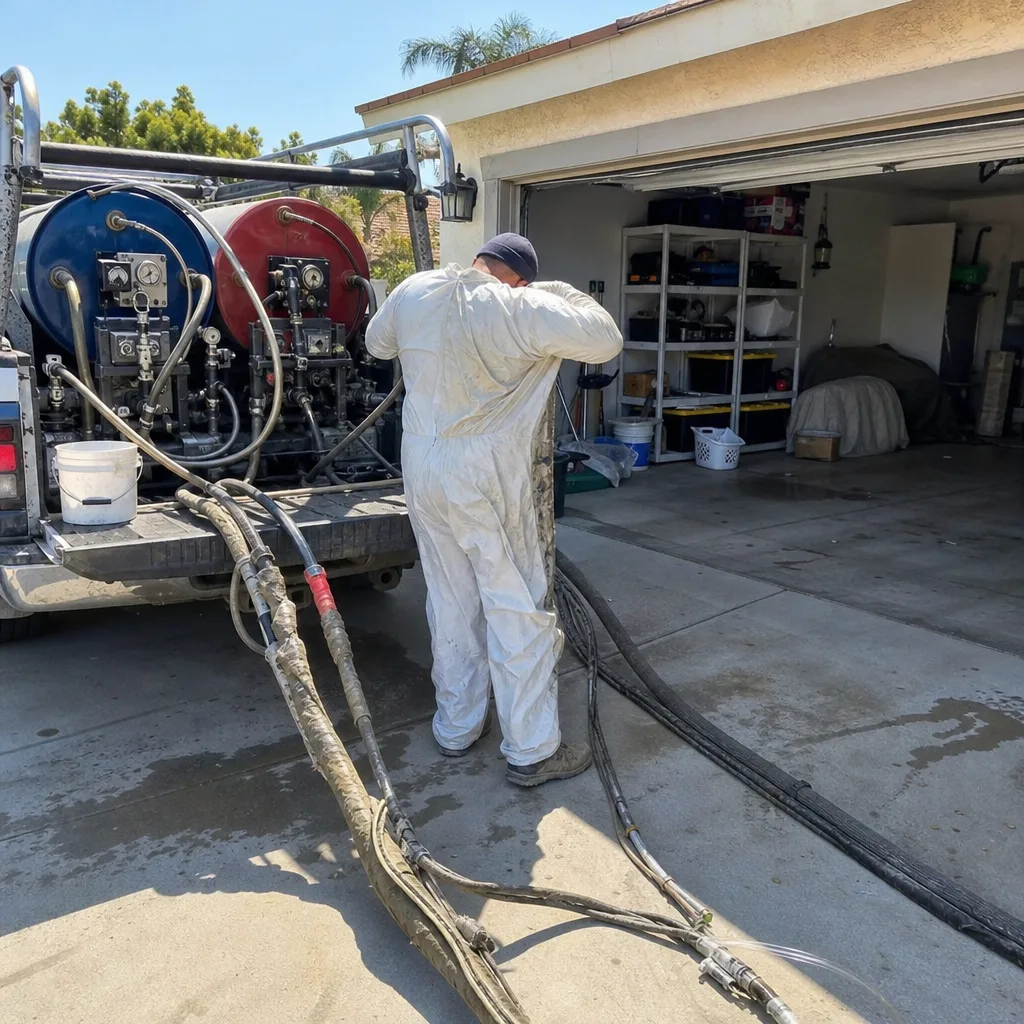
Blown-In Fiberglass
Owens Corning blown-in fiberglass is our go-to for attic top-ups in Seal Beach’s Leisure World co-ops, where the Mutual board’s architectural review often specifies non-settling materials with documented R-value stability. Fiberglass doesn’t absorb moisture the way open-cell products can, which matters in a climate where the marine layer rolls in heavy enough to measure. We typically top Leisure World attics to R-49, the current Title 24 target for Orange County, and we photograph every hose placement for the Documented Photo Record.
Dense-Pack Wall Insulation
Dense-pack is the only viable blown-in method for many Seal Beach homes. In Old Town’s 1920s-1950s cottages, the wall cavities are narrow, irregular, and often partially obstructed by decades of retrofit wiring and plumbing. Standard loose-fill blown-in would settle and leave gaps; dense-pack cellulose, installed at 3.5 pounds per cubic foot, fills the cavity completely and won’t sag. In Leisure World’s 1960s co-op buildings, the concrete and steel framing leaves few accessible cavities, so we adapt our dense-pack equipment for injection through limited access points - a technique standard blown-in crews without co-op experience often don’t anticipate.
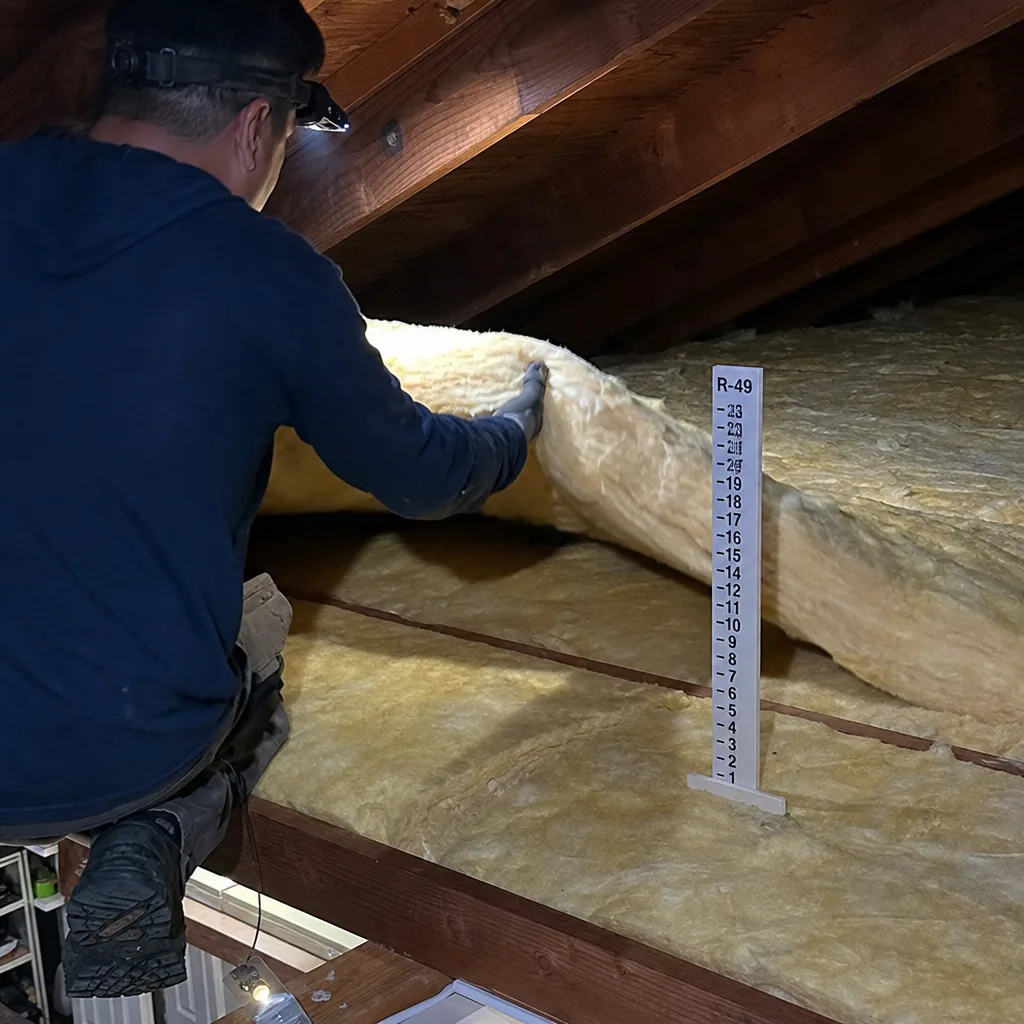
Blown-In Top-Up
Seal Beach homeowners call us for top-ups when the original insulation has compressed below its labeled R-value or when a blower-door test reveals excessive attic bypass. We see this frequently in Leisure World units left empty by snowbird residents - the marine layer works on the attic envelope for months with no conditioned air cycling through to dry it out. Our crew was called to a 1962 Leisure World Mutual 12 co-op unit in Seal Beach where a snowbird resident had left the home unoccupied for eight months and returned to find the original attic insulation compacted and damp from the marine layer. We submitted the architectural documentation to the Mutual board, waited out the 3-week approval, then dense-packed the exterior wall cavities with GreenFiber cellulose and topped up the attic to R-49 using Owens Corning blown-in fiberglass - leaving the unit with a stable thermal envelope that will hold through the next empty season.
What happens when you call
- 1
A real person answersNo phone trees - you reach a local pro.
- 2
You get an upfront price rangeHonest numbers before anyone is dispatched.
- 3
A background-checked tech heads outLicensed & insured, dispatched right away.
- 4
You approve before work beginsNothing starts until you say go.
Trusted Brands We Service in Seal Beach
We source blown-in materials from Owens Corning, Johns Manville, Knauf, and GreenFiber - no proprietary lock-in that limits your options. For Seal Beach’s marine-layer conditions, we specify products with published moisture-sorption ratings and vapor-permeance data, not marketing claims. Our Los Angeles office stocks common blown-in densities and hose configurations, so most Seal Beach jobs don’t wait on material delivery. If a Leisure World Mutual board specifies a particular brand in its architectural guidelines, we document compliance in the photo record and note it on the final invoice.
Common Blown-In Insulation Problems We See in Seal Beach Homes
- Mutual board work stoppages. Leisure World Mutual boards halt work mid-job when contractors skip the required architectural submission - leaving open wall cavities and incomplete blown-in runs exposed to Seal Beach’s heavy marine air. We build the 2-4 week approval wait into every Leisure World bid.
- Marine-layer moisture absorption in Old Town cottages. Open-cell blown-in insulation in Old Town’s 1920s slab-on-grade cottages absorbs coastal humidity when vapor control is omitted, creating mold in wall cavities despite Seal Beach’s mild temperatures rarely demanding heating or cooling.
- Inaccessible cavities in 1960s co-op buildings. Aging 1960s Leisure World co-op buildings have inaccessible wall cavities that reject standard blown-in without injection adaptation - crews unfamiliar with the building type leave gaps that defeat the retrofit entirely.
- Compacted attic insulation in snowbird units. Unoccupied Leisure World units see attic insulation compress under months of marine-layer exposure with no internal air circulation, dropping effective R-value by 30-50 percent before the resident returns.
Pricing for Blown-In Insulation in Seal Beach, CA
Most blown-in insulation jobs in Seal Beach fall in these ranges:
| Service | Typical Range |
|---|---|
| Attic top-up (1,000-1,500 sq ft) | $1,800-$2,800 |
| Full attic replacement with air sealing | $3,200-$4,800 |
| Dense-pack wall insulation (per 1,000 sq ft of wall) | $2,400-$3,600 |
| Leisure World Mutual board submission + dense-pack retrofit | $3,800-$5,400 |
Leisure World jobs run higher because of the architectural documentation, board submission, and extended timeline - not because the insulation itself costs more. Every Seal Beach estimate includes the written price, the written scope, and the written warranty before anyone starts. Bring us a competing written estimate and we’ll give you a Free Second Opinion, line by line. Call (562) 418-5767 to schedule.
We Also Serve Cities Near Seal Beach
Our crews work Seal Beach regularly and also handle blown-in insulation in Cypress, Westminster, Huntington Beach, and Stanton. Each city has different housing stock and different building department requirements; we don’t copy-paste bids across zip codes.
Serving Seal Beach, CA - Our Local Coverage Area
We’re based in the Seal Beach area and know this community well. Use the map below to see our service coverage - if you’re nearby, we can almost certainly help.
FAQs - Blown-In Insulation in Seal Beach
Yes - every Leisure World Mutual has its own board that must approve architectural changes, including insulation retrofits, before work begins. The approval process typically takes 2-4 weeks and requires detailed documentation of materials, methods, and crew access plans. We prepare and submit this paperwork as part of our standard Leisure World bid; skipping it risks a mid-job work stoppage by the co-op corporation. Call (562) 418-5767 and we’ll walk you through your Mutual’s specific requirements.
Dense-pack wall insulation resists settling and fills irregular cavities completely, which standard loose-fill blown-in cannot do in Old Town’s 1920s-1950s framing. These cottages have narrow stud bays, decades of retrofit obstructions, and wood-framed walls fully exposed to salt air that has warped and shrunk the original lumber. Dense-pack cellulose at 3.5 pounds per cubic foot bridges these irregularities and maintains its R-value; loose-fill would sag within months and leave thermal bypasses. Call (562) 418-5767 for a wall cavity assessment.
Yes, if the job includes proper air sealing and vapor-appropriate materials - which our Haven Standard requires on every Seal Beach attic job. We specify Owens Corning blown-in fiberglass or properly vapor-controlled cellulose, never open-cell products that absorb marine moisture. The blower-door test before and after documents that the envelope is tight enough to prevent uncontrolled humid air infiltration during vacancy. Call (562) 418-5767 to discuss your absence schedule and we’ll specify accordingly.
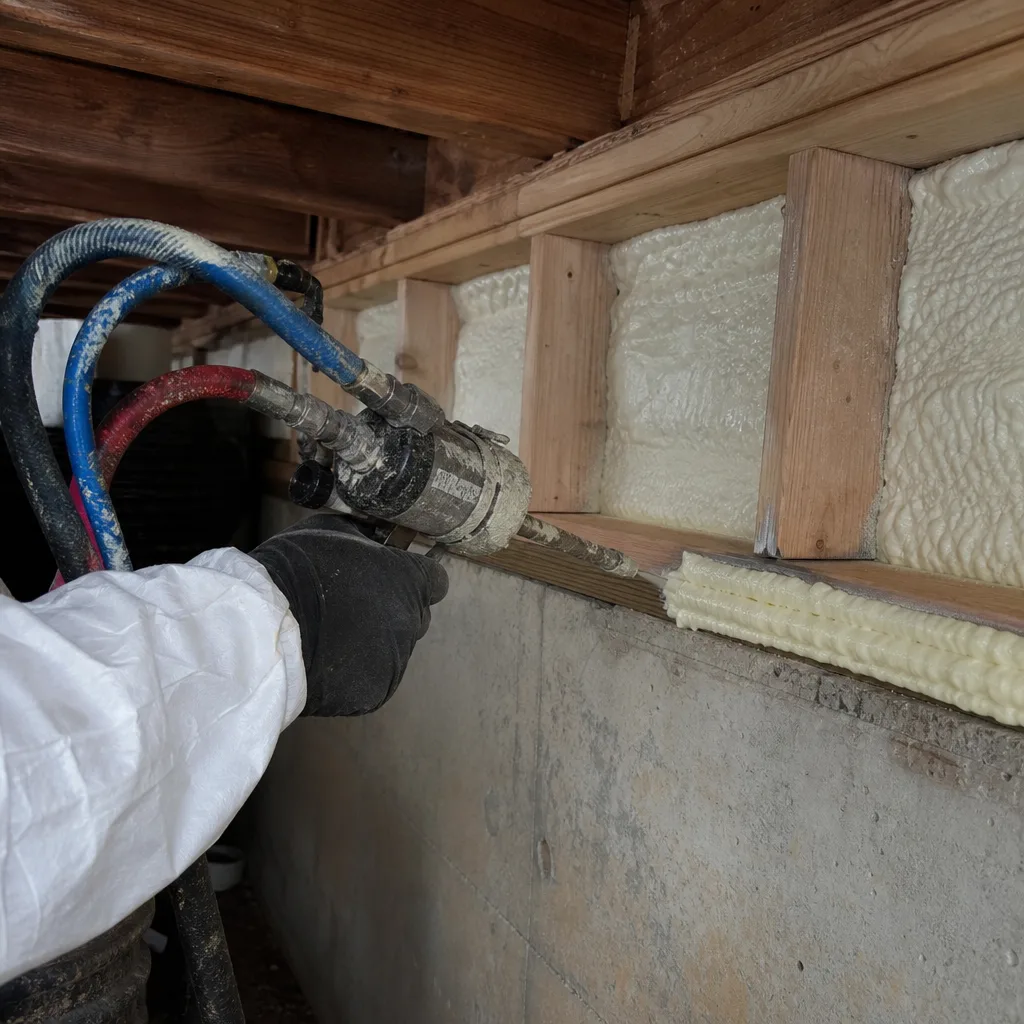
Owens Corning blown-in fiberglass and GreenFiber cellulose, both with proper vapor control, perform reliably in Seal Beach’s heavier-than-average coastal humidity. We avoid open-cell Spray Foam Insulation in Seal Beach or unprotected open-cell blown-in products that can absorb enough marine moisture to harbor mold despite mild temperatures. Every brand we specify - Owens Corning, Johns Manville, Knauf, GreenFiber - publishes moisture-sorption data we can show you. Call (562) 418-5767 for brand-specific recommendations based on your home’s construction.
Leisure World co-ops require Mutual board approval, use concrete and steel framing with limited cavity access, and often specify non-settling materials; Old Town cottages have wood framing, irregular cavities, and no governance layer but face severe salt-air degradation of exposed wood. The marine layer affects both, but moisture management strategies differ - co-ops need vapor-appropriate materials selected for long vacancy periods, while cottages need dense-pack installation that bridges warped framing. We don’t use the same crew configuration or equipment setup for both building types. Call (562) 418-5767 and we’ll match the method to your specific Seal Beach home.
Written by Wes Okafor, Owner at Topside Attic Insulation Buena Park, serving Seal Beach since 2016.